
The global beverage landscape is constantly reshaped by hybrid drinks that bridge two beloved consumer worlds: specialty coffee culture and bubble‑tea milk‑tea traditions. Coffee milk tea stands out as one of the most commercially successful cross‑over drinks today, merging rich coffee notes, creamy milk textures, and tea‑base depth to attract both regular coffee drinkers and bubble‑tea fans. For bubble‑tea shop owners, independent café operators, restaurant managers, and wholesale buyers sourcing bulk tea and beverage raw materials, mastering coffee milk‑tea product development opens doors to higher‑margin menu items, expanded customer demographics, and competitive differentiation in crowded local markets. This article breaks down coffee‑milk‑tea fundamentals, market drivers, actionable menu ideas, pairing guidelines for tea bases, operational pitfalls to avoid, and wholesale‑sourcing advice for growing beverage businesses. Whether you run a small independent boba store, a multi‑location bubble‑tea chain, or a café looking to add bubble‑tea‑style offerings, this guide will help you understand, create, and sell coffee milk tea profitably.
Understanding Coffee Milk Tea: Core Definitions & Beverage Basics
Before diving into menu design, it is critical to clarify what coffee milk tea is, and how it differs from related beverages such as coffee boba, tea lattes, and standard bubble‑tea milk tea. Many retail operators confuse these categories, leading to inconsistent drink execution and customer disappointment.
Traditional milk‑tea preparation relies on steeped tea (black tea, oolong tea, green tea) combined with dairy or non‑dairy milk and sweetener, optionally finished with toppings such as tapioca pearls, jelly, or popping boba. To learn more about classic milk‑tea composition, brewing principles, and regional milk‑tea styles, you can explore comprehensive milk‑tea knowledge resources here: [How to Make Milk Tea: Styles, Recipes, and Tips](https://www.valleyoftea.com/blogs/tea/how%E2%80%91to%E2%80%91make%E2%80%91milk%E2%80%91tea%E2%80%91styles%E2%80%91recipes%E2%80%91and%E2%80%91tips). Coffee milk‑tea builds upon that foundation.
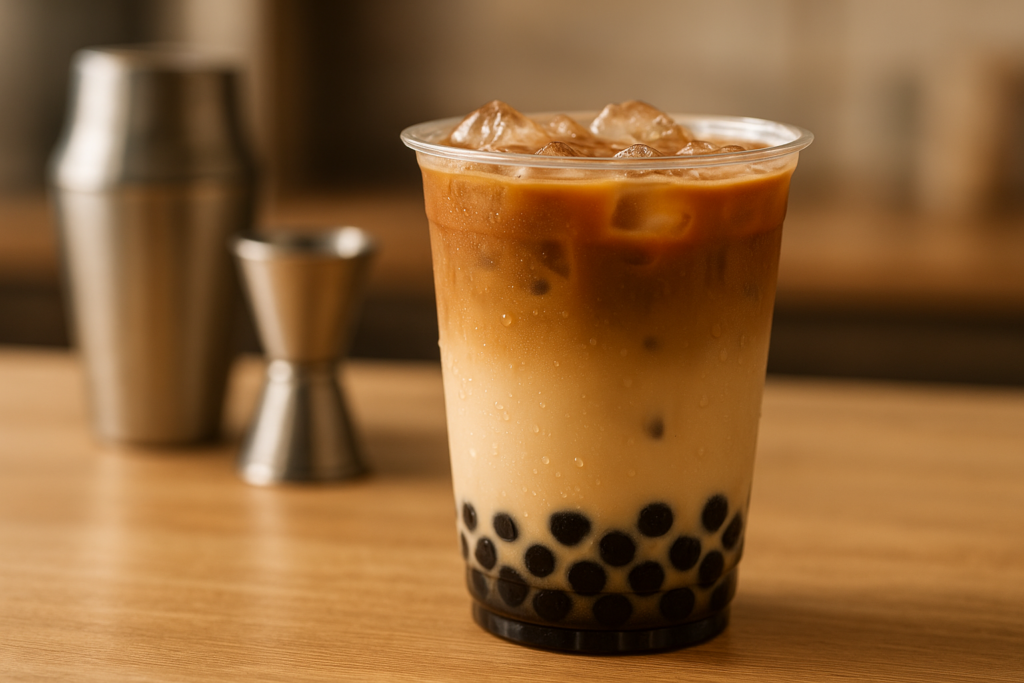
Coffee milk‑tea has two common formats found across global bubble‑tea menus:
1. Tea‑forward coffee milk‑tea: A base of high‑quality brewed black tea, oolong tea, or jasmine green tea blended with concentrated coffee (espresso, cold‑brew, or strong drip coffee), milk, and sweetener. Tea remains the primary liquid foundation; coffee adds a roasted, bitter‑sweet secondary layer and extra caffeine.
2. Coffee‑dominant milk‑tea: Coffee acts as the main base, with a smaller portion of tea liquor added to round out harsh coffee acidity. Milk and sweetener balance the roast notes, and bubble‑tea toppings like boba, coffee jelly, or coconut jelly complete the drink.
This distinction matters for shop operators. If your target customers are long‑time bubble‑tea drinkers, the tea‑forward coffee milk‑tea variant will feel familiar and approachable. If you operate inside a coffee‑heavy neighborhood with many specialty‑café regulars, lean toward coffee‑dominant formulations to match local taste expectations. Coffee milk‑tea differs from a standard coffee boba drink: coffee boba usually omits tea entirely, mixing coffee directly with milk and toppings, while coffee milk‑tea always integrates tea as a core ingredient in the recipe.
Caffeine profiles also set coffee milk‑tea apart from regular bubble‑tea milk‑tea. Traditional milk‑tea draws caffeine exclusively from tea leaves. Coffee milk‑tea combines caffeine from both tea and coffee, creating a stronger energy boost that appeals to students, office workers, and consumers seeking more potent caffeinated beverages. This dual‑caffeine benefit is a powerful selling point for morning and mid‑afternoon day‑part sales, helping bubble‑tea shops drive traffic beyond traditional evening peak hours.
Market Trends: Why Coffee Milk Tea Is Booming for Bubble‑Tea Businesses
Global bubble‑tea and milk‑tea markets keep expanding, with the worldwide bubble‑tea industry projected to exceed $6.8 billion by 2030, according to industry analysis, with steady growth across North America, Europe, and the Asia‑Pacific region. Within this expanding market, coffee‑tea hybrid beverages are one of the fastest‑growing sub‑segments, for four key commercial reasons.
First, demographic overlap is growing. Young consumers aged 18‑35, the core audience for bubble‑tea, are also heavy consumers of specialty coffee. Many customers want to order one drink that delivers the creamy satisfaction of milk‑tea plus the roasted complexity of coffee, instead of buying separate coffee and bubble‑tea orders. For shop owners, this hybrid demand means you can capture sales from both coffee‑oriented visitors and bubble‑tea lovers without building two completely separate beverage workflows.
Second, coffee milk‑tea supports day‑part expansion. Historically, most bubble‑tea shops generated most revenue in late afternoons, evenings, and weekends. Coffee‑infused milk‑tea products perform well for morning commuter traffic and lunch‑time breaks, helping stores increase sales during previously slow morning hours. Cafés, on the flip side, can use coffee milk‑tea to attract bubble‑tea‑curious customers who would normally walk past coffee‑only menus.
Third, high gross margins make the drink financially attractive. Similar to standard bubble‑tea milk‑tea, well‑sourced coffee milk‑tea has low ingredient costs per serving, while retail selling prices sit at a premium. Ingredient expenses for tea, coffee concentrate, milk, sweetener, and toppings are typically low, allowing gross margins comparable to or exceeding traditional coffee drinks, when operators source tea bases and raw materials via reliable wholesale suppliers.
Fourth, menu innovation pressure pushes retailers toward hybrid products. Competition among bubble‑tea chains and independent stores is intense across most markets. Releasing limited‑time and permanent hybrid drinks like coffee milk‑tea helps shops stand out on social media, generate customer curiosity, and encourage repeat visits for new flavor experiences.
However, many retailers struggle with inconsistent quality when building coffee milk‑tea menus. Poor‑quality tea bases, misbalanced coffee‑to‑tea ratios, or incompatible topping choices result in bitter, watery, or flat‑tasting drinks that fail to gain traction. This is where wholesale ingredient quality becomes make‑or‑break. Sourcing consistent, beverage‑grade loose‑leaf tea made for bubble‑tea applications is essential for stable drink quality across hundreds of daily servings. Browse our wholesale bubble‑tea‑grade tea portfolio here: [bubbleteasuppliers.com/bubble‑tea/](https://bubbleteasuppliers.com/bubble%E2%80%91tea/) to explore black‑tea, oolong‑tea, green‑tea, and matcha options built for milk‑tea and hybrid coffee‑tea drink development.
Tea‑Base Pairing: Which Bubble‑Tea Teas Work Best for Coffee Milk Tea
The quality of coffee milk‑tea heavily depends on selecting compatible tea bases. Not every bubble‑tea tea pairs well with coffee’s roasted, bitter‑acidic profile. When choosing teas for coffee milk‑tea formulations, prioritize teas with enough body to hold up against coffee without disappearing, while avoiding overly delicate floral teas that get overpowered by strong roast notes. Our wholesale catalog includes multiple beverage‑grade tea varieties ideal for coffee‑milk‑tea recipes, as outlined below.
Black Tea Bases (Most Popular for Coffee Milk Tea)
Black teas are the most natural fit for coffee milk‑tea, as malted, full‑bodied black‑tea flavors harmonize smoothly with coffee roast notes.
– Assam CTC Black Tea**: Classic milk‑tea workhorse, offering malty richness and bold body. It stands up perfectly to espresso or cold‑brew coffee. Assam‑based coffee milk‑tea creates a balanced, round drink where tea and coffee contribute equally to flavor. It is widely used by bubble‑tea chains globally for milk‑tea applications.
– Ceylon Black Tea**: Delivers brighter, cleaner, slightly brisk character compared to Assam. It pairs beautifully with lighter cold‑brew coffee, producing a more refreshing, less heavy coffee milk‑tea ideal for summer iced menus.
– Mi Xiang Black Tea (Honey‑Aroma Black Tea)**: Honey‑sweet black‑tea notes add a caramel‑like sweetness that softens dark‑roast coffee bitterness. This reduces required added sugar and gives coffee milk‑tea a layered, approachable sweetness that appeals to customers who dislike overly bitter coffee.
– Classic Roasted Black Tea (Medium‑Roast)**: Medium‑roasted black‑tea carries subtle toastiness that mirrors coffee’s roasted character. Blending medium‑roasted black‑tea with coffee creates deep, warm, cozy coffee milk‑tea excellent for hot‑drink winter menus.
Oolong Tea Bases (For Unique, Premium‑Tasting Coffee Milk‑tea Variants)
Oolong‑tea‑based coffee milk‑tea is less common but excellent for premium‑priced menu items that set your shop apart. Choose medium‑roasted or heavily roasted oolongs; light floral oolongs tend to clash with coffee.
– Strong Da Hong Pao (Heavy‑Roasted Da Hong Pao Oolong)**: Rich, smoky, roasted‑stone‑fruit notes complement dark‑roast coffee spectacularly. Da Hong Pao + coffee milk‑tea creates a luxurious, complex premium drink perfect for limited‑time offers and higher‑price‑point menu positions.
– Dark‑Roasted Oolong Tea**: Deep toasty oolong balances cold‑brew coffee, bringing earthy depth. It works wonderfully with oat‑milk‑based coffee milk‑tea for plant‑based menu options.
– Four‑Season Oolong (medium‑roast version)**: Offers medium body with subtle creamy notes. Mix it with light cold‑brew coffee for a milder oolong‑coffee milk‑tea for customers new to hybrid coffee‑tea drinks.
Green Tea & Matcha (Specialty‑Style Coffee Milk‑tea)
Green‑tea coffee milk‑tea is niche but high‑impact for specialty menus. Use caution: unroasted green‑tea grassy notes can clash with dark‑roast coffee. Stick to matcha or roasted green‑tea, and pair exclusively with light cold‑brew coffee, avoiding bold espresso.
– **High‑Grade Culinary Matcha**: Matcha‑coffee milk‑tea (sometimes called coffee‑matcha milk‑tea) combines umami matcha with gentle cold‑brew coffee. This trendy hybrid sells well as a premium seasonal menu item. It requires high‑quality culinary‑grade matcha powder; low‑grade matcha creates bitter, muddy finished drinks.
> Pro‑tip for retailers: Avoid very light floral teas (such as jasmine snow‑bud green‑tea or delicate white‑peach oolong) for coffee milk‑tea core recipes. Their bright fruity and floral aromas get completely masked by coffee roast, wasting your high‑cost tea ingredients and confusing customer flavor expectations. You can reserve those floral teas for fruit‑forward bubble‑tea drinks without coffee.
Practical Coffee Milk‑tea Recipes for Bubble‑tea Shops
Below are two scalable shop‑ready recipes, optimized for high‑volume bubble‑tea store operations. Both recipes use wholesale loose‑leaf bubble‑tea‑grade tea from our product lineup, designed for batch brewing instead of home‑style small‑cup preparation.
Recipe 1: Assam‑Coffee Milk Tea (Tea‑Forward, Best‑Seller)
Target cup size: 500 ml (standard bubble‑tea iced serving)
1. Brew Assam black‑tea base: 40 g loose‑leaf Assam black‑tea steeped in 1 L hot water (95 °C), steep 8 minutes, strain to produce concentrated tea liquor.
2. Prepare cold‑brew coffee concentrate (preferred over espresso for iced drinks): steep coarse‑ground coffee in cold water 12‑14 hours, filter.
3. Cup build: 30 ml cold‑brew coffee concentrate + 120 ml Assam black‑tea liquor + 150 ml whole milk or oat milk + 25‑40 ml fructose syrup (adjust sweetness level for customer customization).
4. Fill cup with ice, shake or stir well.
5. Add 25‑35 g cooked tapioca pearls (avoid over‑portioning boba; too many pearls dilute coffee‑tea flavor). Seal and serve with wide boba straw.
Recipe 2: Roasted Da Hong Pao Coffee Milk Tea (Premium Limited‑Time Drink)
Target cup size: 500 ml
1. Brew concentrated Da Hong Pao oolong‑tea base: 45 g loose‑leaf Da Hong Pao oolong in 1 L boiling water, steep 7 minutes, strain.
2. Use dark‑roast espresso (1‑2 shots per cup).
3. Cup build: 40 ml espresso + 130 ml Da Hong Pao tea liquor + 140 ml milk + 20‑35 ml brown‑sugar syrup.
4. Add ice, shake. Top with coffee jelly instead of tapioca pearls for a luxury textural experience.
> Operational note: If your shop does not own an espresso machine, cold‑brew coffee concentrate is far easier for high‑volume bubble‑tea‑shop workflows. You can batch‑prepare cold‑brew once per day and store it refrigerated, cutting down order‑to‑serve time during rush hours. Never pre‑mix full coffee‑milk‑tea batches and store for multiple days; coffee oxidizes quickly, creating stale, bitter flavors. Prepare base components separately and assemble drinks to‑order or make same‑day small‑batch mixed bases only.
Topping & Milk Selection for Coffee Milk Tea
Choosing compatible toppings and milk alternatives is critical. Some popular bubble‑tea toppings perform poorly in coffee‑containing beverages.
Recommended toppings for coffee milk‑tea**:
1. Coffee jelly: The number‑one pairing. Coffee jelly amplifies coffee notes without overwhelming tea layers. It elevates perceived drink value for premium pricing.
2. Classic tapioca pearls: Works perfectly for standard‑menu coffee milk‑tea. Cook pearls in brown‑sugar syrup to add subtle caramel sweetness matching coffee roast flavors. Remember portion control: 25‑35 g for 500 ml cup, do not overfill.
3. Coconut jelly: Mild, creamy, neutral sweetness balances bitter dark‑roast coffee.
Toppings to avoid for coffee milk‑tea**:
Strong fruit‑flavored popping boba (lychee, mango, strawberry). Bright artificial fruit flavors clash with roasted coffee and tea, creating muddled, unpleasant flavor combinations. Save fruit popping boba for fruit‑tea bubble‑tea drinks.
Milk and plant‑based creamer choices**:
– Whole dairy milk: Best overall, delivers rich mouthfeel that unites coffee and tea flavors.
– Oat milk: Top plant‑based pick, creamy texture with neutral‑sweet grain notes that complement coffee‑tea.
– Avoid skim milk: Creates thin, watery‑tasting coffee milk‑tea.
– Be cautious with almond milk: High acidity in espresso‑based coffee can trigger curdling. Always test almond‑milk + coffee combinations in your shop environment before launching to customers.
## Operational Challenges Retailers Face With Coffee Milk Tea & How To Solve Them
Even with good recipes, shop operators run into repeatable operational issues when adding coffee milk‑tea onto menus. Here are common pain points and actionable fixes:
1. Problem: Drink tastes bitter and unbalanced.**
Root causes: Over‑steeped tea base, over‑extracted coffee, poor‑quality tea leaves.
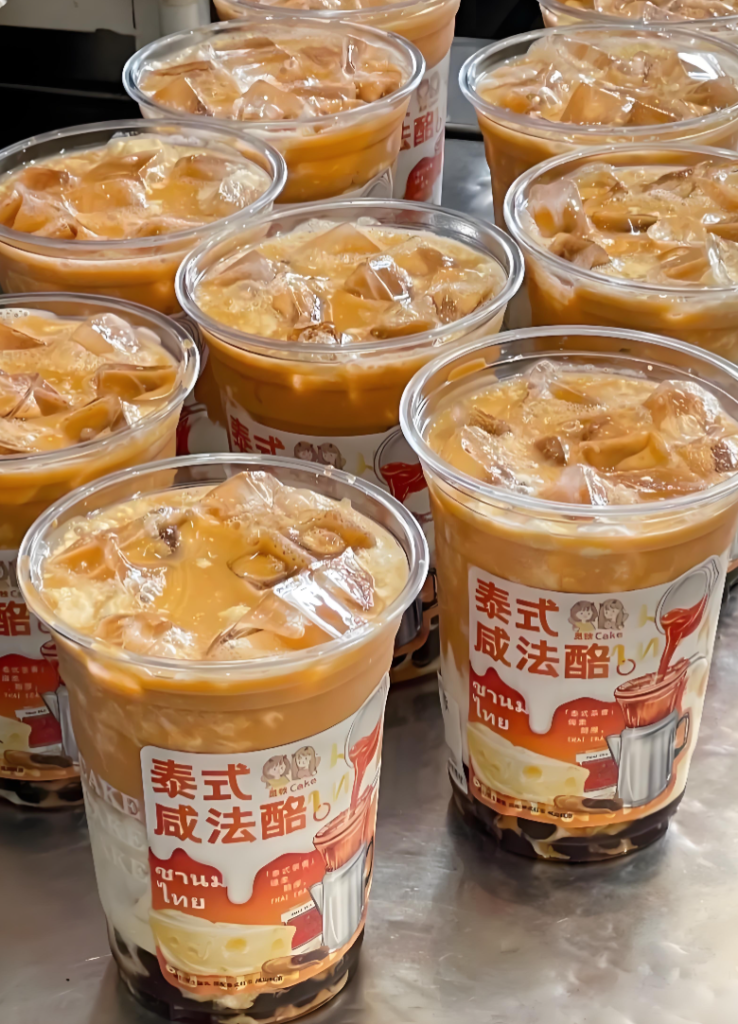
Solution: Follow standardized SOP brewing times for tea; use beverage‑grade bubble‑tea‑purpose loose‑leaf tea. Retail‑consumer‑grade grocery‑store tea often lacks sufficient body for high‑strength milk‑tea applications. Work from fixed‑ratio recipes and offer three sweetness‑level options (less sugar, regular, extra‑sweet) for customer customization.
2. Problem: Long order wait‑times during peak hours.**
Solution: Batch‑brew tea liquor and cold‑brew coffee concentrate in advance. Assemble drinks from pre‑made concentrates rather than brewing tea or coffee per individual customer order. Our supplier package for each tea includes downloadable SOP guides and brewing videos to standardize your in‑shop workflows.
3. Problem: Plant‑based versions taste flat or curdle.**
Solution: Prioritize oat milk for vegan coffee milk‑tea. Test every plant‑milk‑and‑coffee‑tea combination before menu launch. Keep detailed notes for your baristas.
4. Problem: High ingredient waste due to low sales of new hybrid drinks.**
Solution: Launch coffee milk‑tea as a limited‑time offering first. Promote it via in‑store signage and social‑media. Gather customer feedback, track sales volume, before making it a permanent menu staple. Start with one core variant (Assam coffee milk‑tea) rather than launching 4‑5 new hybrid drinks all at once.
Wholesale‑Sourcing Advice for Coffee Milk‑tea Success
For bubble‑tea business owners, ingredient sourcing directly determines drink consistency, food‑safety compliance, and your profit margin. When buying tea bases for coffee milk‑tea, focus on four supplier qualifications:
1. Tea designed for beverage use**: Household drinking tea is not formulated for repeated hot‑water high‑concentration steeping required for bubble‑tea. Beverage‑grade loose‑leaf tea for bubble‑tea has been selected and processed for heavy extraction, delivering stable flavor batch‑after‑batch, cup‑after‑cup. Our catalog provides bubble‑tea‑oriented black teas, oolongs, green teas and matcha powder for hybrid coffee‑milk‑tea creation. Explore our full range: [https://bubbleteasuppliers.com/bubble‑tea/](https://bubbleteasuppliers.com/bubble%E2%80%91tea/)
2. Clear SOP support**: Your wholesale supplier should provide brewing‑standard operating procedures, recipe suggestions, and training resources for your barista staff. Every tea product listed on our website links to downloadable SOP documents and demonstration videos, helping your team maintain consistent drink quality even with high staff turnover, a common challenge in the foodservice industry.
3. Food‑safety certification for export**: If you import ingredients for your shop, verify HALAL, HACCP, and other international food‑safety compliance documentation. This removes risk for your retail operation and simplifies customs clearance for bulk shipments.
4. Flexible minimum‑order quantities (MOQs)**: When testing new menu concepts like coffee milk‑tea, you do not want to commit to huge bulk orders of new tea before confirming customer demand. Choose suppliers offering reasonable MOQs so you can test multiple tea bases without excessive inventory risk.
When building your coffee‑milk‑tea product line, start by purchasing small wholesale test lots of Assam black‑tea, Mi Xiang honey‑aroma black‑tea, and roasted Da Hong Pao oolong. Test each in‑house with your coffee and milk options, pick your best‑performing 1‑2 recipes, then scale up your order volumes once you validate customer reception.
Marketing Coffee Milk Tea In‑Store and Online
Great recipes will not drive sales without targeted marketing. Try these low‑cost tactics for promoting coffee milk‑tea in your bubble‑tea shop or café:
1. Highlight dual‑caffeine selling points**: Use menu copy such as “Coffee Milk Tea — Dual energy boost of tea + coffee”. This targets commuters, students, and customers seeking strong caffeinated drinks for morning and midday.
2. Visual social‑media content**: Photograph layered iced coffee‑milk‑tea drinks with coffee‑jelly or boba toppings. Layered drinks perform very well on Instagram, TikTok and Facebook. Show both the finished cup and short clips of drink assembly.
3. Strategic day‑part promotion**: Run small morning‑time promotions for coffee milk‑tea to capture commuter traffic, turning slow opening hours into revenue‑generating periods.
4. Customer education on menu boards**: Add short descriptors so guests understand what coffee milk‑tea is. Many consumers have never tried tea‑coffee hybrid beverages, so avoid vague menu names with zero explanation. Example: “Assam Coffee Milk Tea — Rich Assam black‑tea blended with cold‑brew coffee, milk and boba”.
Coffee milk‑tea represents a powerful menu opportunity for bubble‑tea retailers, café operators, and wholesale beverage buyers globally. By combining tea‑based milk‑tea traditions with coffee’s roasted flavor profile, this hybrid drink expands your potential customer pool, improves sales across morning and midday