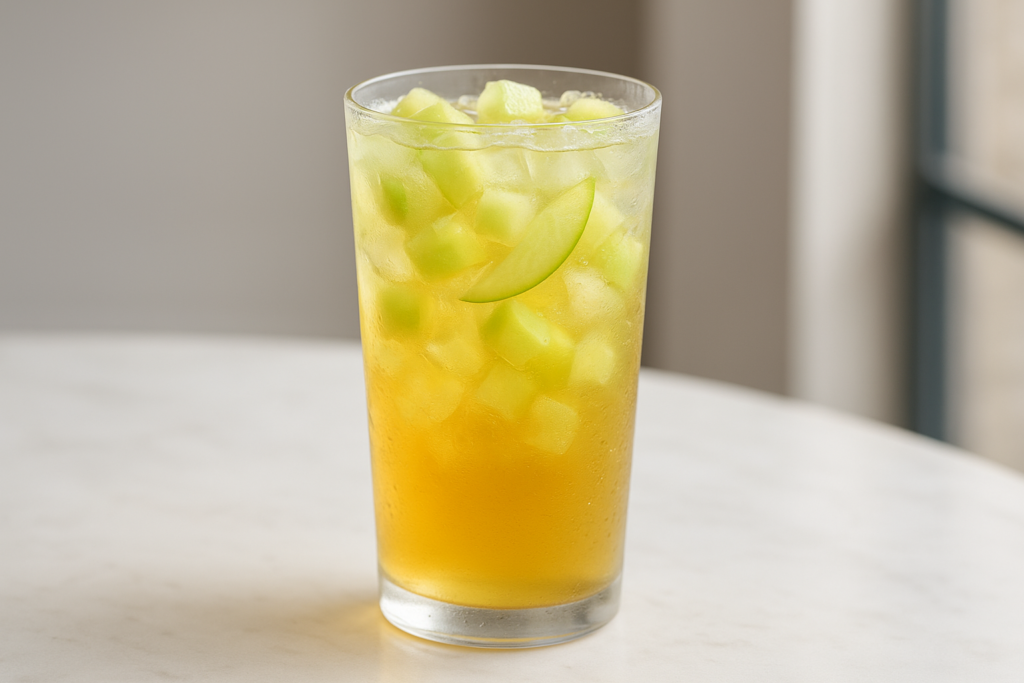
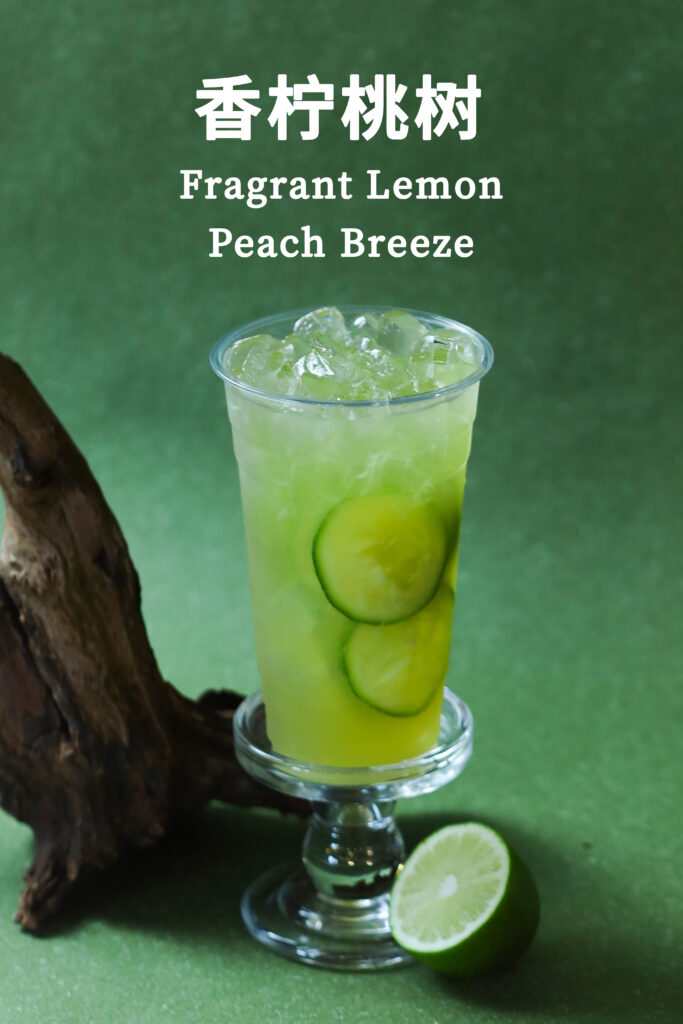
The global bubble‑tea beverage landscape continues shifting toward light, fruit‑forward, low‑to‑medium‑sugar drinks, as modern consumers move away from heavy, creamy milk‑tea staples toward bright, refreshing fruit‑infused teas. Market data shows fruit‑flavoured bubble tea holds roughly 38.5% of total bubble‑tea market share worldwide, with projected year‑on‑year growth above 8.5% through the early 2030s. Among fast‑rising menu concepts, multi‑fruit blended iced teas stand out: they are visually Instagram‑friendly, highly customisable across seasons, and perform strongly in warm weather while still adapting for winter warm‑serve versions.
Green Grape Peach Lemon Tea is one such signature concept, combining juicy green grape sweetness, soft ripe peach aroma, and bright zesty lemon acidity into one balanced cup. Far more than a single drink recipe, this beverage framework can be reimagined across full‑menu lines: standard fruit bubble tea, cheese‑foam topped drinks, sparkling mocktail variants, ready‑to‑serve bottled beverages, and limited‑edition seasonal specials for bubble‑tea shops, cafes, convenience stores and beverage brands.
For wholesale importers and bulk buyers, understanding how to deploy this multi‑fruit tea concept helps maximise return on inventory, leverage existing tea‑base stock, and help retail clients differentiate their menus from competitors selling generic single‑flavour fruit teas. This article will break down flavour chemistry, ideal tea base selections, practical shop‑floor implementation, multiple menu variations, common operational pitfalls, marketing strategies, and sourcing guidance for bulk‑order tea ingredients. To learn more about the fundamentals of lemon‑based bubble‑tea crafting, please review our dedicated knowledge resource: A Complete Guide to Lemon Tea for Bubble Tea Operators. For our complete portfolio of loose‑leaf bubble‑tea raw materials including oolong, black tea, jasmine green tea and flavoured fruit‑infused teas, visit our official website: https://bubbleteasuppliers.com/bubble-tea/.
Market Context: Why Multi‑Fruit Iced Teas Win in 2026 Global Beverage Retail
Young consumers aged 16‑30 make up the core customer base for bubble‑tea businesses globally, and nearly two‑thirds of this demographic actively choose fruit teas over milk‑based bubble‑tea offerings when seeking lighter refreshment. Three major consumer trends are fuelling demand for complex multi‑fruit blends like Green Grape Peach Lemon Tea.
First, consumers crave layered flavour instead of one‑note sweetness. Basic single‑flavour peach tea or plain lemon tea remains popular, but many customers actively seek new taste experiences where sweet, aromatic and sour notes interact. Green grape brings subtle muscat‑like sweetness without cloying heaviness; peach delivers soft, round stone‑fruit aroma; lemon provides sharp citrus brightness to cut through fruit sweetness and lift the entire profile. This balance avoids the common pitfall of overly sugary fruit drinks that taste flat after the first sip.
Second, flexibility around sugar levels is non‑negotiable. Over 40% of health‑focused bubble‑tea customers actively request reduced‑sugar, less‑sweet or zero‑sugar modifications. Multi‑fruit blends perform exceptionally well here. Even at 30% or 0% sugar setting, natural fruit notes from grape, peach and lemon maintain drink complexity, so the beverage does not taste watery or flavour‑depleted, unlike many artificially flavoured drinks that fall apart without high added sugar.
Third, visual social‑media appeal drives foot traffic. Clear plastic cups showcase the pale yellow‑green hue of Green Grape Peach Lemon Tea. Operators can garnish with fresh lemon slices, dried peach pieces or grape popping boba for photogenic presentation. Beverages that photograph well generate organic social‑media content shared by customers themselves, lowering marketing costs for small bubble‑tea store owners.
For B2B wholesale tea suppliers, this creates a major commercial opportunity. Instead of only selling standalone fruit syrup or single‑flavoured tea SKUs, suppliers can present complete concept solutions to retail clients. Wholesale partners can recommend this drink idea to their bubble‑tea shop buyers, helping their customers refresh menus without requiring entirely new inventory lines. Most components for Green Grape Peach Lemon Tea can draw from existing stock of oolong, jasmine green tea, fruit syrups and popping‑boba toppings.
Flavour Breakdown of Green Grape Peach Lemon Tea
To craft a commercially successful Green Grape Peach Lemon Tea, it helps to deconstruct each core flavour component and understand how they interact with tea bases.
Green Grape: Green grape contributes light, floral‑muscat sweetness. Unlike dark red grape, it carries minimal tartness. It brings round, juicy depth that softens sharp citrus notes of lemon. Over‑dosing grape will make the drink heavy and jam‑like, overpowering peach and lemon. In commercial settings, operators use green‑grape fruit concentrate or high‑quality fruit‑flavoured syrup; premium outlets may supplement with fresh green grape pieces as garnish.
Peach: Peach adds warm, soft stone‑fruit aroma. White‑peach flavour profiles work better for this blend than yellow peach; white peach carries cleaner, lighter floral notes that pair smoothly with green grape and lemon. Peach acts as the flavour bridge between grape sweetness and lemon acidity. Too much peach will cover the bright citrus finish, making the drink taste flat and candied. Our White Peach Oolong Tea (Fujian origin, oolong blended with dried‑peach, dried‑apple and food‑grade flavour) is a ready‑to‑brew loose‑leaf option ideal for building this drink’s foundation, reducing syrup dependency for shops aiming for premium positioning.
Lemon: Lemon delivers essential acidic lift. Citrus cuts fruit sweetness, prevents cloying mouthfeel, and makes the whole beverage feel refreshing. Balancing lemon is the biggest operational challenge for shop staff. Excess lemon juice creates overly sour drinks that mask tea aroma; insufficient lemon results in a sweet‑but‑dull beverage. Fresh‑squeezed lemon juice is preferred for premium stores, while stable lemon concentrate works for high‑volume locations for consistency and waste control. More details on managing lemon acidity, tea‑base pairing and avoiding tannin‑acid bitterness are available in our lemon‑tea knowledge article: A Complete Guide to Lemon Tea for Bubble Tea Operators.
When properly balanced: green grape forms the base sweetness, peach adds aromatic middle layers, and lemon delivers bright finishing zing. The tea base sits underneath all fruit notes, adding body and depth rather than competing with fruit flavours.
Best Tea Base Selections for Green Grape Peach Lemon Tea
No single perfect tea base exists; selection depends on brand positioning, target customer and operational workflow. Drawing on our tea catalogue originating from Fujian, Guangdong and Guangxi provinces in China, we outline four optimal tea‑base options for wholesale and retail clients.
Option 1: White Peach Oolong Tea (Top Premium Recommendation)
This fruit‑infused oolong already contains natural dried peach pieces. Using White Peach Oolong as the brewing base amplifies peach aroma without over‑relying on peach syrup. Oolong’s partial oxidation creates a silky, medium‑body cup, floral and slightly honeyed, which complements green grape beautifully. It holds up well to lemon acidity without turning bitter. This base is ideal for premium bubble‑tea shops charging a slight price premium for “real‑tea” positioning. Wholesale buyers can stock this loose‑leaf tea to offer retail customers a ready‑made foundation for multi‑fruit drinks.
Option 2: Four Season Oolong Tea (Workhorse All‑Rounder)
Ingredients: Oolong Tea | Origin: Fujian, China
Four Season Oolong is a staple bubble‑tea oolong: light floral, smooth, mild, not heavily roasted. It stays neutral enough to let grape‑peach‑lemon fruit notes shine forward while delivering distinct tea character. It is very forgiving for new baristas, less prone to over‑brewing bitterness, and works for both hot‑brew and cold‑brew workflows. This is excellent for high‑volume stores; it is versatile and can also be repurposed for many other fruit‑tea menu items, lowering inventory risk for shop owners and wholesale buyers.
Option 3: Jasmine Green Tea (For Lighter, Floral‑Forward Profile)
Ingredients: pure jasmine‑scented green tea | Origin: Guangxi, China
Jasmine Green Tea brings bright floral jasmine notes. This creates a more delicate version of Green Grape Peach Lemon Tea. Best suited for customers who prefer lighter‑bodied drinks. Operators must exercise caution: green tea polyphenols can turn bitter when combined with excessive lemon acid or overly‑hot brewing temperatures. Baristas need to follow controlled brewing parameters for this base. It performs best as an iced drink; hot serving increases risk of astringency.
Option 4: Mi Xiang Black Tea (For Richer, Deeper Variation)
Ingredients: Black tea | Origin: Fujian, China
Mi Xiang Black Tea offers honey‑sweet malty black‑tea character. Swapping oolong/green tea for this black‑tea base creates a winter‑friendly, warm‑serve Green Grape Peach Lemon Tea. Black‑tea robustness stands up to citrus and fruit sweetness for customers who want more depth. Note: black‑tea versions taste less summery and bright; best marketed as autumn‑winter limited variant.
Wholesale insight for buyers: All four tea bases above are available in bulk from our catalogue. Stocking these four core teas allows your retail customers to execute Green Grape Peach Lemon Tea in multiple stylistic versions, alongside dozens of other fruit‑tea drinks, maximising SKU utility. Explore our full tea range: https://bubbleteasuppliers.com/bubble-tea/.
Multiple Commercial Applications of Green Grape Peach Lemon Tea Concept
The biggest business strength of Green Grape Peach Lemon Tea is its adaptability. It is not limited to one standard 16oz iced bubble‑tea cup. Below are six proven commercial formats for bubble‑tea shops, cafes and beverage brands. Wholesale suppliers can share these use‑case ideas with retail clients to drive larger‑volume tea and topping orders.
1. Core Menu: Standard Iced Green Grape Peach Lemon Fruit Tea (with optional toppings)
This is the flagship menu item. Using brewed tea base, green‑grape syrup/concentrate, peach syrup or brewed white‑peach oolong, lemon juice, sweetener, ice. Operators can add toppings: green‑grape popping boba, lychee jelly, aloe vera or peach jelly. Classic tapioca pearls are less ideal, as their starchy flavour can conflict with bright fruit notes.
Target cup size: 16oz / 500ml standard, 20oz large size
Best‑fit tea bases: White Peach Oolong, Four Season Oolong
Sugar customisation: 0%, 30%, 50%, 70%, 100% sugar levels for full customer customisation
2. Cheese Foam Top Version (Premium Upsell Variant)
Add salty‑sweet cheese foam on top of Green Grape Peach Lemon Tea. The rich creamy foam contrasts beautifully against bright sour‑sweet fruit tea. This becomes a higher‑margin premium drink that can command a 0.5‑1.5 USD price uplift. It performs very well for social‑media photos. Important operational note: serve without shaking; keep foam layered on top. Recommended tea bases: oolong varieties, as green tea can clash with cheese‑foam creaminess.
3. Sparkling Mocktail‑Style Version (Café & Weekend Special)
Replace a portion of plain water with sparkling water or soda water. Create a bubbly non‑alcoholic mocktail. Garnish with fresh grape and lemon wheel. This variant works well for café environments, weekend promotions and summer limited menus. It targets customers who want bubble‑tea‑adjacent drinks but avoid heavy sugar and chewy toppings.
4. Hot‑Serve Adaptation for Autumn & Winter Menus
Most fruit teas disappear from menus in cold seasons, but this blend can adapt for hot service. Switch tea base to Mi Xiang Black Tea or medium‑roasted oolong. Reduce lemon quantity slightly, as heat amplifies citrus sourness. Serve hot without ice. Market it as “Warm Spiced Grape Peach Lemon Tea”; optionally add a hint of osmanthus aroma using our Osmanthus Oolong Tea raw material. This lets shops keep the flavour concept selling year‑round rather than only summer‑only seasonal.
5. Bottled Ready‑to‑Drink (RTD) Concept for Retail & Convenience Channels
For beverage brands and large‑scale buyers: formulate Green Grape Peach Lemon Tea as shelf‑stable bottled RTD product. This requires food‑grade fruit concentrates, selected tea extracts, stabilisers and controlled acidity balancing. Wholesale tea suppliers can supply bulk‑brewed tea extract or loose‑leaf tea for RTD manufacturers. RTD format expands reach beyond physical bubble‑tea shop counters into supermarkets, convenience stores and food‑service kiosks.
Retail bubble‑tea shops can run this blend as a limited‑time offering for summer holidays, festival promotions or summer launch campaigns. Limited‑edition labelling creates urgency and encourages trial purchases. Wholesale partners can support their retail customers with sample tea packs and suggested marketing copy for social‑media posts.
Operational Best Practices for Bubble‑Tea Shop Operators
Even excellent flavour concept can fail in stores without solid operational procedures. Below we outline key practical guidance for shop owners, which wholesale suppliers can pass on to their B2B clients.
Balance lemon acidity correctly
Lemon is the highest‑risk variable. Fresh lemon juice varies in sourness between batches. Baristas need standard measuring tools instead of “squeezing by eye”. Too much lemon creates sharp sourness that brings out unpleasant bitter tannins from tea. Too little lemon yields flat, overly‑sweet fruit drink. For deep dive into lemon‑tea operational management, read our guide: A Complete Guide to Lemon Tea for Bubble Tea Operators.
Brewing standards for tea bases
Oolong bases (Four Season Oolong, White Peach Oolong): brew at 88‑92°C; avoid boiling water, which extracts excess bitter tannins.
Jasmine Green Tea: brew at lower temperature (75‑80°C), shorter steep time, to prevent astringency.
Black‑tea base (Mi Xiang Black Tea): 90‑95°C brewing temperature, controlled steep time.
Consistent brewing is critical for chain stores and multi‑location operators. Wholesale suppliers should recommend clients use measured portioning for loose‑leaf tea rather than subjective scooping.
Syrup versus fresh‑fruit trade‑offs
Fresh fruits deliver premium flavour but create challenges: seasonal price swings, high labour cost, waste from spoilage, flavour inconsistency across different fruit harvests. Concentrated fruit syrups and fruit‑infused loose‑leaf teas deliver consistent flavour, predictable costs and minimal waste for high‑volume stores. Best practice for premium positioning: use quality brewed tea base + high‑grade fruit concentrates, add limited fresh fruit for garnish rather than relying entirely on fresh fruit for core flavour.
Topping pairing recommendations
✅ Recommended toppings: Green grape popping boba, peach popping boba, aloe vera jelly, lychee jelly, coconut jelly. These add complementary fruit juiciness. ❌ Less suitable: classic black tapioca pearls (starchy flavour competes with bright fruit profile), red bean, taro balls (heavy, dessert‑style toppings clash with light refreshment positioning).
Sugar‑level calibration
At zero‑sugar or low‑sugar settings, fruit syrup sweetness drops significantly. Shops must train staff to understand how fruit flavour intensity changes across sugar levels. At low sugar settings, slightly increase tea‑base dosage to maintain drink body.
Common Mistakes to Avoid
Over‑stacking fruit syrups: adding excessive grape + peach syrup results in jam‑like artificial candy taste, overpowering the underlying tea character. Always let brewed tea form the beverage foundation.
Over‑steeping green‑tea base for jasmine‑green‑tea variant, leading to bitter astringency amplified by lemon acid.
Using low‑quality tea raw materials: cheap tea creates harsh, bitter background notes that ruin even high‑quality fruit components. Investing in premium bulk loose‑leaf tea directly improves finished‑drink quality. Wholesale buyers should educate retail clients that fruit‑tea quality starts with tea‑base selection.
Ignoring garnish consistency: inconsistent garnishing impacts customer perception, even if liquid formula is correct. Standardise garnish for each cup.
Marketing & Merchandising Tips for Retail Stores
For bubble‑tea shop owners launching Green Grape Peach Lemon Tea, use these actionable marketing ideas:
Social‑media visual content: photograph drinks in clear cups with fresh lemon slices and grape garnish. Highlight “multi‑fruit refreshment”, “low‑sugar available” selling points on Instagram, TikTok and Facebook.
Menu copy suggestions:
“Green Grape Peach Lemon Tea | Bright multi‑fruit oolong‑infused iced tea. Juicy green grape meets soft ripe peach, finished with zesty fresh lemon. Available in custom sugar levels. Add grape popping boba for extra juicy bursts.”
Upsell strategy: offer bundle deals: drink + selected fruit topping small upsell. Promote cheese‑foam variant as premium upgrade.
Cross‑sell: market alongside light snacks, such as pastries, cookies, fruit desserts.
Wholesale tea suppliers can share sample marketing copy with their retail customers as value‑added service, helping clients succeed with this new drink concept.
Sourcing Tea Ingredients from Bubble Tea Suppliers
All tea bases mentioned in this article are available for bulk wholesale order through our platform. Our tea collection includes White Peach Oolong, Four Season Oolong, Jasmine Green Tea, Mi Xiang Black Tea, Osmanthus Oolong and many other oolong, black and green‑tea options sourced directly from growing regions of Fujian, Guangxi and Guangdong in China. Every batch undergoes quality checks suitable for global bubble‑tea business clients, supporting export for bubble‑tea shops, café chains and beverage manufacturers worldwide.
Wholesale buyers can mix‑and‑match bulk‑tea SKUs, build custom sample packs for testing new menu concepts like Green Grape Peach Lemon Tea before committing to large‑volume orders. Visit our product portal to view full specifications, origin details and bulk‑order information: https://bubbleteasuppliers.com/bubble-tea/.
Green Grape Peach Lemon Tea represents far more than one new drink addition to bubble‑tea menus. It is a flexible flavour platform responding to major global beverage trends: demand for multi‑layered fruit flavour, sugar‑level customisation, visual social‑media appeal and year‑round operational adaptability. It can be executed as standard iced fruit tea, cheese‑foam premium drink, sparkling mocktail, hot‑served seasonal offering, limited‑time promotion and even ready‑to‑drink bottled beverage.
For retail bubble‑tea shop owners, this concept offers opportunity to refresh menus, attract new customers and increase average order value with upsell variants. For wholesale tea suppliers, this drink framework creates value‑added selling stories: instead of only selling loose‑leaf tea by weight, you can deliver complete menu innovation ideas that help your retail clients compete in crowded local markets.
Success hinges on three core pillars: selecting high‑quality tea base, carefully balancing grape‑peach‑lemon flavour chemistry, and implementing consistent shop‑floor operating procedures. By leveraging premium bulk‑sourced teas and applying best‑practice formulation guidance, businesses can turn Green Grape Peach Lemon Tea into a reliable, high‑performing menu staple for many seasons ahead.