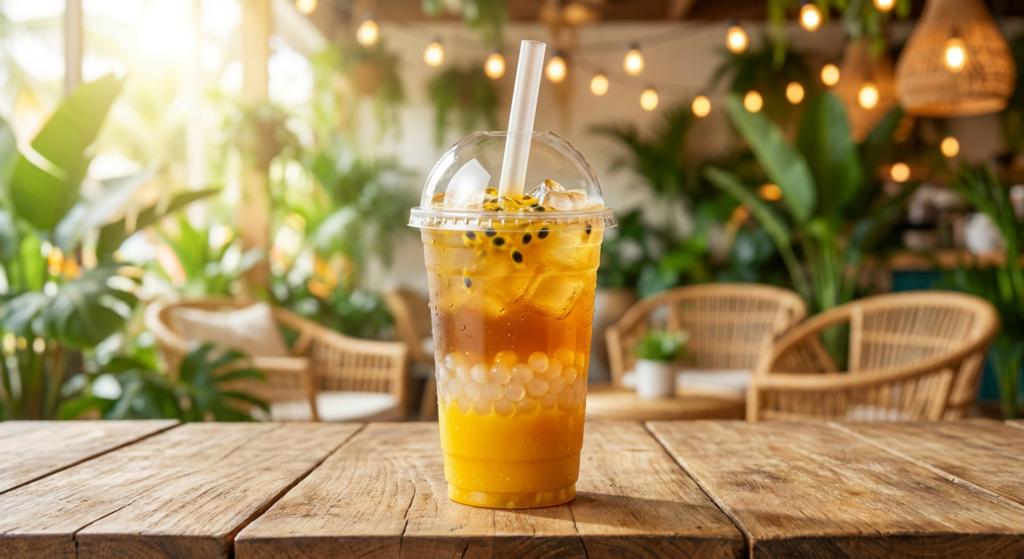
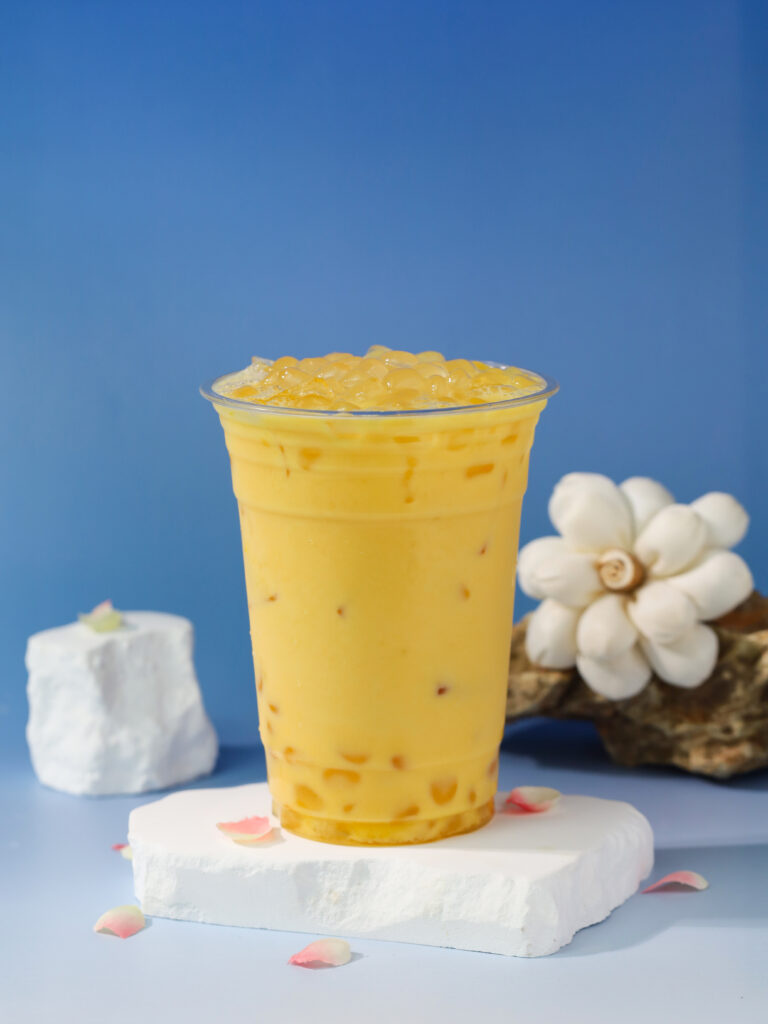
Tropical fruit refreshers represent one of the fastest-growing beverage categories in modern bubble tea shops. Among these offerings, the mango passion fruit drink consistently ranks among the top three highest-volume fruit tea SKUs across North American boba menus. The natural synergy between sweet, tropical mango and sharp, aromatic passion fruit creates an irresistible flavor profile that appeals to both traditional bubble tea enthusiasts and health-conscious beverage consumers.
However, moving a drink from a popular concept to a scalable menu item requires strict operational discipline. Many store operators struggle with inconsistent sweetness, fruit separation in iced cups, slow assembly times during peak rushes, and erosion of profit margins caused by unmeasured ingredient usage.
This Standard Operating Procedure (SOP) provides a complete commercial blueprint for brewing, assembling, costing, and scaling a high-margin Mango Passion Fruit Tea build for commercial beverage operations.
The Operational Case for Mango Passion Fruit Tea
Offering a balanced mango passion fruit green tea serves multiple strategic menu functions for a commercial boba store:
High Gross Profit Margins: Fruit teas typically achieve 80% to 85% gross margins, outperforming dairy-heavy milk teas because liquid tea bases and concentrated fruit prep carry lower unit costs per cup.
Year-Round Customer Appeal: While creamy milk teas experience seasonal volume fluctuations between summer and winter, vibrant iced fruit refreshers maintain steady year-round sales velocity.
Low Operational Complexity: When backed by a standardized pre-batched tea base and pump-dispensed fruit components, baristas can assemble a finished drink in under 40 seconds.
Visual Upsell Potential: The dual-color gradient—pairing deep golden mango puree at the bottom with bright amber passion fruit tea—drives social media visibility and organic word-of-mouth sales.
Key Takeaway: A well-formulated mango passion fruit fruit tea delivers an optimal balance of speed of service, high visual impact, and exceptional profit margins, making it an essential core SKU for any modern tea menu.
Jasmine Green Tea Base Batch Brewing SOP
The foundation of an exceptional fruit tea is its tea base. Black teas can overpower delicate tropical fruits, while unflavored green teas often lack the floral lift needed to cut through dense fruit purees. A lightly scented Four-Season or Pouchong Jasmine Green Tea provides the ideal aromatic backbone.
To prevent bitterness and clouding, baristas must follow strict brewing ratios and chilling thermodynamics.
Equipment & Ingredients Required
Loose-leaf Taiwanese Jasmine Green Tea
Commercial water boiler set to 175°F (80°C)
Insulated stainless steel tea urn
Fine-mesh tea filter bag
Stainless steel mixing bucket
Food-grade ice
Commercial Batch Brewing Ratio (3-Liter Yield)
Loose Leaf Tea: 80 grams
Hot Water (175°F / 80°C): 2,400 ml
Ice Cubes (for rapid chilling): 600 grams
Effective Brewing Ratio: 1:30 leaf-to-hot-water; 1:37 overall diluted ratio
Water Heating (175°F) → Leaf Infusion (6.5 min) → Filtration → Shock Chilling with Ice → Urn Storage (4°C)
Step-by-Step Brewing Execution
Water Temperature Calibration: Heat filtered water to exactly 175°F (80°C). Water hotter than 185°F extracts excess tannins, causing harsh bitterness that ruins fruit tea builds.
Infusion Timing: Measure 80g of loose-leaf tea into a filter bag, submerge in 2,400 ml of hot water, and cover. Steep for exactly 6 minutes and 30 seconds. Agitate the bag gently twice during steeping.
Filtration: Remove the tea bag without squeezing it tightly. Squeezing forces bitter polyphenols into the liquid concentrate.
Rapid Thermal Shock: Immediately stir 600g of ice directly into the hot tea concentrate. This rapid cooling process locks in delicate floral volatile aromatics and prevents the tea from clouding as it drops in temperature.
Storage: Transfer the chilled tea base into an insulated thermal urn or store in refrigerated pour bottles at 38°F–41°F (3°C–5°C). Use within 12 hours for peak flavor quality.
For stores scaling their beverage program, sourcing an aromatic four-season jasmine green tea base
engineered specifically for cold-tea extraction ensures consistent clarity and floral aroma shift after shift.
Ingredient Selection: Puree vs. Syrup vs. Real Fruit
Achieving the perfect mango passion fruit drink requires combining two distinct fruit formats rather than relying on a single flavor syrup.
Mango Component (Puree Jam): Pure mango syrup often tastes artificially flat. Using a high-density mango puree jam containing real fruit pulp adds physical weight, rich golden color, and a natural nectar mouthfeel.
Passion Fruit Component (Seeded Syrup): Passion fruit juice is naturally tart (pH ~3.0). Using a commercial passion fruit syrup with real seeds supplies the necessary acid kick to slice through the sweet mango pulp while providing a visual seed crunch that signals authentic fruit content to customers.
Pro Tip: Never rely solely on fruit syrups for both components. Pairing a heavy fruit puree with a bright fruit syrup produces a multi-layered taste profile that tastes authentic while remaining cost-effective and shelf-stable.
Standard Operating Spec Sheet (16 oz vs. 22 oz)
To maintain drink consistency across different shift workers, store management must enforce standardized gram and milliliter measurements rather than imprecise spoonfuls or eye-balled pours.
Below is the master commercial build spec for standard cold 16 oz (Medium) and 22 oz (Large) serving sizes.
Component
16 oz Spec (Medium / 475 ml)
22 oz Spec (Large / 650 ml)
Barista Tool / Container
Chilled Jasmine Green Tea
200 ml
280 ml
Measuring Pitcher / Dispenser
Mango Puree Jam
35 g (~1.2 oz)
50 g (~1.7 oz)
Squeeze Bottle or Jam Spoon
Passion Fruit Syrup (with seeds)
25 ml (1 pump = 15 ml)
35 ml (~2.3 pumps)
Standard Syrup Pump
Liquid Cane Sugar / Fructose
15 ml (0.5 pump)
25 ml (~0.8 pump)
Fructose Dispenser
Filtered Ice Cubes
180 g (fills shaker 2/3)
250 g (fills shaker 3/4)
Ice Scoop
Topping Portion (Optional)
50 g
70 g
Topping Slotted Spoon
Finished Target Brix
12.5° – 13.5° Brix
12.5° – 13.5° Brix
Optical Refractometer
Sweetness Adjustments (Fructose Chart for 22 oz Cup)
100% Regular Sweetness: 25 ml Fructose
70% Less Sweet: 18 ml Fructose
50% Half Sweet: 12 ml Fructose
30% Slightly Sweet: 8 ml Fructose
0% No Added Sugar: 0 ml Fructose (relies entirely on puree and syrup sweetness)
Step-by-Step Barista Assembly SOP
Standardizing assembly order speeds up drink preparation and maintains visual presentation standards.
Dispense Toppings: Place 50g (16 oz) or 70g (22 oz) of selected topping into the bottom of a clean clear PET cup.
Coat Cup Walls (Visual Marbling): Drizzle 15g of the measured mango puree jam along the inside walls of the cup to create a marbled visual effect.
Phase 2: Shaker Mixing
Combine Liquids: In a 700 ml cocktail shaker, combine the remaining mango puree, passion fruit syrup with seeds, liquid cane sugar, and chilled Jasmine Green Tea base.
Add Ice: Add 180g (16 oz) or 250g (22 oz) of ice cubes to the shaker.
Vigorous Hand or Machine Shake: Shake vigorously for 10 to 12 seconds (or 15 seconds on an automatic boba shaker machine). Shaking introduces micro-aeration, blending the dense puree with the light tea base while chilling the beverage to 34°F (1°C).
Phase 3: Pouring & Sealing
Pour: Pour the entire contents of the shaker (including ice) into the prepared cup over the toppings.
Quality Check: Verify the drink level sits exactly 0.5 inches below the rim.
Seal: Wipe the cup rim with a clean sanitizer towel if necessary, then place on the cup sealing machine or press on a dome lid. Insert a wide boba straw.
⚠️ Warning: Do not pour hot tea directly over fruit purees or syrups in the shaker. Hot liquids degrade fruit aromas, melt ice prematurely, dilute the drink, and cause rapid separation in the final cup.
Topping Pairing & Texture Engineering
Choosing the right topping transforms a simple iced tea into a high-value signature drink. Because fruit teas have a refreshing, acidic profile, toppings should complement rather than clash with the tropical citrus flavors.
+---------------------------------------------------------------------------------+| TOPPING SELECTION MATRIX |+---------------------------------------------------------------------------------+| TOPPING TYPE | TEXTURE PROFILE | FLAVOR & MATCH SCORE |+----------------------+------------------------+---------------------------------+| Crystal Boba (Agar) | Firm, crunchy, clean | ★★★★★ (Top Choice - Zero Cloud) || Coconut Jelly | Chewy, firm, tropical | ★★★★★ (Top Choice - Great Chew) || Popping Boba | Fruit juice burst | ★★★★☆ (High Fun Factor) || Tapioca Pearls | Soft, starchy chew | ★★★☆☆ (Classic, but adds starch) |+----------------------+------------------------+---------------------------------+
Top Commercial Topping Recommendations
Crystal Boba (Agar Boba): Translucent, firm, and chewable, low-calorie original crystal boba does not absorb liquid or release starch into the drink. This preserves the crystal-clear visual transparency of the fruit tea.
Coconut Jelly (Nata de Coco): Pre-cut rectangular chewy coconut jelly toppings absorb the passion fruit juice, providing a sweet and tangy burst of chew with every sip.
Mango or Passion Fruit Popping Boba: Liquid-filled popping pearls create an interactive mouthfeel as fruit juice bursts upon chewing.
Traditional Tapioca Pearls: While classic black boba remains popular, the starch coating can cloud light fruit teas over time. Recommend tapioca primarily for milk tea orders, guiding fruit tea customers toward crystal boba or coconut jelly.
Commercial COGS & Profitability Analysis
Managing Cost of Goods Sold (COGS) is essential for running a profitable boba store. Below is a detailed cost breakdown based on wholesale bulk ingredient pricing in the US market.
Itemized Ingredient Cost Model (US Market Benchmarks)
Ingredient / Packaging Component
16 oz Unit Cost ($)
22 oz Unit Cost ($)
Cost Assumptions & Bulk Sourcing
Jasmine Green Tea Base
$0.11
$0.16
$14.00 / 1kg bag loose leaf tea
Mango Puree Jam
$0.21
$0.30
$12.50 / 2.5kg commercial jar
Passion Fruit Syrup (w/ seeds)
$0.17
$0.24
$14.50 / 2.5kg commercial bottle
Liquid Cane Sugar / Fructose
$0.04
$0.06
$18.00 / 25kg drum fructose
Crystal Boba Topping (50g / 70g)
$0.18
$0.25
$12.00 / 2kg wholesale tub
PET Cup, Custom Sealer Film, Straw
$0.15
$0.17
High-clarity PET cup + PP sealer film
TOTAL UNIT COGS
$0.86
$1.18
Direct Raw Materials + Packaging
Suggested Retail Price (SRP)
$5.75
$6.75
US National Average Retail Price
GROSS PROFIT PER CUP ($)
$4.89
$5.57
Retail Price minus COGS
GROSS PROFIT MARGIN (%)
85.0%
82.5%
Target Margin Benchmark: >80%
Profit Margin Insights
High Margin Buffer: Operating at an 82%–85% gross margin leaves ample room to cover store labor, rent, utilities, and marketing overhead.
Upsell Value: Charging an additional $0.75 to $1.00 for premium toppings like Crystal Boba adds $0.50 to $0.75 of pure gross profit per cup, as topping raw material costs average under $0.25 per portion.
Speed-of-Service Batching & Station Ergonomics
During peak operational rushes, speed of service dictates customer throughput and hourly store revenue. A well-organized prep station enables baristas to assemble drinks quickly with minimal movement.
For stores serving more than 200 fruit teas daily, individual pouring during peak hours can slow down order fulfillment. Implementing a Pre-Batched Fruit Tea Base speeds up ticket times significantly.
5-Liter Commercial Batch Prep (Yields ~20 x 22 oz Cups)
Chilled Jasmine Green Tea Base: 3,600 ml
Mango Puree Jam: 600 g
Passion Fruit Syrup (w/ seeds): 450 ml
Liquid Cane Sugar: 300 ml
Batch Mixing SOP: Whisk all ingredients thoroughly in a 5L food-grade bucket until completely dissolved. Store in refrigerated pour bottles or a commercial refrigerated juice dispenser kept at 38°F (3°C).
Rush-Hour Assembly Protocol (Under 25 Seconds)
Scoop ice and toppings into cup (5 seconds).
Pour 300 ml of pre-batched Fruit Tea Base directly over ice (5 seconds).
Shake briefly or seal immediately (10 seconds).
Hand off to customer (5 seconds).
Quality Control & Troubleshooting Guide
Even with standardized recipes, operational issues can arise during daily service. Use this troubleshooting guide to resolve common product defects.
1. Issue: Drink Flavor Tastes Bitter or Astringent
Root Cause: Jasmine tea leaves were brewed at water temperatures above 185°F (85°C), steeped longer than 7 minutes, or squeezed during filtration.
Corrective Action: Recalibrate water boilers to 175°F (80°C). Enforce a strict 6.5-minute timer and instruct baristas never to squeeze tea bags.
2. Issue: Rapid Layer Separation in Serving Cup
Root Cause: Heavy mango puree was poured into un-shaken tea, or the drink was assembled using warm tea base.
Corrective Action: Ensure the tea base is chilled below 40°F (4°C) before assembly. Require a full 10-second shake with ice to create a stable fruit-tea emulsion.
3. Issue: Drink Tastes Watery or Thin
Root Cause: Hot tea melted the ice in the shaker, or the barista used melted ice water from the bottom of the ice bin.
Corrective Action: Use fresh, dry ice cubes from the ice machine. Ensure tea base is fully chilled prior to shaking.
4. Issue: Passion Fruit Flavor Dominates Mango (Unbalanced Acid)
Root Cause: Syrup pump out of calibration or unmeasured pouring.
Corrective Action: Test syrup pump displacement weekly using a digital scale (1 pump must equal exactly 15 ml / 18 g).
Scaling Your Fruit Tea Menu
Mastering the mango passion fruit drink gives store operators a proven template for expanding their fruit tea menu. By maintaining strict control over tea brewing temperatures, pairing high-density purees with aromatic syrups, and standardizing barista assembly SOPs, your shop can deliver consistent quality that builds customer loyalty.
To review wholesale bulk options, test commercial ingredients, or request sample kits for your store, explore our full catalog of wholesale tea leaves, fruit syrups, purees, and boba toppings designed specifically for high-volume beverage operations.