
Across North America, Europe, Southeast Asia, and Oceania, bubble tea and specialty café menus keep evolving to capture consumer attention. Drinks that combine multi‑sensory textures, Instagram‑ready visual appeal, and balanced flavour profiles consistently outperform standard offerings. Among emerging menu stars, the Mochi Matcha Latte stands out as a hybrid beverage merging creamy matcha latte with soft, chewy mochi toppings.
Consumers no longer settle for basic lattes. Today’s guests want more than taste; they crave texture contrast, premium‑feeling ingredients, and shareable drink aesthetics. Mochi Matcha Latte checks every box: vibrant green matcha colour, velvety steamed milk, and pillowy glutinous‑rice mochi that delivers unexpected chew in every sip. For bubble tea shop owners and wholesale beverage buyers, this drink represents an outstanding opportunity to lift average order values, boost gross profit margins, and attract Gen‑Z and millennial customers who actively seek new taste experiences.
Before diving into menu strategies, recipes, and wholesale sourcing best practices, it is critical to build solid foundational knowledge around matcha itself. Matcha quality directly defines whether your Mochi Matcha Latte will delight customers or fall flat. If you want to deepen your understanding of matcha grades, cultivation, and handling for commercial foodservice, review this detailed matcha educational resource: Matcha 101: Terminology, Grades and Wholesale Insights https://www.purematchapartners.com/es/blogs/matcha-101-terminology.
When you are ready to source premium‑grade matcha and a full portfolio of bubble‑tea‑ready loose‑leaf teas for your venue or wholesale distribution business, visit our product catalogue here: https://bubbleteasuppliers.com/bubble-tea/
This blog will walk you through market trends behind Mochi Matcha Latte, matcha quality selection criteria for commercial use, hot and iced drink recipes, menu‑engineering tactics, cost‑margin analysis, common operational pitfalls, and wholesale procurement advice for international tea buyers.
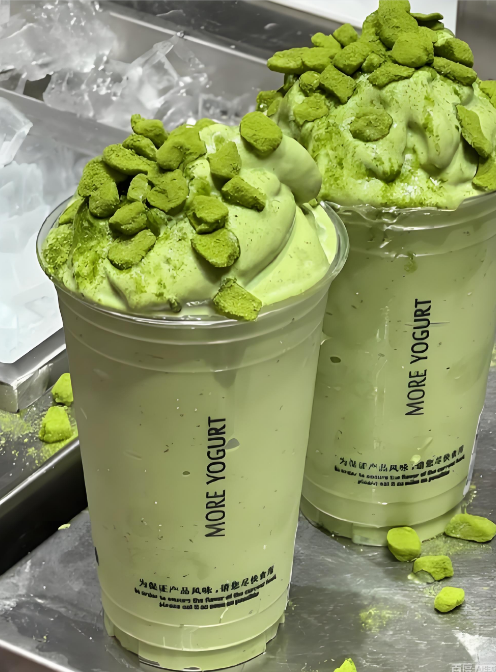
What Is Mochi Matcha Latte, and Why It Is Resonating With Global Consumers
Mochi Matcha Latte re‑imagines the classic matcha latte by adding bite‑sized soft mochi pieces as a signature topping. Traditional matcha latte consists of stone‑ground matcha powder whisked with warm water, combined with steamed or cold milk and sweetener. Mochi adds a unique textural dimension: soft, mildly sweet, chewy glutinous‑rice morsels that sink and float within the green milk base.
The drink draws from two massive global food trends: matcha wellness culture and Asian‑style chewy toppings popularised by bubble tea.
Matcha has moved firmly from niche specialty product into mainstream foodservice. More cafes and bubble‑tea venues stock at least one matcha‑based drink on permanent menus, not only as a seasonal special. Consumers associate matcha with natural energy from L‑theanine, antioxidants, and coffee‑alternative functionality, attracting wellness‑oriented buyers who avoid excessive caffeine from espresso‑based drinks.
Simultaneously, chewy toppings culture continues expanding beyond classic tapioca pearls. Mochi, lychee jelly, coconut jelly, popping boba, and pudding give operators flexible ways to differentiate drinks without completely overhauling their beverage lineup. Mochi works beautifully for premium positioning: customers perceive mochi as a “dessert‑in‑a‑cup”, justifying higher retail price points compared to regular milk‑tea offerings.
Social‑media performance further fuels growth. Bright emerald‑green matcha liquid contrasted with pale‑white or matcha‑flavoured mochi creates highly photogenic beverages. Customers voluntarily post photos and reels on Instagram, TikTok, and Pinterest, generating organic free marketing for bubble‑tea shops and cafes that feature Mochi Matcha Latte. For small‑business operators, this organic social reach reduces expensive paid‑advertising burdens and drives foot traffic without heavy marketing spend.
Market data for bubble‑tea retail shows matcha‑forward menu items deliver strong gross margins, generally sitting between 65 %‑80 % for well‑formulated drinks. Toppings such as mochi add minimal ingredient cost while allowing operators to raise retail pricing by $0.75‑$1.50 per serving. This upsell potential makes Mochi Matcha Latte a smart addition for independent cafes, multi‑location boba chains, and beverage wholesalers hunting for hot‑selling new products to supply their retail clients.
Fundamentals: Choosing Correct Matcha Grade for Commercial Mochi Matcha Latte
The biggest mistake foodservice operators make with matcha drinks is buying the wrong grade of matcha powder. Many people assume ceremonial‑grade matcha equals better for lattes, but this logic often hurts profitability without improving drink quality for milk‑based applications.
Matcha grades break down broadly into ceremonial grade, latte / barista grade, and culinary grade.
- Ceremonial‑grade matcha: Produced from first‑flush shaded tea leaves, very high umami, low bitterness. Extremely expensive. Best enjoyed whisked with water alone. When mixed with large volumes of milk, its subtle nuance gets masked, making ceremonial grade financially wasteful for high‑volume bubble‑tea shop use.
- Latte‑grade / barista‑grade matcha: The commercial sweet spot for Mochi Matcha Latte. Balances bright green colour, acceptable flavour intensity, and reasonable wholesale pricing. It retains enough earthy matcha character to stand against milk, oat milk, almond milk and sweeteners without turning overly bitter. This grade is what most successful bubble‑tea chains use for matcha milk‑tea menus.
- Lower‑tier culinary‑grade matcha: Lower cost, frequently yellow‑tinged, high bitterness. Can work for baking, but risky for lattes; customers may complain about harsh, grassy bitter taste in finished drinks.
When evaluating bulk matcha for your Mochi Matcha Latte program, inspect these critical criteria:
- Colour: Look for vivid, rich emerald green. Dull olive or yellow‑green signals lower‑quality matcha. Colour is vital for visual customer appeal, especially for social‑media sharing.
- Flavour profile: Should deliver gentle umami, mild vegetal notes, and limited harsh bitterness. Remember mochi itself carries sweetness, so your matcha base should not rely solely on sugar to mask bad flavours.
- Certifications: EU organic or NOP organic certification is a powerful selling point for Western markets. Our Imperial Pure Matcha Tea and Jade Green Matcha Tea carry EU & NOP organic certifications, designed for commercial beverage applications. Review our full tea range: https://bubbleteasuppliers.com/bubble-tea/
- Bulk packaging and shelf‑life: Matcha degrades quickly from heat, light and oxygen. Reputable wholesale suppliers offer air‑tight, light‑proof bulk bags, with clear best‑before dates and storage guidance for your back‑of‑house inventory.
If you would like to dive deeper into understanding how shading, harvest timing, and processing shape matcha taste, revisit the matcha knowledge link shared above https://www.purematchapartners.com/es/blogs/matcha-101-terminology.
Commercial‑Grade Recipes: Hot & Iced Mochi Matcha Latte for Bubble Tea Shops
Below are scalable, shop‑tested recipes for 16oz (500 ml) servings of hot and iced Mochi Matcha Latte. Formulated for busy bubble‑tea shop workflows, minimising prep time during peak rush hours.
Hot Mochi Matcha Latte (16oz serving)
Ingredients per cup:
- 3.5 g latte‑grade matcha powder
- 60 ml hot water (70‑80 °C; boiling water creates bitter matcha, avoid 100°C boiling water)
- 20‑35 ml simple syrup or fructose (adjustable sweetness for customer customisation)
- 240 ml whole milk or oat milk (oat milk is top‑performing plant‑based option for matcha lattes; natural sweetness complements matcha flavour and froths reliably)
- 40‑50 g bite‑size mochi pieces (plain or matcha‑flavoured mochi topping)
Barista workflow steps:
- Sift matcha powder into a small mixing bowl to eliminate clumps. Clumpy matcha ruins mouth‑feel and visual quality of your final drink.
- Pour pre‑heated 70‑80°C water over matcha. Whisk vigorously in “W” motion for 20‑30 seconds until you achieve smooth matcha paste with fine foam on top.
- Add syrup into matcha paste and stir fully to dissolve.
- Steam milk to 65‑70°C, create soft micro‑foam.
- Place mochi pieces into serving cup. Pour matcha‑syrup mixture over mochi. Slowly pour steamed milk. Lightly swirl to combine. Do not over‑mix; allow partial layering for visual appeal.
- Serve immediately; advise customers to stir before drinking so mochi distributes evenly throughout the latte.
Iced Mochi Matcha Latte (16oz serving — highest‑volume seller in warm seasons)
Ingredients per cup:
- 3.5 g latte‑grade matcha powder
- 60 ml warm water (70‑80 °C)
- 20‑35 ml simple syrup
- 220 ml cold milk or plant‑milk alternative
- Full cup of ice
- 40‑50 g mochi topping
Workflow steps:
- Sift matcha, whisk with warm water to make lump‑free matcha paste. Blend in syrup.
- Fill 16oz serving cup with ice. Add mochi pieces to cup.
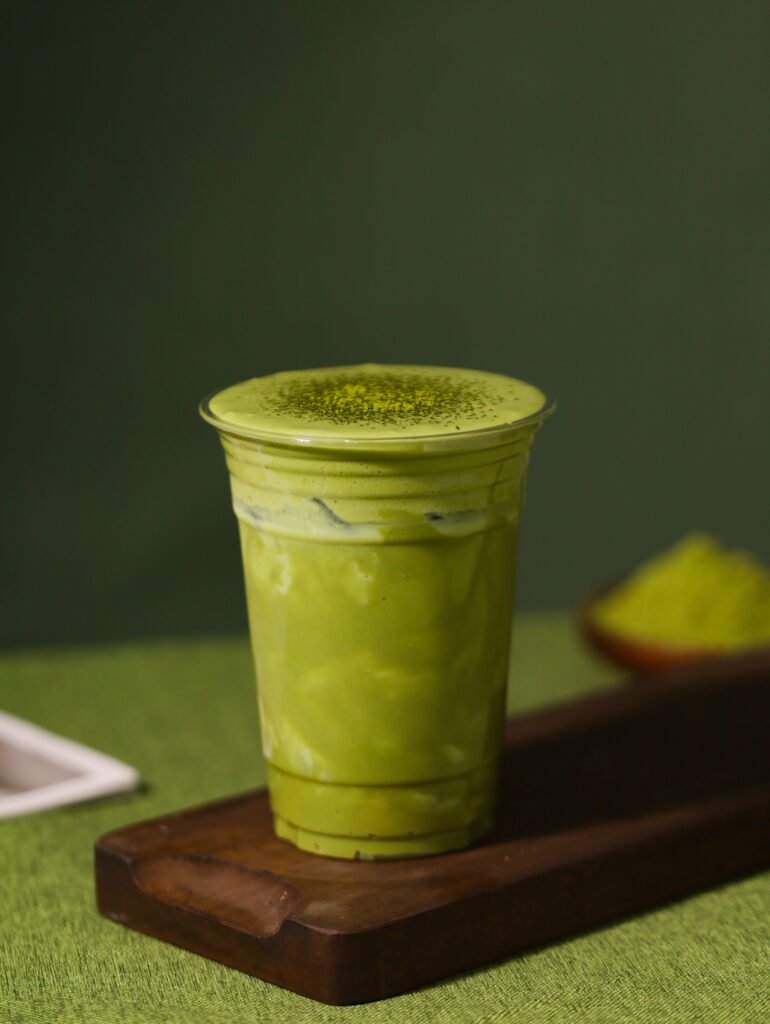
- Pour cold milk over ice, then slowly pour prepared matcha paste on top. This creates attractive two‑tone layered look ideal for customer photos.
- Hand shake or briefly stir. Do not over‑blend; preserve partial layer effect for aesthetics. Serve with wide‑bore straw essential for drinking mochi pieces.
Critical operational note: Always supply wide‑diameter straws for Mochi Matcha Latte. Standard thin boba straws will clog with mochi, generating customer complaints. This simple detail is frequently overlooked by new operators launching mochi‑topped drinks.
Menu‑Engineering: Position Mochi Matcha Latte to Drive Sales & Upsells
Adding Mochi Matcha Latte to your menu is only half of success. Thoughtful menu positioning determines how well it sells and how much profit it contributes to your bottom line. Here are actionable strategies for bubble‑tea shop and café operators.
1. Pricing strategy
In US, EU, and AU markets, Mochi Matcha Latte commonly retails between $6.20 and $8.20 USD, roughly $0.75‑1.20 higher than standard regular matcha latte. The small incremental ingredient cost for mochi creates large incremental profit. Total ingredient cost per 16oz serving typically lands around $1.10‑1.60 USD, delivering strong gross margin performance comparable to top‑selling boba milk‑tea offerings.
Offer 3‑level sweetness customisation (0 %, 50 %, 100 % sweetness). Mochi itself contains sugar, so many customers will select reduced‑sweetness settings. Giving guests control over sweetness improves satisfaction and reduces negative feedback about overly‑sweet drinks.
2. Cross‑selling and upsell ideas
- Upsell: Offer extra mochi for +$0.60. Many matcha fans will take this add‑on.
- Milk‑alternative upsell: Charge small premium for oat milk, coconut milk or almond milk.
- Limited‑time seasonal twists: For fall‑winter, launch a spiced Mochi Matcha Latte with subtle cinnamon. For summer, roll out mango‑infused Mochi Matcha Latte limited edition specials to refresh menu interest periodically.
- Combo meals: Pair Mochi Matcha Latte with light pastries or Asian snacks for set combo pricing to lift average check size.
3. Visual marketing inside‑store and social‑media
- Display high‑quality drink photos on menu boards and digital screens, highlighting the green matcha and mochi texture.
- Encourage staff to recommend Mochi Matcha Latte to customers ordering regular matcha latte: “Would you like to add chewy mochi to your matcha latte today?”
- Post user‑generated customer drink photos on your shop social accounts; tag guests when possible. Mochi Matcha Latte is inherently photo‑friendly and perfect for short‑form video content.
Operational Challenges & How Wholesale Buyers Avoid Common Pitfalls
Even with excellent recipes, operators run into avoidable problems with Mochi Matcha Latte. Understanding these pain points is valuable not only for bubble‑tea shop owners but also for wholesale tea distributors selling ingredients to hundreds of client venues.
Matcha clumping
Clumping comes from skipping sifting step or using boiling‑hot water directly onto powder. Train baristas to sift matcha before whisking. Wholesale suppliers should educate their foodservice clients about proper matcha handling in product documentation and sales communications.
Mochi storage and shelf‑life issues
Mochi toppings are perishable. Improper storage leads to hard, dry mochi that ruins drink experience. Operators must strictly follow storage instructions from mochi manufacturers. Wholesale partners should clearly communicate shelf‑life, refrigeration requirements, and post‑opening usage windows to buyers.
Inconsistent drink quality across shifts
Create simple one‑page SOP sheets with exact gram measurements for matcha, syrup, mochi weight, water temperature ranges. Avoid “add matcha to taste” vague instructions, which produce wildly variable drinks across different staff members.
Supply‑chain risk for matcha
Many new buyers source ultra‑cheap matcha from unknown vendors, only to receive inconsistent batches with poor colour and bitter flavour. Working with a trusted wholesale bubble‑tea supplier mitigates batch‑variability risk. Our portfolio includes EU & NOP certified organic matcha plus a complete selection of oolong, black tea, jasmine green tea bases for full menu development. Explore our wholesale bubble‑tea ingredient collection: https://bubbleteasuppliers.com/bubble-tea/
B2B Wholesale Perspective: Selling Mochi Matcha Latte Ingredients to Global Foodservice Clients
If you work as a tea wholesaler or beverage importer supplying bubble‑tea shops and cafes across international markets, Mochi Matcha Latte represents a compelling selling opportunity for your product portfolio.
Your clients want more than just bulk powder; they want complete solutions: recipes, menu‑marketing guidance, technical tips, and sample products for in‑store testing. When pitching matcha to prospective foodservice customers, position latte‑grade organic matcha as the core ingredient for building best‑selling signature drinks such as Mochi Matcha Latte.
Key selling talking‑points you can share with your retail clients:
- Matcha‑based drinks achieve high gross profit margins for bubble‑tea venues.
- Mochi Matcha Latte creates social‑media‑ready menu items to attract younger demographics.
- Organic certifications (EU, NOP) become powerful selling points for consumers in Western markets.
- Flexible customisation of sweetness and milk types allows venues to adapt drinks to local regional taste preferences.
Wholesale operators should carry sample‑size matcha packs so client shops can test‑brew Mochi Matcha Latte before committing to large bulk orders. Testing allows venues to tweak sweetness levels and understand how the matcha performs with local milk brands before full‑scale menu roll‑out.
Beyond matcha powder, remember that successful bubble‑tea venues need diverse tea bases: roasted black tea, four‑season oolong, white‑peach oolong, jasmine green tea and more. Our complete range of wholesale bubble‑tea raw materials supports your clients in building full, varied menus beyond matcha‑only offerings. Browse our catalog: https://bubbleteasuppliers.com/bubble-tea/
Conclusion
Mochi Matcha Latte is far more than a passing social‑media fad. It brings together three powerful consumer demands: matcha wellness appeal, fun chewy bubble‑tea‑style toppings, and premium café‑quality latte experience. For bubble‑tea shop owners and independent café operators, adding a well‑executed Mochi Matcha Latte onto your permanent menu drives higher average order values, improves profit margins, and draws in new customers who actively seek novel beverage experiences.
The foundation of every great Mochi Matcha Latte lies in selecting appropriate latte‑grade matcha powder. Avoid over‑spending on ceremonial‑grade matcha for milk‑based drinks, but reject low‑grade bitter culinary matcha that will turn customers away. Take time to learn matcha fundamentals: https://www.purematchapartners.com/es/blogs/matcha-101-terminology.
Whether you run a single bubble‑tea location, manage multiple café outlets, or operate as an international beverage wholesaler sourcing bulk teas for resale, reliable ingredient sourcing is everything. Our company provides certified organic matcha together with comprehensive loose‑leaf tea selections built for the bubble‑tea industry. Visit our wholesale bubble‑tea product page for more details: https://bubbleteasuppliers.com/bubble-tea/
Test our hot and iced Mochi Matcha Latte recipes, refine sweetness levels for your local audience, train your baristas on simple SOP workflows, and leverage the drink’s natural visual appeal for social‑media marketing. When implemented correctly, Mochi Matcha Latte can quickly grow into one of your shop’s signature best‑selling beverages.