
If you walk into any well‑performing bubble tea shop across Europe, North America, Southeast Asia or Oceania, you will almost certainly spot pudding milk tea on the menu board. More than just another topping‑added milk tea, pudding milk tea blends classic brewed milk tea with silky, custard‑style pudding to deliver a hybrid dessert‑beverage experience that keeps customers coming back for repeat orders. While chewy tapioca boba remains the global icon of bubble tea, pudding milk tea has steadily climbed consumer preference charts, becoming one of the highest‑margin add‑on drinks for independent bubble tea stores, chain cafés and quick‑service restaurants.
For wholesale suppliers and beverage business buyers, understanding pudding milk tea — its flavour logic, tea base pairings, operational challenges, customer demographic, sourcing standards and menu‑building tricks — directly translates to higher sales volumes for tea leaves, pudding powder, sweeteners and complementary bubble‑tea raw materials. Many shop owners know pudding milk tea is popular but struggle with consistent texture, correct tea base matching, cost control and menu positioning. This article breaks down everything B2B buyers and shop operators need to know about pudding milk tea, from core milk‑tea fundamentals to wholesale ingredient sourcing tips.
To start building your drink portfolio with premium loose‑leaf teas, topping supplies and complete bubble‑tea raw‑material sets, visit our product page: https://bubbleteasuppliers.com/bubble-tea/. Before diving deep into pudding milk tea itself, it helps to revisit what makes great milk tea work as a foundation. You can learn more about milk‑tea history, tea‑milk balance and regional milk‑tea styles through trusted beverage industry resources: Eater’s complete bubble‑tea and milk‑tea explainer.
What Exactly Is Pudding Milk Tea?
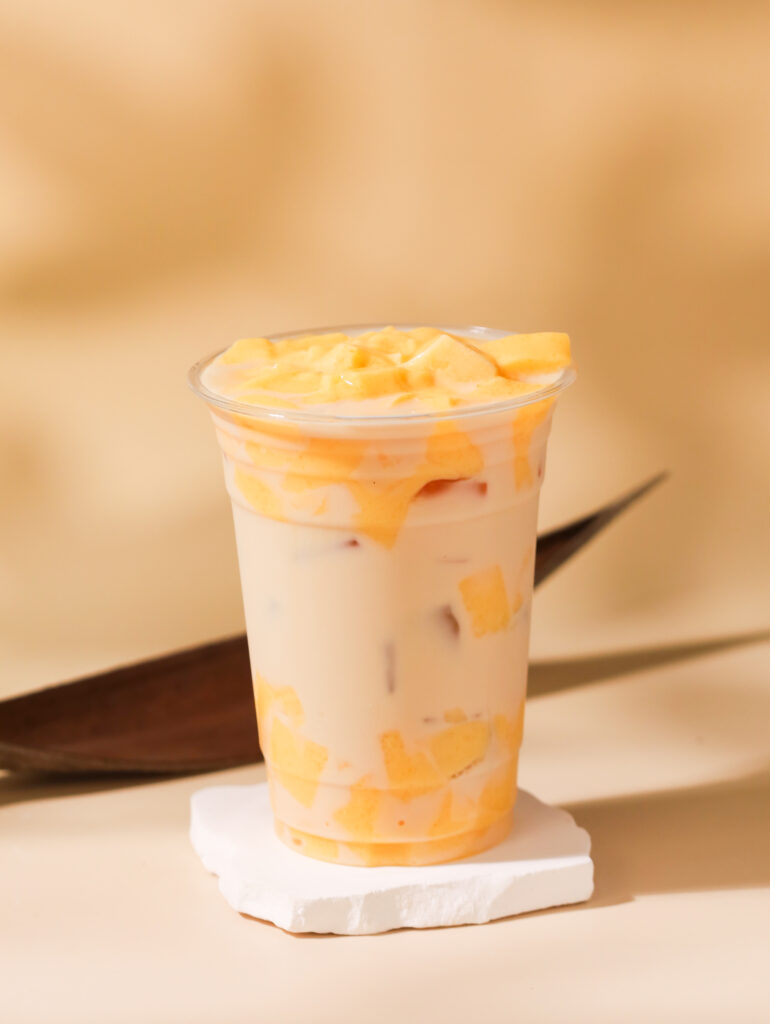
Pudding milk tea is a bubble‑tea beverage combining brewed milk tea base and cubed soft custard pudding topping, most commonly egg‑flavoured pudding (often referred to as custard pudding). Unlike jelly toppings (grass jelly, coconut jelly, lychee jelly) which offer bouncy, firm gel texture, pudding delivers velvety, melt‑in‑mouth creaminess with subtle vanilla‑caramel egg‑custard notes. When sipped through wide‑diameter bubble‑tea straws, customers enjoy two layers in every sip: smooth tea‑milk liquid and soft semi‑solid pudding chunks.
There are two mainstream ways operators serve pudding milk tea globally:
- Classic topping‑style (most common): Brewed milk tea (black tea, oolong tea base), sweetener, milk or non‑dairy creamer, ice or hot water, plus pre‑made cubed pudding placed at bottom or layered on top of the cup.
- Pudding‑blended base style: Pudding powder partially mixed into the drink itself, creating an overall richer, creamier beverage instead of discrete topping pieces.
A widespread misconception: commercial bubble‑tea pudding powder frequently does not contain real egg ingredients. Most wholesale pudding powder relies on non‑dairy creamer, food‑grade stabilisers (carrageenan, xanthan gum), flavour compounds and colourants to replicate egg‑custard taste and mouthfeel. Business owners must note this for allergen labelling and customer questions about egg‑content claims.
Pudding Milk Tea vs Other Popular Bubble‑Tea Topping Drinks
It is useful for menu planning to contrast pudding milk tea against competing high‑selling drinks:
表格
| Drink | Key Texture | Primary flavour profile | Customer use‑case |
|---|---|---|---|
| Pudding Milk Tea | Silky, soft‑custard, spoonable | Vanilla‑custard, light caramel | Comfort drink, dessert‑replacement, all‑season |
| Classic Tapioca Boba Milk Tea | Chewy, elastic pearls | Sweet tea‑milk | Casual refreshment, signature bubble‑tea order |
| Grass Jelly Milk Tea | Firm, bouncy herbal jelly | Earthy herbal, mild bitter‑sweet | Summer cooling drink |
| Crème Brûlée Milk Tea | Pudding plus burnt‑sugar top | Strong burnt caramel | Premium seasonal special |
Pudding milk tea fills a unique niche: it feels indulgent without being overwhelmingly heavy. This quality explains its stable year‑round performance, rather than only being a seasonal limited‑time offering.
Milk‑Tea Base Fundamentals for Pudding Milk Tea
No pudding milk tea succeeds without a well‑balanced milk‑tea foundation. The pudding itself brings sweetness, creaminess and custard notes, meaning your brewed tea base should have enough body and tea character so the drink does not taste flat or overly sweet after adding pudding. This is a critical operational detail many new bubble‑tea shops overlook.
Milk tea at its core is brewed tea combined with milk, plant‑based milk alternatives or non‑dairy creamer and sweetener. The choice of tea variety shapes the whole final flavour experience of pudding milk tea. Working from our wholesale tea catalogue, here are our top‑performing tea bases to pair with pudding:
- Strong Da Hong Pao Oolong (Wuyishan, Fujian, China) Medium‑roasted robust oolong brings rich roasted mineral notes. It cuts beautifully through sweet creamy pudding. This creates a sophisticated, less‑sugary pudding milk‑tea variant ideal for premium‑positioned cafés.
- Mi Xiang Black Tea (Fujian, China) Honey‑fragrance black tea delivers natural honey sweetness and malty roundness. It is the most crowd‑pleasing match for classic egg pudding milk‑tea, suitable for hot and iced servings.
- Classic Roasted Black Tea (medium‑roasted) Medium‑roast black tea offers depth without sharp bitterness. This is a cost‑effective, high‑volume base for busy bubble‑tea store locations.
- Four‑Season Oolong Tea (Fujian, China) Light floral oolong creates a lighter, brighter pudding milk‑tea, perfect for customers who dislike heavy roasted profiles. Best served iced.
- Assam CTC Black Tea Strong, brisk black tea famous for milk‑tea. Great for shops wanting bold tea presence that stands up to rich pudding and non‑dairy creamer.
You can source all these loose‑leaf bubble‑tea grade teas alongside pudding powder and toppings from our wholesale collection: https://bubbleteasuppliers.com/bubble-tea/.
Critical rule for operators: Since commercial pudding already contains built‑in sweetness, reduce fructose or syrup levels for pudding milk‑tea recipes by 15‑25 % compared to regular plain milk‑tea. If you keep sugar levels identical to standard milk‑tea, your finished drink will taste cloyingly sweet and receive negative customer feedback.
Pudding Variations to Expand Your Menu
Once you master classic egg‑custard pudding milk‑tea, you can roll out multiple menu variations without large extra equipment investment, helping shops upsell existing customers. Wholesale buyers can recommend these SKU combinations to their retail‑shop clients.
1. Matcha Pudding Milk Tea
Pair our EU & NOP organic‑certified Imperial Pure Matcha Tea with matcha‑flavoured pudding. Earthy umami matcha balances sweet custard. This variant performs very well among health‑conscious consumers and social‑media‑driven young buyers.
2. Osmanthus Oolong Pudding Milk Tea
Osmanthus‑infused oolong tea base plus egg pudding. Delicate floral aroma contrasts creamy custard; excellent hot‑drink option for autumn and winter seasons.
3. White‑Peach Oolong Pudding Milk Tea
Fruity white‑peach oolong tea base mixed with soft pudding. A lighter, fruit‑forward twist for summer menus, attracting customers who avoid heavy black‑tea bubble‑tea.
4. Lychee Oolong Pudding Milk Tea
Tropical lychee‑flavoured oolong plus vanilla‑custard pudding. Fun limited‑time special for holiday or summer promotions.
5. Multi‑topping Combo: Pudding + Boba Milk Tea
Combine cubed pudding with tapioca pearls. Two contrasting textures in one cup — chewy boba and silky pudding. This is a high‑value upsell option. Charge a small premium for double‑topping combinations to improve profit margin per cup.
All of these custom‑menu ideas only require you to stock flavoured oolongs, black teas, matcha and assorted pudding‑flavour powder, all available via our wholesale portal https://bubbleteasuppliers.com/bubble-tea/.
Market Trends: Why Pudding Milk‑Tea Continues Growing Globally
The worldwide bubble‑tea market keeps expanding rapidly. Industry research notes growing consumer demand for hybrid “drink‑and‑dessert” beverage concepts. Shoppers want indulgent treats that they can grab to go, without sitting down for formal dessert service in restaurants. Pudding milk‑tea perfectly fits this consumer behaviour shift.
Demographic‑wise, pudding milk‑tea appeals to multiple customer groups:
- Teen and young‑adult bubble‑tea regulars looking beyond basic boba.
- Older customers who find overly chewy boba difficult to consume; soft pudding is easier on teeth.
- Hot‑drink buyers during cold months: unlike tapioca pearls which lose texture in hot drinks, pudding holds its quality well when served hot, making pudding milk‑tea a fantastic winter menu anchor. Many bubble‑tea shops struggle with profitable hot‑drink offerings, and pudding milk‑tea solves this gap.
- Dessert lovers who want a lighter alternative to cake or ice‑cream.
For wholesale beverage suppliers, this means pudding‑related SKUs represent stable, all‑year demand, not just seasonal spikes. When advising café and bubble‑tea‑shop clients, encourage them not to treat pudding milk‑tea as a niche limited‑edition product, but as a permanent core‑menu item.
Operational Best Practices for Bubble‑Tea Shop Owners
Great‑tasting pudding milk‑tea can turn into customer complaints if store teams mishandle pudding storage, portion control or drink assembly. Below are actionable best‑practice tips for shop operators; wholesale sales teams can pass these guidelines to their B2B customers as value‑add knowledge.
- Follow pudding powder preparation instructions strictly Water temperature, powder‑to‑water ratio, cooling and setting time directly control pudding texture. Too‑soft pudding dissolves into milk‑tea and creates murky drinks. Over‑firm pudding feels rubbery and unpleasant. Train baristas to follow manufacturer SOP step‑by‑step.
- Refrigerate finished pre‑made pudding, observe shelf‑life limits Once cooked and set, cubed pudding needs refrigeration. Discard leftover pudding according to food‑safety timelines. Spoiled pudding causes serious food‑safety risks. Never serve old pudding to customers.
- Portion control for consistent taste and cost management Standard portion: 80 g‑100 g cubed pudding per 500 ml cup. Too little pudding and customers feel short‑changed; too much pudding increases your COGS (cost of goods sold) and reduces drink volume for tea‑milk base. For wholesale partners, remind buyers that portion discipline protects profit margins.
- Adjust sweetness level as standard operating procedure As mentioned above: pudding itself carries sweetness. Set your POS system to default reduced sugar for all pudding milk‑tea variants, so staff will not accidentally use full‑sugar settings. Offer customers extra‑sugar or less‑sugar customisation options.
- Serve with wide bubble‑tea straws Regular narrow coffee straws cannot suck up pudding cubes. Always supply wide‑bore straws for any pudding‑containing beverage. Add a small spoon option for dine‑in guests.
- Allergen transparency Most commercial bubble‑tea pudding powder contains milk‑derived non‑dairy creamer, so it is not suitable for vegan menus. Even “egg pudding” often contains zero real egg. Clearly list allergens on menus for dairy‑intolerant, vegan customers.
Sourcing Wholesale‑Grade Ingredients for Pudding Milk‑Tea: What Buyers Should Look For
If you are a bubble‑tea shop owner or wholesale beverage distributor purchasing raw materials for pudding milk‑tea, ingredient quality directly shapes customer satisfaction and brand reputation. When evaluating suppliers, focus on these key criteria:
- Tea leaf quality and origin traceability For milk‑tea bases, select bubble‑tea‑grade loose‑leaf teas with clear origin information. Our catalogue includes teas sourced from Guangdong Dancong oolong, Wuyi Mountain Da Hong Pao, multiple Fujian‑grown black teas and oolongs, EU‑certified organic matcha and Ceylon black tea. Consistent batch‑to‑batch flavour is non‑negotiable for multi‑location shops. Inconsistent tea quality makes your pudding milk‑tea taste different every visit, hurting repeat‑customer loyalty.
- Pudding powder performance in both hot and iced applications Some low‑cost pudding powder breaks down quickly in hot liquid. Test samples in both hot and iced milk‑tea before placing large‑volume wholesale orders. Good‑quality pudding maintains cube shape in iced drinks and does not dissolve instantly in hot‑drink versions.
- Packaging for commercial foodservice For B2B clients, choose bulk 1 kg or larger food‑grade sealed packaging for powder ingredients. Good shelf‑life for unopened goods helps shops manage inventory without frequent re‑ordering cycles.
- Certifications matching target‑market compliance If selling to EU or North‑American markets, check food‑safety certifications. For organic‑matcha applications, look for EU organic and NOP organic certification as we provide for our Imperial Pure Matcha and Jade Green Matcha Tea lines.
Our team supports B2B customers with bulk loose‑leaf teas, pudding powder, toppings and accessories for pudding milk‑tea and the full bubble‑tea menu. Explore our full ingredient range here: https://bubbleteasuppliers.com/bubble-tea/. We also provide recipe sheets and basic operational guidance for our wholesale partners.
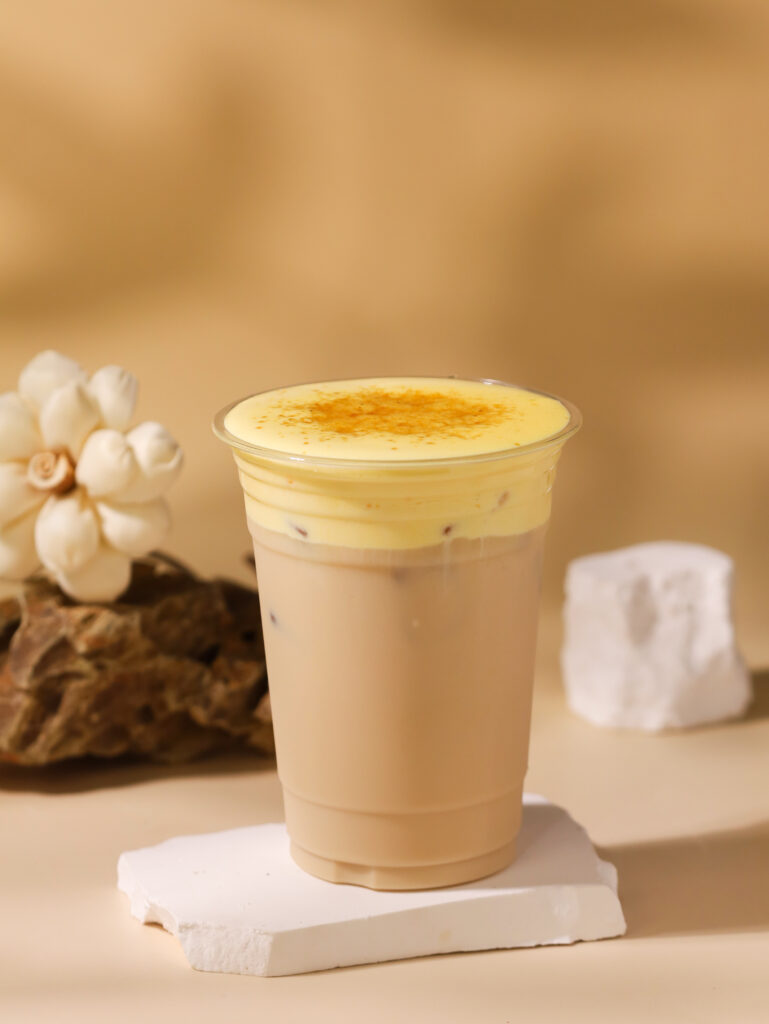
Sample Shop‑Ready Recipe: Classic Egg Pudding Milk Tea (500 ml, Iced)
For bubble‑tea store use, scalable for high‑volume service
- Brew 220 ml strong Mi Xiang Black Tea (properly steeped according to tea SOP, then cooled).
- Add 35 g non‑dairy creamer, stir until fully dissolved.
- Add 15‑20 ml fructose syrup (reduce compared to plain milk‑tea because pudding brings sweetness). Adjust for local taste preference.
- Fill cup with 120 g ice. Pour tea‑milk mixture over ice.
- Add 90 g pre‑prepared cubed egg pudding to the cup.
- Seal, shake well. Serve with wide bubble‑tea straw.
For hot version: skip ice, use 320 ml total hot brewed tea‑milk, add hot‑safe cubed pudding, keep temperature below 70°C to prevent rapid pudding breakdown.
Marketing & Menu Tips to Boost Pudding Milk‑Tea Sales
Great product only delivers profit if customers order it. Here are practical marketing ideas for bubble‑tea shops and insights wholesale suppliers can share with their retail clients:
- Visual storytelling on menu boards and social‑media content Transparent cups show off golden‑yellow pudding cubes layered within creamy milk‑tea. Post high‑resolution photos of layered pudding milk‑tea on Instagram, TikTok and shop menus. Food‑focused social platforms drive huge amounts of bubble‑tea foot traffic. Highlight “dessert‑in‑a‑cup” selling point.
- Strategic menu placement Place pudding milk‑tea near top‑selling signature drinks, not buried at the bottom of menu lists. Create one featured signature pudding‑tea variant (e.g. Roasted Da Hong Pao Oolong Pudding Milk Tea) to give customers a recommended starting point.
- Upsell training for staff Train cashiers and baristas to suggest adding pudding as topping upgrade for any plain milk‑tea order. Example script: “Would you like to add silky custard pudding to your milk‑tea today for a small extra charge?” Even modest add‑on rates lift average order value significantly.
- Limited‑time seasonal pudding specials Launch seasonal limited‑edition variants: Osmanthus oolong pudding milk‑tea in autumn, white‑peach oolong pudding milk‑tea in summer, matcha pudding milk‑tea for winter holiday periods. Limited‑time offers drive trial from existing customers without needing entirely new equipment.
- Bundle promotions Create combo deals: pudding milk‑tea plus small snack item for set price to increase transaction value.
Common Mistakes Businesses Make With Pudding Milk‑Tea
Learning from frequent pitfalls saves bubble‑tea operators costly missteps:
- Using weak, under‑brewed tea base: Pudding is rich; thin tea disappears behind pudding sweetness, drink tastes bland. Always use correctly brewed full‑strength tea.
- Forgetting sugar reduction: As repeatedly noted, excess sugar is the number‑one customer complaint for pudding milk‑tea.
- Poor pudding storage leading to texture degradation or food‑safety hazards.
- Serving with narrow straws, customers cannot consume pudding chunks, leading to negative reviews.
- Buying low‑grade pudding powder that dissolves in‑cup, turning drink murky. Wholesale buyers should test samples before committing to large‑volume orders.
Pudding milk‑tea has cemented its position as a core menu offering in the global bubble‑tea industry, bridging beverage and dessert worlds with its uniquely silky custard‑to‑tea‑milk experience. It works for hot and iced service, appeals to diverse consumer demographics, supports strong profit margins and opens many creative menu‑variation opportunities for bubble‑tea shops and cafés. Success hinges on three pillars: high‑quality brewed‑tea base, properly prepared and stored pudding topping, plus smart menu engineering and staff execution.
For bubble‑tea‑shop owners seeking reliable wholesale ingredients — including premium oolongs, black teas, organic matcha and pudding‑tea‑making supplies — explore our complete B2B bubble‑tea catalogue: https://bubbleteasuppliers.com/bubble-tea/. Whether you want to launch classic egg pudding milk‑tea or innovate seasonal flavoured‑tea‑pudding combinations, the right raw‑material partner helps you deliver consistent, customer‑loved drinks every single service shift.
If you are a wholesale distributor looking to expand your bubble‑tea‑ingredient portfolio or a retail shop owner wanting sample product testing and recipe guidance, reach out to our team for further business support. Continue expanding your milk‑tea knowledge by reading industry guides about bubble‑tea culture and milk‑tea fundamentals from trusted beverage‑media sources such as Eater’s boba explainer: https://www.eater.com/21551108/boba-milk-bubble-tea-explained.