
Every fall, a small ritual resurfaces across social media: someone orders a warm cup of milk tea, posts a photo of it, and calls it “the first cup of milk tea in autumn.” It sounds like a simple seasonal habit, but behind it sits a real cultural tradition — one that started on Chinese social media and has quietly become a cue that bubble tea shops in North America use to kick off their own fall season.
If you run a bubble tea shop and you keep seeing “autumn milk tea” or “first cup of milk tea in autumn” trend online, this guide explains where the tradition comes from, why it returns every year, and how you can give it a practical U.S. twist at your counter.
Where the Autumn Milk Tea Tradition Comes From
The tradition is anchored to Liqiu (立秋), the 13th of the 24 solar terms in the traditional Chinese calendar and the traditional start of autumn. On that day, people buy or gift a cup of milk tea to mark the shift from summer heat to cooler weather — often as a small gesture of care for a partner, friend, or family member.
The phrase itself matters as much as the drink. “The first cup of milk tea in autumn” (秋天的第一杯奶茶) carries a warm, affectionate meaning: “I’m thinking of you as the season changes.” It lets someone say “I care about you” without a grand romantic gesture, and it gives both people a cozy shared moment.
The ritual reached a wide audience in September 2020, when a WeChat Moments screenshot showed a 52-yuan money transfer captioned with the phrase. The number 52 sounds like “I love you” in Chinese (五二, close to 我爱), which made the gesture feel especially sweet. As Caixin Global reported at the time, the wave quickly became a national talking point: was it a genuine show of care, or simply another clever marketing hook? The answer turned out to be both.
The Emotion at the Center of the Ritual
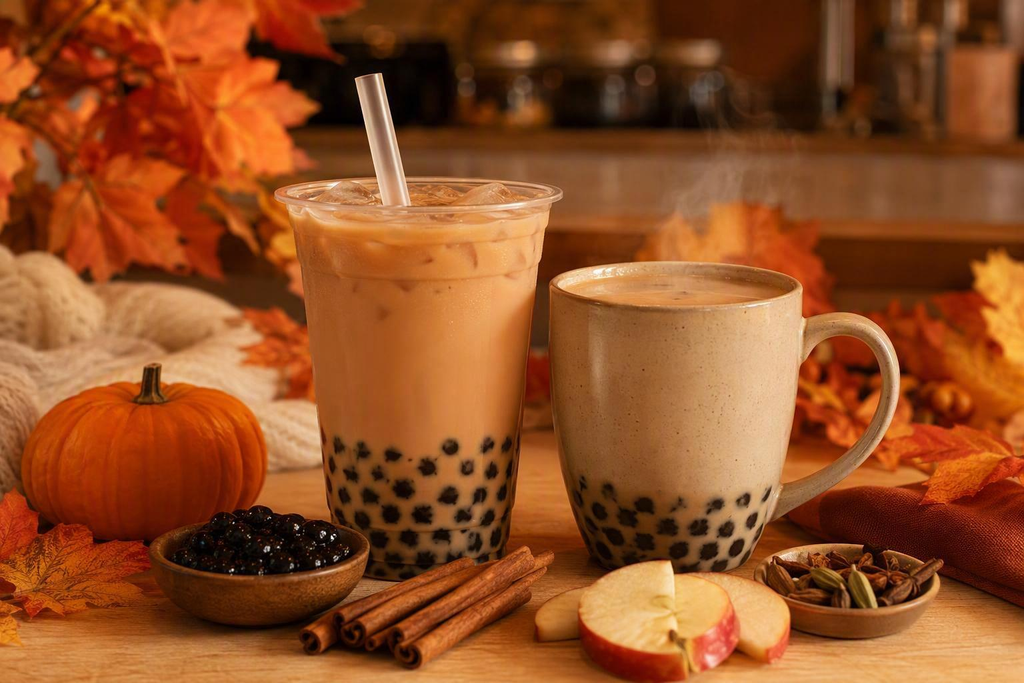
At its core, the autumn milk tea tradition is a form of emotional consumption. Young consumers were not just buying tea — they were buying a way to signal connection. A cup of milk tea is inexpensive enough to gift casually, photogenic enough to post, and warm enough to feel like a small hug in a cup when the temperature drops.
China Daily has described the ritual as one that millions of people join at the Start of Autumn every year, turning a simple drink into a moment of the country’s growing “emotion economy.” The takeaway is compact: someone remembered me, I am loved, or I can show someone else I care. The drink is the vehicle; the feeling is the point.
Because the ritual is built on warmth and a short seasonal window, it does not depend on any single flavor or recipe. It adapts easily to whatever a shop sells — which is exactly what makes it useful for operators outside China.
Why the Tradition Reaches Beyond Asia
Bubble tea has always been a naturally shareable drink. It is colorful, customizable, and closely tied to youth culture, which helped it travel from Taiwan in the 1980s to North America and Europe through platforms like Instagram and TikTok.
What the autumn trend added was a portable, emotionally coded format that other bubble-tea audiences could copy. Because boba culture already thrives on aesthetics and seasonal content, the Chinese “first cup of milk tea” idea fits naturally alongside the Western habit of celebrating “the first day of fall” or launching a “first fall drink.” Several chains have already borrowed the concept under English-friendly names like “First Cup of Fall.”
In short, the autumn milk tea tradition is not a literal global holiday. It is a shareable seasonal format — and that means a U.S. shop can adopt it as a natural part of its own autumn marketing without needing to import the exact Chinese custom.
What Autumn Milk Tea Means on a U.S. Menu Today
The cultural origin is warm and universal, but the drinks themselves follow local taste. In the U.S., fall demand clusters around familiar, cozy flavors rather than any single recipe.
- Pumpkin leads the charge. Pumpkin spice and pumpkin-pie milk teas reappear every fall, often built on a strong black milk tea base with milk foam and boba.
- Chai, cinnamon, and brown sugar follow. These warm spice profiles map directly to the “cozy” cues that define the season and show up across seasonal menus.
- Apple is the big alternative. Caramel apple and apple-cider-inspired drinks keep climbing, with restaurant-industry coverage noting how apple-forward beverages have been stealing fall spotlight in recent years.
- Pecan, maple, and roasted teas are broadening the field. Fall menus increasingly pair sweet, nutty, and toasted notes — including oolong or hojicha bases — to add depth beyond pumpkin.
One useful data point comes from The Food Institute’s fall flavor research, which found that in one consumer survey, cinnamon, salted caramel, and candy apple ranked ahead of plain pumpkin spice. That is a useful reminder that a strong autumn collection does not have to stop at pumpkin — there is real demand for warm, spiced, apple-led, and nutty drinks too.
If you are planning autumn-style milk teas, start with the classic milk tea base and layer the season on top. The core bubble tea ingredients guide walks through black, jasmine, and oolong bases and how each pairs with milk and sweeteners — the foundation for any pumpkin, chai, or brown-sugar build you want to run this fall.
How to Give It a “First Cup of Fall” Spin in Your Shop
You do not need to import the exact Chinese ritual to benefit from the season. The simplest way is to translate the idea into a limited-time autumn moment your regulars look forward to.
Keep the collection small. Launch three to five hero drinks rather than rewriting your whole menu. A tight “Fall Collection” feels special, stays easy for your team to make consistently, and keeps food costs predictable.
Use limited-time language. Autumn works because it is seasonal. Names like “First Cup of Fall,” “Pumpkin Chai Milk Tea,” “Apple Brown Sugar Oolong,” or “Harvest Brown Sugar Milk Tea” signal both scarcity and a reason to visit now.
Offer hot and iced versions. Fall weather is unpredictable, especially early in the season. Giving each hero drink a hot and an iced option covers both a cool first morning and a lingering warm afternoon.
Lean on warm spice bases. Chai, cinnamon, and brown sugar carry most of the “fall” feeling. A simple pumpkin chai milk tea — brewed chai or black tea with milk, pumpkin or pumpkin-spice flavor, and a dusting of cinnamon — is an easy, on-trend place to start. When it comes time to brew a base that stands up to milk and ice, the milk tea with tea bags guide shares practical pro tips for cafes and shops.
Finishing the Drink for Photos and Average Order Value
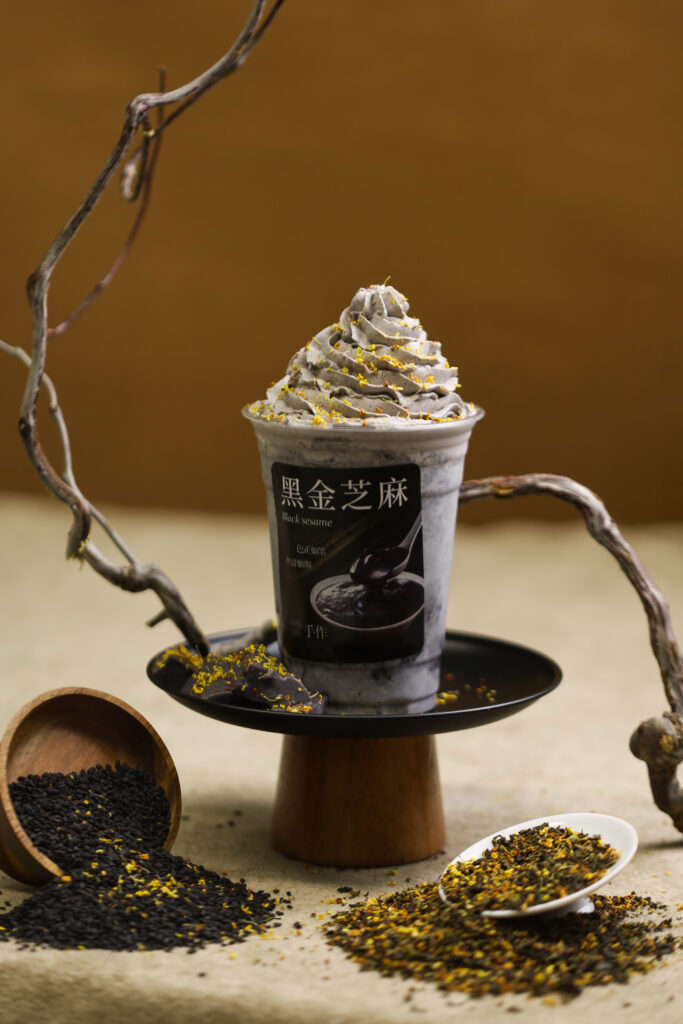
A seasonal drink does more for your fall push when it photographs well and lifts the ticket. Toppings are the fastest lever for both. Layered milk foam, a ring of boba, or a seasonal garnish makes a cup worth posting — and worth paying a little more for.
Because the tradition moves on social media, the visual is part of the product. When you build your fall lineup, check toppings that hold texture in both hot and iced versions and that photograph cleanly under shop lighting. The boba toppings guide is a handy reference for classic and trending options that carry across the season
Promoting the Season Without a Big Budget
The autumn milk tea tradition grew through shared photos, and your promotion can lean on the same instinct that made it viral: a warm, shareable moment.
- Give customers a reason to post. Distinctive cups or a small seasonal garnish make drinks easy to photograph well.
- Pick one branded hashtag like #FallBoba or #AutumnBubbleTea and repost customer photos to extend your reach.
- Run a low-cost launch offer. A buy-one-get-one early in the fall or a first-week deal can turn an otherwise quiet Tuesday into a launch moment.
- Share short prep clips. Behind-the-scenes shots of a pumpkin chai being layered with milk foam are exactly the content this trend runs on.
- Refresh mid-season. A simple rotation — swapping one hero drink for an apple brown sugar or a brown-sugar cinnamon edition — keeps the collection feeling new through October.
The Autumn Milk Tea Tradition as a Repeatable Event
At its heart, the autumn milk tea tradition is about anticipation. People look forward to that first warm, cozy cup the way they look forward to the leaves changing — and that anticipation is precisely what a limited-time seasonal offer is built on.
The strongest approach treats autumn as a small annual event your shop owns. Name it, date it, photograph it, and let regulars feel they are part of the first days of the season. Once you smooth out the builds and the messaging, you can run the same formula every year with fresh flavors, building a dependable fall bump your customers actually look forward to.
If you are planning your autumn milk tea lineup and want help choosing bases, powders, syrups, and toppings that hold up through the season, browse the complete bubble tea flavor and product guide, or talk to a beverage supplier that stocks commercial-grade ingredients ready for a U.S. shop counter.