
If your milk tea tastes great when you make it, but drifts between shifts (or between locations), you don’t have a recipe problem.
You have an ingredient-spec problem.
This guide breaks down boba tea drink ingredients for milk tea the way an operator needs to see them: what to standardize, what to allow as a choice, and which ingredients create the most “mystery inconsistency” in the cup.
The milk tea “ingredient system”: what you standardize vs. what you customize
If you’ve ever searched for a “bubble tea ingredients list,” you’ve seen the problem: it tells you what exists, but not what to control. For an operator, the goal is repeatability.
Most shop inconsistency comes from treating milk tea like a single recipe. It isn’t. It’s a system with a few fixed points.
Standardize these (non-negotiable):
Tea strength (your brewed tea spec)
Sweetener dosing method (your sweetness ladder)
Creaminess base (milk/creamer choice + exact dose)
Ice amount (yes, ice is an ingredient)
Your “default build” for each drink size
Customize these (controlled choices):
Tea type (within an approved list)
Sweetness level (0/25/50/75/100%)
Creaminess option (dairy vs plant milk, if you offer it)
Flavor system (syrup vs powder) within approved brands/formats
Toppings (within holding-time limits)
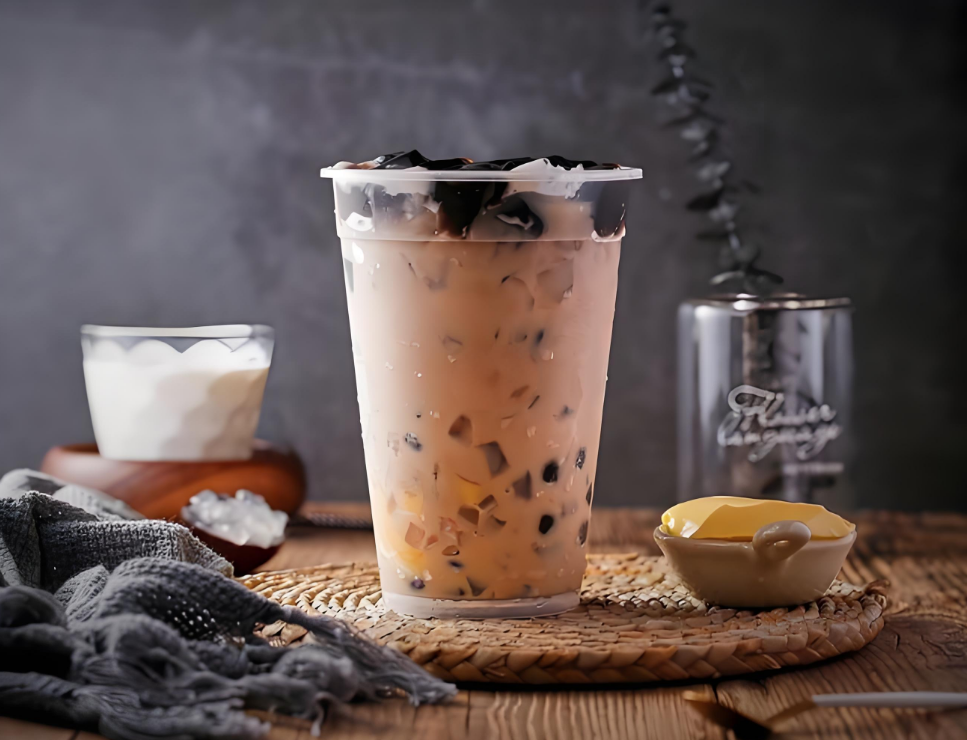
If you only take one thing away: SOPs are less about “the right ingredients” and more about “the same decisions every time.”
Boba tea drink ingredients for milk tea: the ingredient map
When you document boba tea drink ingredients for milk tea, don’t write a grocery list. Write an ingredient map: each category gets (1) a spec, (2) a dosing method, and (3) a QC check.
Here’s the quick map you’ll expand into your SOP:
Tea base (type + strength spec)
Creaminess (milk vs non-dairy creamer vs plant milk)
Sweetener (fructose vs cane/brown sugar syrup + dispensing method)
Flavor system (powder vs syrup + dose)
Toppings that change workflow (especially brown sugar boba and cheese foam)
Tea base: pick the right leaves, then brew to a consistent strength
Milk tea lives or dies on tea strength. Milk, creamer, sugar, and ice all dilute or mask flavor. A tea base that’s “fine” as hot tea often tastes thin once it becomes milk tea.
Tea choices for milk tea (shop-friendly shortlist)
For most boba shops, a black tea base is the easiest to standardize because it stays recognizable after dairy and ice.
Common operator-friendly options:
Assam: malty, strong backbone; holds up well to creamer.
Ceylon: bright and clean; useful for lighter milk teas.
English Breakfast blends: consistent and widely available.
Jasmine green tea: can work for lighter milk teas, but is easier to over-brew into bitterness.
Oolong: aromatic, premium-feeling, but needs tighter brewing control.
You don’t need ten tea SKUs. You need 2–3 that you can brew consistently.
Brew spec targets (ratio, time, temperature) and how to QA it
A practical starting point is brewing stronger than “home tea.” In The Book of Boba Tea, Taiwanesetable recommends a 1:40 tea-to-water ratio by weight as a starting point for boba tea brewing (“The Book of Boba Tea, Chapter 1: Brewing Tea” (2024)). Many shop recipes tighten that further depending on the tea and the amount of dilution your build introduces.
Here’s a simple way to turn that into an SOP:
Brew spec (example you can adapt):
Tea-to-water ratio: start at 1:40 by weight (adjust after tasting)
Water temperature: near-boiling for black tea; lower for green/oolong (avoid bitterness)
Steep time: set a timer, then strain immediately
QA checks (fast, staff-proof):
Color check: does it look like “strong iced tea,” not pale amber?
Aroma check: should smell like tea first, not sugar or dairy.
Taste check (no milk): should be strong but not harsh.
Milk test: mix a small sample with your standard creamer/milk dose. If it tastes watery, the tea is underpowered.
Pro Tip: Write your brew spec in grams, not “scoops.” A $15 scale is cheaper than one week of remake waste.
Creaminess: milk vs. non-dairy creamer vs. plant milks
When operators say “our milk tea isn’t consistent,” it’s often the creaminess base.
Not because the ingredient is bad, but because the shop hasn’t decided what it’s optimizing for: flavor, mouthfeel, shelf stability, allergen complexity, or speed.
Option 1: Dairy milk (flavor-first, higher perishability)
Best for: shops that want a fresher, cleaner finish.
What to standardize:
Exact milk type (whole, 2%, evaporated, half-and-half)
Exact dose per size
Whether you allow “no ice” (no-ice often needs a base adjustment)
Common failure modes:
Flat tea flavor if the tea is weak
Curdling with acidic flavors (less common in classic milk tea, more in fruit)
Variation from “whatever milk was on sale”
Option 2: Non-dairy creamer (workflow-first, consistent mouthfeel)
Non-dairy creamer exists for a reason: it’s shelf-stable, consistent, and fast.
But operators need to understand what it is.
A typical non-dairy creamer powder ingredient list includes glucose syrup and hydrogenated oils, and it often includes sodium caseinate (a milk-derived ingredient). For example, Bossen’s ingredient list explicitly notes “SODIUM CASEINATE – MILK DERIVATIVE” (BossenStore “Non-Dairy Creamer Powder” ingredients).
Translation: “Non-dairy” is not the same thing as “dairy-free.” Treat this like a milk allergen risk unless the label says otherwise.
What to standardize:
Brand/SKU (don’t swap creamers casually)
Dose in grams per size
Dissolution method (hot tea first vs shaking cold)
Common failure modes:
Chalky texture from under-mixing
Clumping from moisture exposure (poor storage)
“Why does our oat milk tea taste different?” because you changed the base without updating the SOP
⚠️ Warning: If you serve customers with milk allergy concerns, train staff that “non-dairy creamer” may still contain milk proteins. Require label checks and clear communication.
Option 3: Plant milks (menu flexibility, more variability)
Plant milks are popular in the US market, but they add variables:
Separation over time
Different sweetness levels by brand
Different fat/protein behavior when shaken with tea
If you offer plant milks, standardize:
Approved brands only
One “default” (e.g., oat) to reduce training complexity
A revised tea strength spec if needed (some plant milks mute flavor)
Sweeteners: fructose vs. cane and brown sugar syrups (and how to standardize)
Sweetener choice is where many shops accidentally build inconsistency into every drink.
Two customers can order “50% sweetness” and get different results if:
one staff member free-pours
another uses a different ladle
syrup viscosity changed
the tea was hotter/colder than usual
Build a sweetness ladder, then lock the dosing method
Most modern boba shops offer sweetness levels like 0%, 25%, 50%, 75%, and 100%. The simplest operational win is to pair that menu ladder with a dispensing system.
From an ops standpoint, a fructose dispenser is popular because it can deliver consistent amounts quickly. Along with a scale and syrup pumps, it’s one of the common pieces of bubble tea shop supplies used to reduce shift-to-shift variation, as noted in WebstaurantStore’s operations guide (WebstaurantStore “Bubble tea supplies list” (2026)).
If you don’t want a machine, syrup pumps can still standardize, as long as you define “one pump” precisely and train to it.
SOP decision: Choose one of these and commit.
Fructose dispenser (button = sweetness level)
Syrup pump (pump count = sweetness level)
Measured pour (ml, using a jigger or marked cup)
Fructose vs. cane/brown sugar syrups: the real tradeoff
Fructose syrup: consistency + speed. Flavor is neutral.
Cane sugar syrup: more rounded sweetness, often reads “higher quality.”
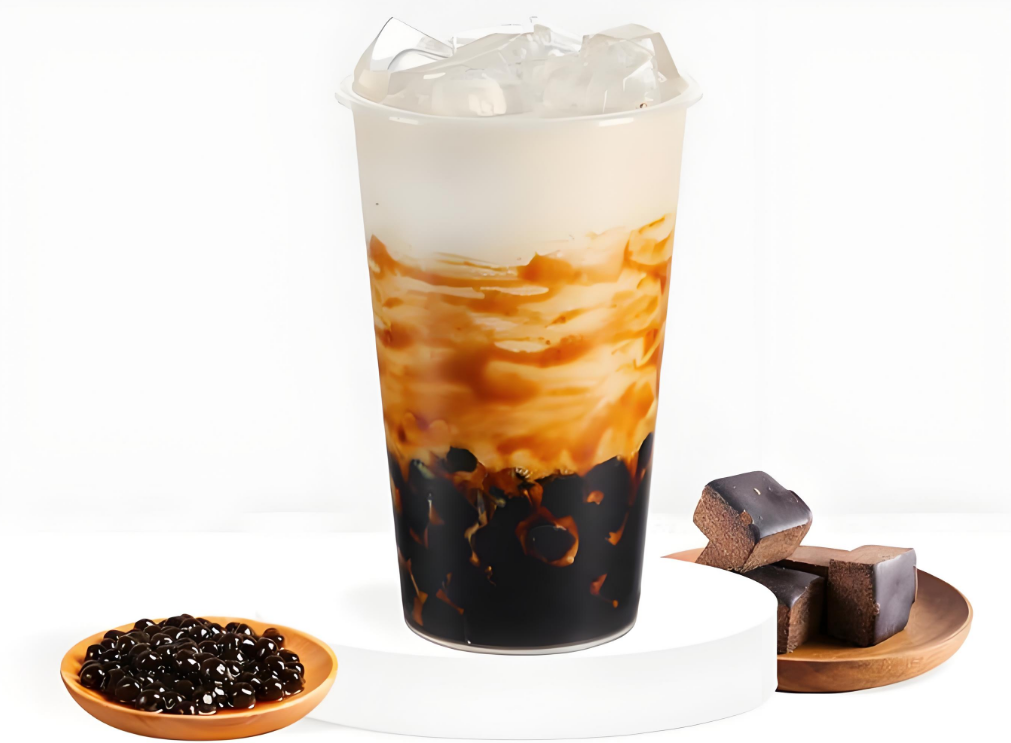
Brown sugar syrup: aroma + caramel notes. Great for brown sugar builds, but can overpower weak tea.
Common failure modes:
“Our 50% is still too sweet” because your 100% baseline is too high
“It tastes different every day” because syrup concentration drifted (batching without measuring)
Operational fix:
Pick a “100%” standard dose per size.
Decide if 25/50/75 are linear (e.g., 25% = 0.25x) or adjusted for taste.
Write it down and train it.
Flavor system: syrups vs. powders (how to spec and dose)
For flavored milk teas, you’re usually choosing between syrups and powders.
Here’s the operator version:
Syrups
Pros: fast, easy, good for seasonal flavors
Cons: can taste one-note; pumps can drift; sugar content varies
Powders
Pros: consistent flavor base; often delivers “classic shop taste”
Cons: clumping risk; allergen labeling can be messy; inventory management matters
If you want a practical decision framework for ingredient formats, you can borrow the logic from fruit formats too. BubbleTeaSuppliers.com breaks down format tradeoffs clearly in its guide to “Mango Milk Tea Ingredients: Puree vs Syrup vs Powder” (2026).
SOP standardization idea:
For each flavor, define:
acceptable format (powder or syrup)
exact grams or pumps per size
whether sweetness level changes that dose
Brown sugar boba ingredients and SOP controls
Brown sugar boba is a consistency trap. It’s also worth it.
The issue isn’t just ingredients. It’s time.
Ingredient formats you’ll see in shops
Most shops use one of these:
Uncooked tapioca pearls + brown sugar syrup (most control, most labor)
Quick-cook pearls (faster, but you must test texture and holding)
Ready-to-use boba packs (most consistent, lowest craft control)
Whatever you choose, standardize:
pearl size/SKU
cook time and rest time
syrup type and dose
holding container + label system
Cooking, holding, and texture QC (keep it simple)
You’ll see a wide range of advice online for holding cooked pearls. Operators typically optimize for texture first: once boba hardens or goes mushy, the drink is “wrong” even if it’s still safe.
A conservative shop SOP approach:
Cook in small batches aligned to your hourly volume.
Hold in syrup so the surface doesn’t dry out.
Label the batch time and set a discard time based on your own quality standard and local health requirements.
Quality checks staff can do without overthinking:
Chew test: chewy center, not chalky
Surface: glossy, not cracked
Syrup: still coats the boba, not watery
Cheese foam ingredients and SOP controls
Cheese foam turns a normal milk tea into a premium drink. It also adds dairy handling and texture variance.
Cheese foam ingredients (what you’re actually whipping)
Most cheese foam recipes are some version of:
cream cheese
whipping/heavy cream
milk
sugar (or condensed milk)
salt
Yes Moore Tea’s recipe is a straightforward example of the standard component set (“Two Easy Ways to Make a Cheese Foam”).
SOP decisions to lock:
recipe in grams
texture target (thick, airy, pourable)
batch size (small enough to stay fresh)
Holding, separation, and service workflow
Cheese foam is perishable and it separates.
Operational controls that help:
Keep it cold (refrigerated) and in an airtight container.
Train a “re-whip” step if your foam settles (don’t just stir aggressively and destroy the texture).
Treat it like a time-stamped prep item.
Failure modes:
Too thin: sinks into tea
Too thick: sits like frosting, hard to drink
Greasy mouthfeel: emulsification broke
Allergen and food-safety basics (what your SOP should cover)
You don’t need a law degree to run a safer beverage line, but you do need consistent habits.
Common allergens in milk tea systems:
Milk (dairy milk, cream, and “non-dairy” creamers that contain caseinate)
Soy and tree nuts (plant milks)
Wheat/egg (less common in the drink itself, more in snacks/toppings, or shared equipment)
Two practical controls you can implement without slowing service:
Supplier documentation: keep allergen statements on file for powders, creamers, and toppings.
Cross-contact rules: dedicated scoops, clear labels, and a cleaning routine that staff actually follows.
For a credible framework, the FDA provides an allergen cross-contact prevention appendix that covers segregation, label checks, and cleaning (FDA “Allergen Cross-Contact Prevention” PDF). FoodAllergy.org also has a plain-language guide to avoiding cross-contact.
A simple milk tea SOP template you can copy
Use this as a starting point for a one-page station SOP. The goal is “repeatable,” not “fancy.”
1) Set your spec sheet (per drink size)
Cup size(s): 16 oz / 24 oz (or your actual sizes)
Tea base: approved teas + brew ratio and steep time
Creaminess base: milk/creamer type + grams/ml per size
Sweetener system: machine/pump/measured pour + doses for 0/25/50/75/100
Ice: scoop count or weight
2) Define your build order (exact sequence)
Build order matters for dissolution and mixing.
Example order:
Add sweetener
Add hot tea concentrate (or warm tea base) to help dissolve
Add creamer/milk
Add flavor (powder/syrup)
Add ice
Shake for a fixed count or time
Add toppings
Seal and serve
3) Add QC rules (30-second checks)
Tea looks right (color and aroma)
Sweetness dose matches ticket
Foam and boba are within their prep window
Drink tastes right at 100% default
Next steps
If you’re tightening consistency and supplier QA at the same time, use BubbleTeaSuppliers.com as a reference library.
Start with the Bubble Tea Supplier bubble tea overview for definitions and menu context. If you’re ready to formalize specs, COAs, and acceptance criteria, BubbleTeaSuppliers.com also has a practical North America bubble tea ingredient supplier sourcing guide you can use as a checklist.