
If you want to know which drink wins, you’ll find that both have their own strengths. Matcha milk tea gives you a bold flavor and a boost of antioxidants, while regular milk tea feels smooth and classic. Your taste buds and lifestyle make the real choice. Some people love the earthy matcha taste in summer with tropical iced drinks, while others prefer cozy milk tea in winter. Here’s a quick look at how seasonal trends change:
| Season | Matcha Item |
| Winter | Candy cane lattes |
| Summer | Tropical matcha iced drinks |
You might enjoy trying both to see which one fits you best!
Key Takeaways
- Matcha milk tea has a strong, earthy taste. It has more antioxidants, which are good for your health. Regular milk tea tastes smooth and comforting. Many people know and like this flavor. It is good to drink in any season. You can change both drinks by using different milks or sweeteners. This helps you make a drink that fits your diet. The amount of caffeine is different in each drink. Matcha milk tea usually has more caffeine. It gives you more energy than regular milk tea. Think about how you feel and what you like before you choose. Both drinks are special and good at different times.
Taste of Matcha Milk Tea vs Milk Tea
Flavor Profiles
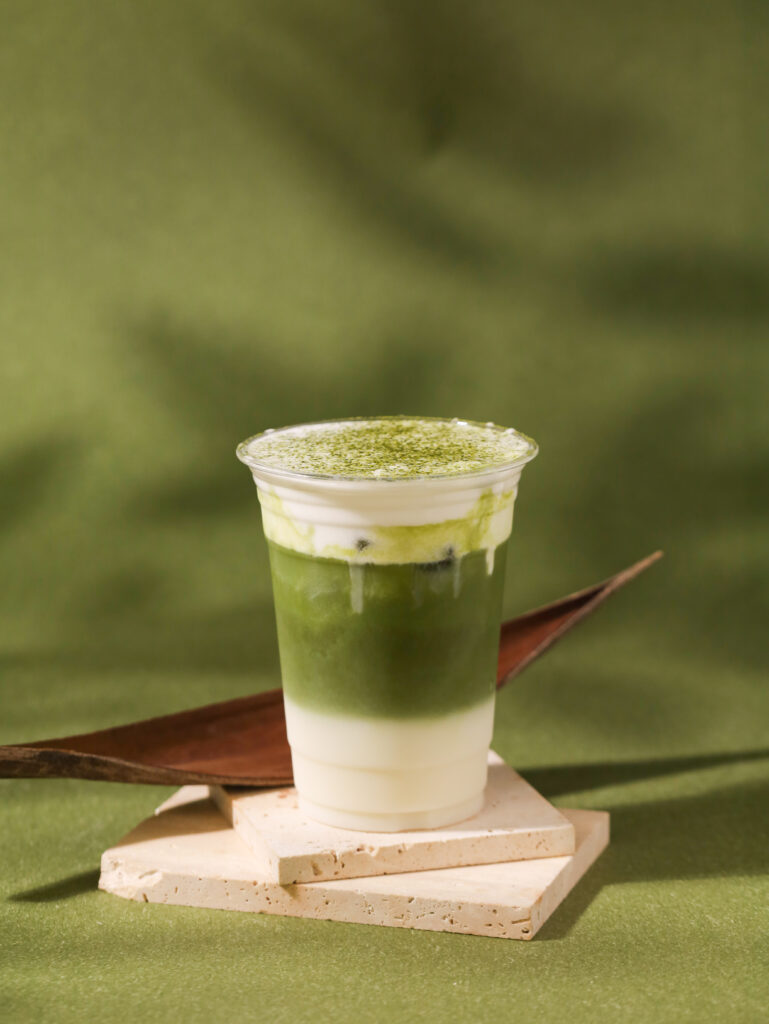
When you take your first sip of matcha milk tea, you notice a bold and earthy flavor. Matcha comes from finely ground green tea leaves, so it tastes grassy and fresh. The creamy texture from the milk blends with the matcha, making each sip smooth but still a little thick. If you add boba, you get a chewy surprise that makes the drink even more fun.
Milk tea gives you a different experience. You taste a classic milk tea flavor that feels familiar and comforting. Most milk tea uses black tea, which has a straightforward taste. The milk makes it creamy, but the texture stays light and smooth. You can drink milk tea with or without boba, but the pearls usually add a soft bite.
Here’s a quick table to help you compare:
| Drink | Flavor Notes | Texture with Boba |
| Matcha milk tea | Earthy, grassy, bold | Creamy, chewy |
| Milk tea | Classic, mellow | Smooth, soft |
Tip: If you want something fresh and unique, try matcha with fresh milk. You get a richer matcha taste and a silky texture.
Preferences
You might wonder which drink fits your taste. If you like strong flavors and want something different, matcha milk tea could be your favorite. The earthy taste stands out, and the creamy base makes it special. Some people love the way matcha milk tea feels with boba, especially when they want a snack and a drink at the same time.
If you prefer a gentle and familiar taste, milk tea is a safe choice. Many people pick milk tea because it reminds them of comfort and warmth. Classic milk tea works well if you want a simple drink that goes with any meal or snack. You can choose different teas for your milk tea, but black tea is the most popular.
Here are some things you might think about when choosing:
- Do you want a bold, earthy flavor or a mellow, classic taste?
- Are you looking for a creamy texture or something lighter and smoother?
- Do you enjoy chewy boba pearls, or do you like your drink plain?
No matter what you pick, both matcha milk tea and milk tea offer something special. You can switch between them depending on your mood or the season. Sometimes you want the energy from matcha, and other times you just want the comfort of milk tea.
Health Benefits of Matcha Milk Tea and Milk Tea
Antioxidants
You might wonder what makes matcha milk tea and milk tea good for your body. The answer often starts with antioxidants. Matcha comes from green tea leaves, which pack a punch of antioxidants. These tiny helpers fight cell damage and may lower your risk of chronic diseases. When you drink matcha milk tea, you get more antioxidants than you would from classic milk tea.
Here’s a quick look at how these drinks stack up:
| Health Benefit | Description |
| Antioxidants | Matcha contains antioxidants that may reduce cell damage and prevent chronic disease. |
| Liver Protection | Some studies suggest matcha could prevent liver damage and decrease the risk of liver disease. |
| Cognitive Enhancement | Research indicates that components in matcha may help enhance brain function. |
| Heart Health | Studies show that green tea and matcha can decrease several heart disease risk factors. |
| Weight Loss | Green tea extract may increase metabolism and fat burning, aiding in weight loss. |
You get some antioxidants from milk tea, but not as many as you do from matcha. Black tea, which is the base for most milk tea, has its own benefits, but matcha stands out for its higher antioxidant content.
One of the main health benefits of green tea is catechin, which is good for your heart, blood flow, and much more. A protein found in milk called caseins makes a chemical reaction with catechin, reducing its health benefits. Drinking tea with milk reduces the benefit of catechin, which relaxes blood vessels, compared to drinking with water. It’s important to note that while casein in milk interacts with catechins, other beneficial compounds in green tea, such as antioxidants like tannins and flavonoids, remain largely unaffected by milk.
Nutrition
Let’s talk about what you actually get when you drink matcha milk tea or milk tea. Matcha gives you vitamins like vitamin C, vitamin A, and vitamin K. You also get minerals such as potassium and magnesium. These nutrients help your body stay strong and healthy. If you choose matcha with fresh milk, you add calcium and protein from the milk, which helps your bones and muscles.
Milk tea offers a different set of nutrients. Black tea has some antioxidants and minerals, but not as many as matcha. The milk in milk tea gives you calcium and vitamin D. If you pick classic milk tea, you get a simple mix of tea and milk, which is easy on your stomach and can be comforting.
You might notice that both drinks can be healthy, but matcha milk tea usually has more vitamins and minerals. If you want a boost for your brain or heart, matcha is a smart choice. If you want something gentle and soothing, milk tea is a good option.
It’s crucial to understand that adding milk to green tea is not harmful to your health in any way. The common myth that milk and tea together create harmful substances has been thoroughly debunked by scientific studies. Instead, the interaction simply leads to a reduction in some of the tea’s antioxidant benefits, primarily due to milk proteins binding with catechins.
Sugar Content
Sugar can change how healthy your drink is. Both matcha milk tea and milk tea often come sweetened, especially if you buy them from a shop. Too much sugar can lead to weight gain, tooth decay, and other health problems. You should always check how much sugar is in your drink.
Here are some tips to help you make a healthier choice:
- Ask for less sugar when you order milk tea or matcha milk tea.
- Try unsweetened versions if you want to cut down on sugar.
- Choose fresh milk instead of sweetened condensed milk for a lighter taste.
If you make your own matcha milk tea at home, you control the sugar. You can use honey, stevia, or skip sweeteners altogether. The same goes for milk tea. You decide how sweet you want it.
| Drink | Typical Sugar Content (per 16oz) | Health Impact |
| Matcha milk tea | 20-35g | May be high; adjust to taste |
| Milk tea | 20-40g | Can be high; ask for less |
You don’t have to give up your favorite drink. Just remember, less sugar means a healthier treat. If you want a bold flavor with less sugar, matcha milk tea is a great pick. If you love classic milk tea, try it with less sweetener for a lighter option.
Caffeine in Matcha Milk Tea and Milk Tea
Caffeine Levels
If you care about caffeine, you probably want to know how much is in your cup. Both matcha milk tea and milk tea can give you a boost, but the amount depends on what you order. Matcha usually packs more caffeine than regular green tea. When you drink matcha milk tea, you get caffeine from the matcha powder. The amount can change based on how much matcha is used. A standard serving of matcha milk tea uses about 2-4 grams of matcha. That means you might get anywhere from 40 to 180 mg of caffeine in one cup. Most matcha lattes, which are similar to matcha milk tea, have between 50 and 150 mg of caffeine.
Milk tea is different. The caffeine comes from the tea base, usually black tea. Black tea has less caffeine than matcha. A regular cup of milk tea might have about 30 to 60 mg of caffeine. If you choose green tea milk tea, you get even less—around 30 mg per cup. Here’s a quick table to help you compare:
| Drink | Caffeine per Serving (mg) |
| Matcha milk tea | 40-180 |
| Black tea milk tea | 30-60 |
| Green tea milk tea | ~30 |
Tip: If you want a stronger kick, go for matcha milk tea. If you want something lighter, regular milk tea is a safe bet.
Effects
Caffeine can help you feel awake and focused. You might notice that matcha milk tea gives you a steady energy boost. The caffeine in matcha releases slowly, so you don’t crash as fast as you might with coffee. Milk tea gives you a gentle lift, which is nice if you want to avoid jitters.
You should know the recommended daily caffeine limit for adults is 400 mg. One cup of matcha milk tea can get you close to half that amount, depending on how much matcha is used. Milk tea usually stays well below the limit, so you can enjoy more than one cup if you like.
Here are some things to keep in mind:
- Matcha milk tea is great for mornings or when you need to focus.
- Milk tea works well for relaxing or pairing with snacks.
- If you’re sensitive to caffeine, start with milk tea and see how you feel.
You can always ask for less matcha or choose decaf milk tea if you want to cut down on caffeine. Both drinks let you control your energy level, so you get the boost you need without going overboard.
Customization and Versatility
You can make both matcha milk tea and milk tea fit your taste and your diet. These drinks let you pick what goes in your cup. You might want a vegan drink, a low-sugar treat, or something that matches your favorite recipe. You have many choices.
Here’s a table to show how you can change your drink:
| Customization Type | Options Available |
| Plant-based Milk | Coconut milk, almond milk, oat milk, soy milk, vegan creamer |
| Sweetener | Agave, maple syrup, coconut sugar, regular sugar, sugar alternatives (like swerve/erythritol) |
You can use non-dairy milk for a vegan recipe. You can also pick your sweetener to make your drink less sugary. Some people even try a Bulletproof Keto Matcha Latte. This recipe uses coconut milk and MCT oil. It fits keto and gluten-free diets and gives you lots of healthy fats.
Best Matcha Bubble Milk Tea Options
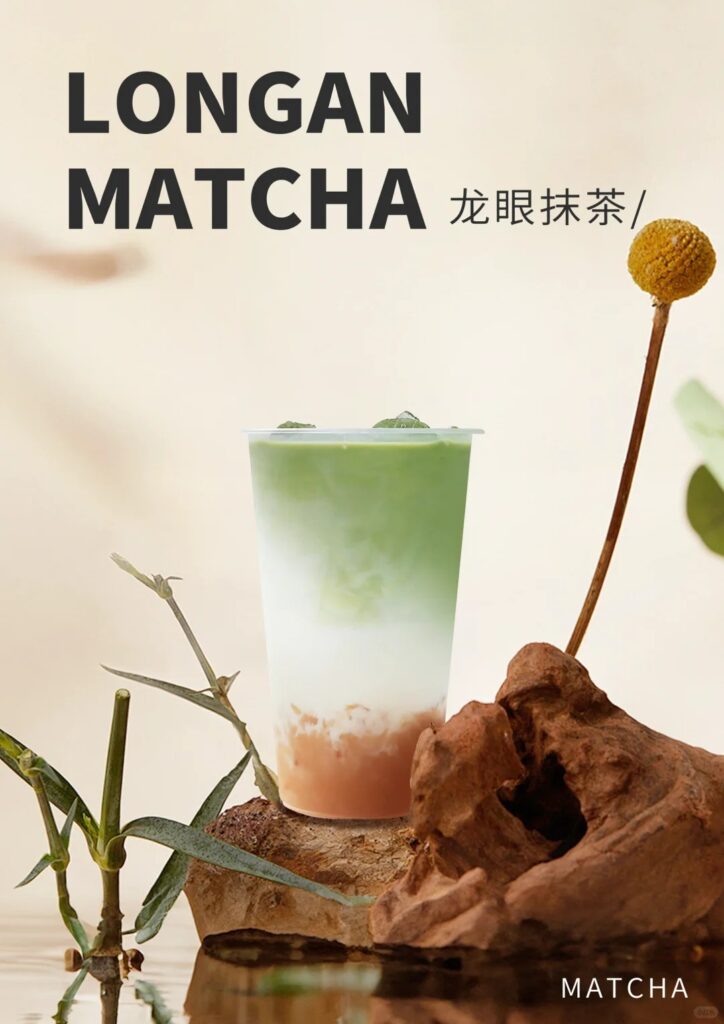
You have many ways to enjoy matcha milk tea. The best matcha bubble milk tea often uses fresh matcha powder and chewy boba. You can try different recipes, like matcha red bean milk tea, which adds sweet red beans for extra flavor. Some shops offer matcha lattes with oat milk or almond milk. You can even find matcha in desserts, smoothies, and sometimes in cocktails. People love matcha for its bright color and health benefits. You might see matcha drinks all over social media because they look so cool.
Tip: Try making your own recipe at home. Use your favorite plant-based milk and a sugar alternative for a healthy twist.
Milk Tea Variations
Milk tea comes in many styles from around the world. You can try a classic bubble tea with tapioca pearls. Hong Kong milk tea uses strong black tea and evaporated milk for a rich taste. Cheese milk tea has a creamy, salty cheese foam on top. Masala chai is a spiced milk tea from India, full of warm spices. Each recipe gives you a new way to enjoy milk tea.
Here’s a table of popular milk tea types:
| Type of Milk Tea | Description |
| Bubble Tea | Classic Taiwanese milk tea with tapioca pearls. |
| Hong Kong Milk Tea | Strong black tea with evaporated milk, giving it a richer, creamier taste. |
| Cheese Milk Tea | A unique blend of tea with a creamy, slightly salty cheese foam. |
| Masala Chai | Indian spiced milk tea, known for its aromatic spices. |
You can always change your recipe to fit your needs. Use plant-based milk, pick your sweetener, or add fun toppings. Milk tea and matcha milk tea both let you get creative. You can try a new recipe every week and never get bored.
Value for Money
Cost
When you look at prices, you might notice that matcha milk tea usually costs more than regular milk tea. The reason comes from how matcha is made. Here’s what makes matcha milk tea a premium choice:
- Farmers shade green tea plants for almost a month before picking. This step boosts nutrients in the leaves.
- The first harvest uses the best leaves, while later harvests use lower quality ones.
- After picking, leaves get steamed and dried to keep their flavor and nutrients.
- Workers remove stems and veins from the leaves to make the matcha smoother.
- The leaves are ground slowly on granite stones until they turn into fine matcha powder.
All these steps take time and skill. That’s why matcha milk tea often costs more at cafes. Regular milk tea uses black tea or other teas, which need less work and fewer steps. If you want to save money, you can make homemade milk tea or homemade milk tea with simple ingredients. You just need tea bags, milk, and sugar.
Here’s a quick table to compare:
| Drink | Typical Price (Cafe) | Why It Costs More |
| Matcha milk tea | $5-$7 | Premium tea, complex process |
| Milk tea | $3-$5 | Simple tea, easy preparation |
Tip: Making your own milk tea at home can help you save money and control the quality.
Accessibility
You can find milk tea almost everywhere. Many bubble tea shops, cafes, and restaurants offer milk tea on their menu. You can buy tea bags at the grocery store and make milk tea at home. Matcha milk tea is getting more popular, but some places might not have it. You may need to visit a specialty cafe or order matcha powder online.
Matcha has a lower environmental footprint than regular tea because you use the whole leaf. This means less waste. The type of milk you choose also matters. Oat milk is a good choice if you care about the planet. Almond milk uses a lot of water, so it’s less eco-friendly.
If you want a drink that’s easy to find and make, milk tea is the winner. You can enjoy it at home, at school, or with friends. Matcha milk tea is special, but you might need to search a little more to get it.
You can always try new recipes and make your own milk tea or matcha milk tea at home. It’s fun and lets you pick your favorite flavors.
You get to choose which drink fits your life. If you want energy and a bold taste, matcha milk tea stands out. Many experts say it gives you a strong boost. Some people like the way it wakes them up. If you want comfort, milk tea is a classic. You see milk tea everywhere. People love milk tea for its smooth flavor. Some drink milk tea to relax. You can try milk tea hot or cold. You find milk tea in many styles. You can add boba to milk tea. You can pick milk tea with different teas. You can make milk tea at home. You can share milk tea with friends. Both drinks have special strengths. Why not try both and see which one you like best?
FAQ
Can I make matcha milk tea at home?
Yes, you can! You just need matcha powder, milk, and a sweetener. Mix the matcha with hot water, add milk, and stir. You can add ice or boba if you want.
Is matcha milk tea healthier than regular milk tea?
Matcha milk tea gives you more antioxidants and vitamins. Regular milk tea has fewer nutrients. If you want a health boost, matcha is a better choice.
Does matcha milk tea taste bitter?
Matcha can taste a little bitter, especially if you use too much powder. You can add more milk or sweetener to make it smoother and sweeter.
Which drink has more caffeine?
Matcha milk tea usually has more caffeine than regular milk tea. If you want a stronger energy boost, pick matcha. If you want less caffeine, choose regular milk tea.
Can I order milk tea without boba?
Yes! You can order milk tea with or without boba. Some people like the chewy pearls, but you can skip them if you want a smoother drink.