
Introduction: A New Star in the Milk Tea World
In the global beverage market, trends shift rapidly — yet certain drinks manage to rise above the noise and create lasting impact. One such emerging favorite is **hojicha milk tea**, a roasted green tea beverage that combines the comforting warmth of Japanese tea culture with the creamy indulgence of modern milk tea.
For café owners, tea exporters, and beverage brand developers, hojicha milk tea represents both an aesthetic and functional opportunity: it delivers a unique roasted flavor profile, pairs beautifully with various bases, and meets consumer demand for “authentic yet modern” drinks. As the demand for Japanese-inspired beverages grows worldwide, understanding how to position, prepare, and promote hojicha milk tea can give brands a powerful edge in the premium drink market.
What Is Hojicha?
Before exploring the milk tea concept, it’s important to understand the essence of **hojicha** itself. Originating in Kyoto, Japan, hojicha (ほうじ茶) is made by roasting green tea leaves — often sencha or bancha — over high heat. This roasting process gives the tea its signature **brown color**, **toasted aroma**, and **smooth, nutty flavor**, quite distinct from the grassy bitterness of regular green tea.
Unlike matcha, hojicha is **low in caffeine** because the roasting breaks down much of the tea’s caffeine content. This makes it appealing for a wide demographic — from health-conscious adults to younger consumers seeking an evening-friendly beverage that won’t disturb sleep.
The Flavor Advantage of Hojicha Milk Tea
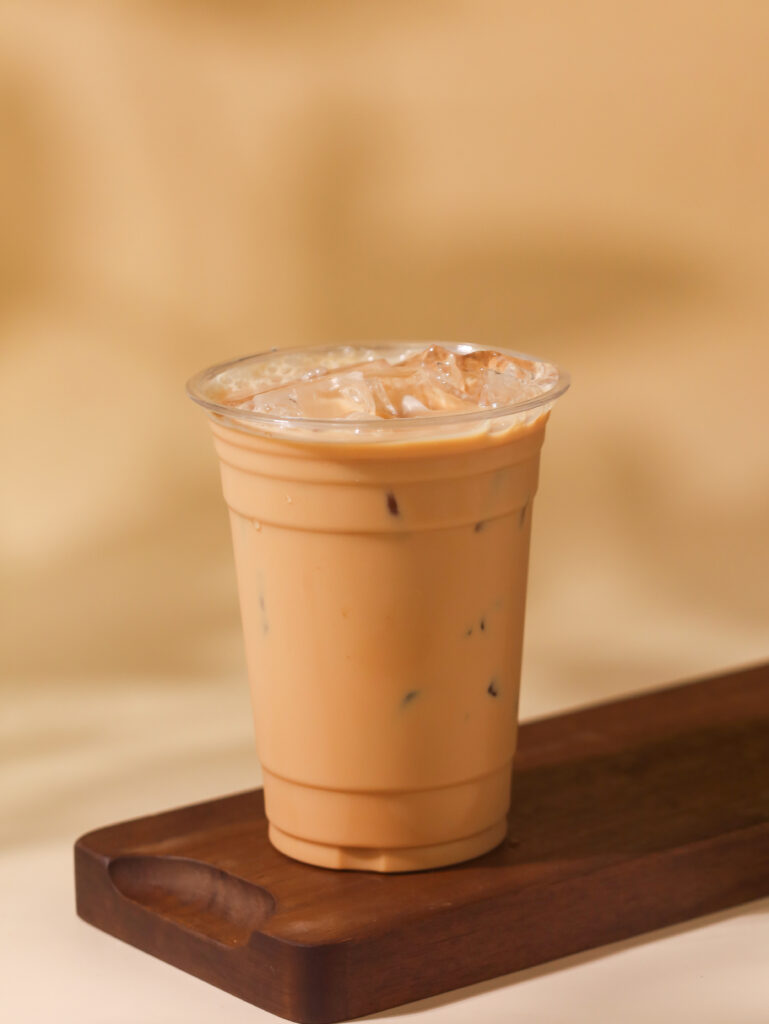
When blended with milk or plant-based alternatives, hojicha transforms into a **rich and mellow drink** that balances sweetness with umami depth. The roasted notes evoke hints of **caramel, cocoa, and barley**, making it ideal for pairing with dairy or oat milk.
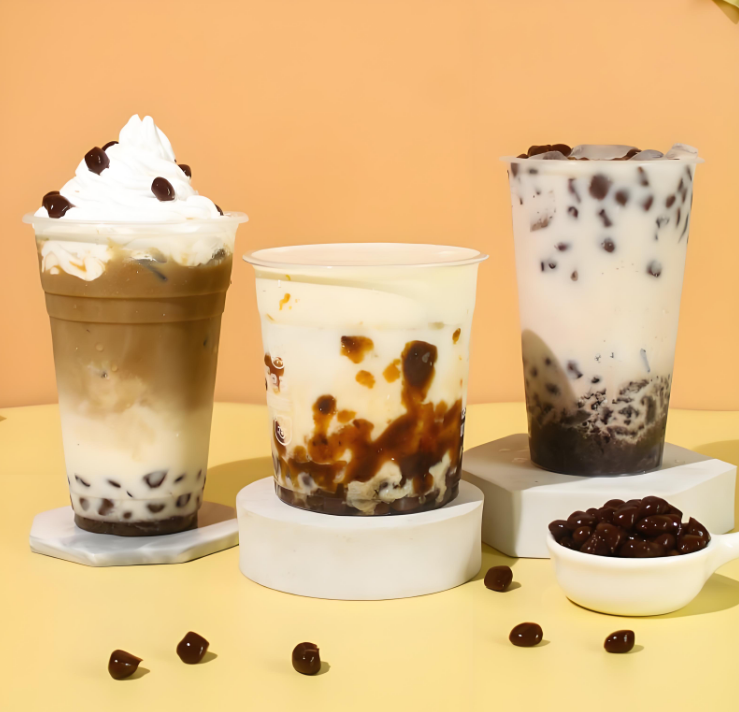
For beverage developers, this combination provides several advantages:
* **Versatility:** Works in both hot and iced formats.
* **Distinct identity:** Unlike matcha milk tea, hojicha milk tea offers a deeper, less grassy taste profile.
* **Premium positioning:** The association with Japanese culture and artisanal roasting enhances perceived quality.
This makes hojicha milk tea particularly attractive for **milk tea brands**, **third-wave coffee shops**, and **Asian-inspired dessert cafés** seeking to differentiate their menu offerings.
How to Make Hojicha Milk Tea: Core Ingredients and Process
For businesses interested in adding hojicha milk tea to their menu, consistent flavor and efficient preparation are key. Below is a step-by-step guide tailored for professional beverage operations.
**1. Hojicha Base**
You can use either **hojicha loose leaves** or **hojicha powder**.
* *Loose Leaf Method:* Brew 5–7g of hojicha tea per 200ml of water at 90°C for 2–3 minutes.
* *Powder Method:* Whisk 2–3g of hojicha powder with 50ml hot water until smooth.
The powder form is more efficient for cafés and milk tea chains, as it dissolves quickly and ensures consistent strength across batches.
**2. Milk Component**
Traditional options include **whole milk**, **non-dairy milk** (oat, soy, or almond), or **milk powder base** for bubble tea operations.
For a creamier texture, some shops mix milk with **non-dairy creamer** or use **foamed milk** for a latte-style presentation.
**3. Sweetener**
Typical ratios use **10–20ml of sugar syrup** per 400ml drink, adjusted to taste.
Brown sugar, honey, or Okinawan black sugar syrup can complement hojicha’s roasted character beautifully.
**4. Optional Add-Ons**
* **Tapioca pearls (boba)** for classic milk tea shops
* **Cheese foam topping** for modern fusion cafés
* **Whipped cream and cocoa dust** for dessert-style beverages
* **Ice cream or custard pudding** for premium signature drinks
**5. Serving Style**
Hojicha milk tea can be served **hot or iced**, depending on season and customer preference.
* *Hot:* Smooth and comforting, ideal for café winter menus.
* *Iced:* Refreshing, aromatic, and perfect for summer launches.
Why Coffee Shops Are Adopting Hojicha Drinks
The modern coffee industry increasingly blends tea culture with café aesthetics. As consumer palates evolve beyond espresso and matcha, hojicha offers a **warm, roasted alternative** that aligns with the flavor expectations of coffee drinkers.
For coffee shops, hojicha milk tea serves several purposes:
1. **Non-caffeine option:** Many customers seek lower-caffeine beverages without losing complexity.
2. **Cross-cultural appeal:** Japanese ingredients carry strong visual and cultural associations with craftsmanship and quality.
3. **Menu differentiation:** Offering hojicha lattes or hojicha cold brews gives cafes a unique product that’s both Instagram-worthy and seasonally flexible.
Many third-wave coffee brands now introduce “Hojicha Latte,” “Hojicha Oat Milk Latte,” or “Hojicha Brown Sugar Milk” to attract tea drinkers and diversify their beverage portfolio.
Integration into Bubble Tea and Milk Tea Shops
For milk tea chains, hojicha milk tea opens new product categories under the **“Japanese Roasted Tea Series.”** Compared to traditional black tea or oolong bases, hojicha brings a comforting roasted depth that appeals to consumers seeking sophistication over sweetness.
**Applications in Bubble Tea Menus**
* **Classic Hojicha Milk Tea with Pearls:** A balanced, nutty alternative to the typical Assam or Ceylon milk tea.
* **Hojicha Cheese Foam Tea:** Combines roasted aroma with creamy foam texture — a proven best-seller in Asia.
* **Hojicha Latte with Brown Sugar Tapioca:** Captures the trend of “brown sugar milk” but with a more subtle, mature flavor.
* **Hojicha Fresh Milk:** Pure hojicha base with chilled milk, emphasizing quality over sweetness.
Shops in markets like Taiwan, Singapore, and Canada report increasing sales from these hojicha-based offerings, especially among young adults who prefer “less sweet” drinks with authentic flavor depth.
Hojicha Milk Tea in the Global Market
The international beverage industry is now witnessing a **steady rise in demand for hojicha-based drinks**. According to market reports, the global hojicha powder and tea market is expanding alongside the growth of Japanese and bubble tea franchises in North America, the Middle East, and Europe.
**Key Growth Drivers**
1. **Health awareness:** Low caffeine, rich antioxidants, and natural ingredients align with current wellness trends.
2. **Cultural influence:** The global popularity of Japanese cuisine and lifestyle brands fuels consumer curiosity for authentic Japanese drinks.
3. **Social media aesthetics:** The warm brown color of hojicha milk tea photographs beautifully, appealing to younger audiences on Instagram and TikTok.
4. **Menu innovation:** Café owners use hojicha not only for drinks but also for desserts — hojicha cakes, ice creams, and parfaits — creating cross-selling opportunities.
As a result, distributors and ingredient exporters who specialize in Japanese tea products can capitalize by offering **hojicha tea powder**, **hojicha syrup**, or **ready-to-mix bases** tailored for both milk tea and coffee channels.
How Beverage Brands Can Position Hojicha Milk Tea
From a branding perspective, positioning hojicha milk tea successfully requires combining **authenticity, aesthetics, and convenience**.
Here are several effective strategies:
1. **Highlight the Japanese origin** — emphasize Kyoto roots, artisanal roasting, and traditional craftsmanship.
2. **Promote “roasted comfort” over “green freshness”** — differentiating it from matcha’s grassy image.
3. **Offer seasonal promotions** — for example, a “Winter Roasted Tea Latte Series” featuring hojicha-based drinks.
4. **Leverage cross-platform visuals** — warm tones and latte art featuring hojicha powder perform exceptionally well online.
5. **Provide product versatility** — supply both powder and liquid concentrate forms for professional use.
For B2B distributors, showcasing how hojicha milk tea integrates seamlessly into existing equipment and workflows (just like matcha or black tea) reassures buyers of its operational ease.
Product Development: Creating Your Own Hojicha Milk Tea Line
If you’re a tea manufacturer, café brand, or OEM beverage supplier, here’s how you can develop your own hojicha milk tea line efficiently.
1. **Sourcing:** Partner with reliable hojicha producers in Japan or certified exporters who ensure consistent roasting and flavor.
2. **Formulation:** Adjust powder fineness and solubility for milk tea applications — ideal ratio 2–3g per 400ml drink.
3. **Flavor testing:** Conduct side-by-side tests using various milk bases and sweetness levels to match local market preferences.
4. **Brand storytelling:** Incorporate Japanese elements in packaging design — bamboo motifs, calligraphy, or Kyoto-style imagery.
5. **Training & consistency:** Educate café staff or franchise partners on proper whisking, brewing, and presentation to maintain uniformity.
This level of development not only enhances customer satisfaction but also builds long-term brand recognition associated with premium Japanese beverage experiences.
Consumer Insights: Why Hojicha Milk Tea Resonates
Modern consumers are increasingly **experience-driven**. They want drinks that tell a story, feel authentic, and provide emotional comfort. Hojicha milk tea checks all these boxes:
* **Cultural authenticity:** Rooted in traditional Japanese tea.
* **Sensory satisfaction:** Aromatic, creamy, and visually distinctive.
* **Emotional appeal:** Evokes warmth and calm — ideal for moments of relaxation.
Surveys in North American and European markets show growing curiosity toward hojicha among matcha drinkers who are seeking new but familiar flavor experiences. By positioning hojicha milk tea as both **exotic and comforting**, beverage brands can attract repeat customers and long-term loyalty.
The Future of Hojicha Milk Tea
As the global tea and café industries continue to evolve, hojicha milk tea stands poised to become the **next major flavor movement** following matcha.
From B2B perspectives:
* **Ingredient exporters** can develop hojicha powders tailored for beverage and dessert applications.
* **Café chains** can innovate with roasted tea lattes and signature foam-topped drinks.
* **Milk tea franchises** can integrate hojicha into seasonal promotions or premium menu categories.
The versatility, aesthetic appeal, and cultural story of hojicha make it an ideal foundation for sustainable product growth.
Conclusion: A Roasted Path to Innovation
Hojicha milk tea is more than just a trend — it’s a bridge between traditional Japanese tea culture and the evolving demands of global beverage consumers.
For manufacturers, café operators, and beverage entrepreneurs, investing in hojicha products means aligning with the future of premium tea innovation.
Whether used in **bubble tea shops**, **coffee cafés**, or **international franchise menus**, hojicha milk tea offers something rare: a taste that’s both nostalgic and new. Its roasted aroma, creamy texture, and calming energy embody the modern beverage industry’s direction — quality, culture, and comfort in every sip.