
When you see the black balls in boba drinks, you might wonder why they look so dark. Tapioca black pearls get their deep color from brown sugar or caramel coloring added to the white tapioca starch. Before cooking, tapioca pearls start out white or off-white, and the black boba color comes from extra ingredients. You will also find boba in many colors, such as golden or even green, depending on what is mixed in. Some bubble tea shops use popping boba or jelly boba for more bubble colors and fun textures. The black boba stands out in bubble tea and makes every sip exciting.
Key Takeaways
- Black tapioca pearls are black because of brown sugar or caramel coloring. These are added when cooking. The pearls start as white tapioca starch.
- You can make boba at home. Mix tapioca starch with water. Add things like brown sugar or fruit juice. This changes the color and flavor.
- Boba pearls come in many colors. Some are white, golden, green, pink, or blue. People use natural or fake colorings to make them.
- There are other types besides chewy pearls. Popping boba and jelly pearls have fun textures. They also have fruity flavors for bubble tea.
- Trying different boba types and colors is fun. It makes bubble tea more exciting. You can find your favorite flavors this way.
Why Are Tapioca Black Pearls Black
Tapioca Starch and Natural Color
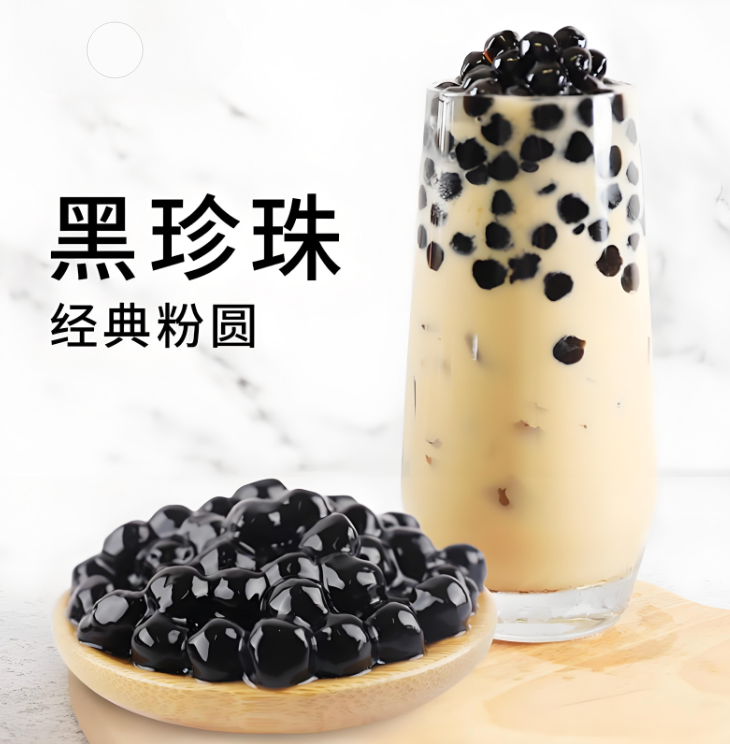
When you see black balls in boba, they did not start that way. Tapioca pearls are made from tapioca starch, which comes from the cassava root. Workers clean and peel the cassava, then grate it. They wash it to get the starch out. The starch settles and dries into a fine powder. If you only use this starch and water, the pearls turn out white or clear. These pearls taste mild and feel chewy. But they do not look as bold as black boba.
Did you know? At first, tapioca pearls in Taiwan were white. Tea shops later tried new colors and flavors.
Brown Sugar and Caramel Coloring
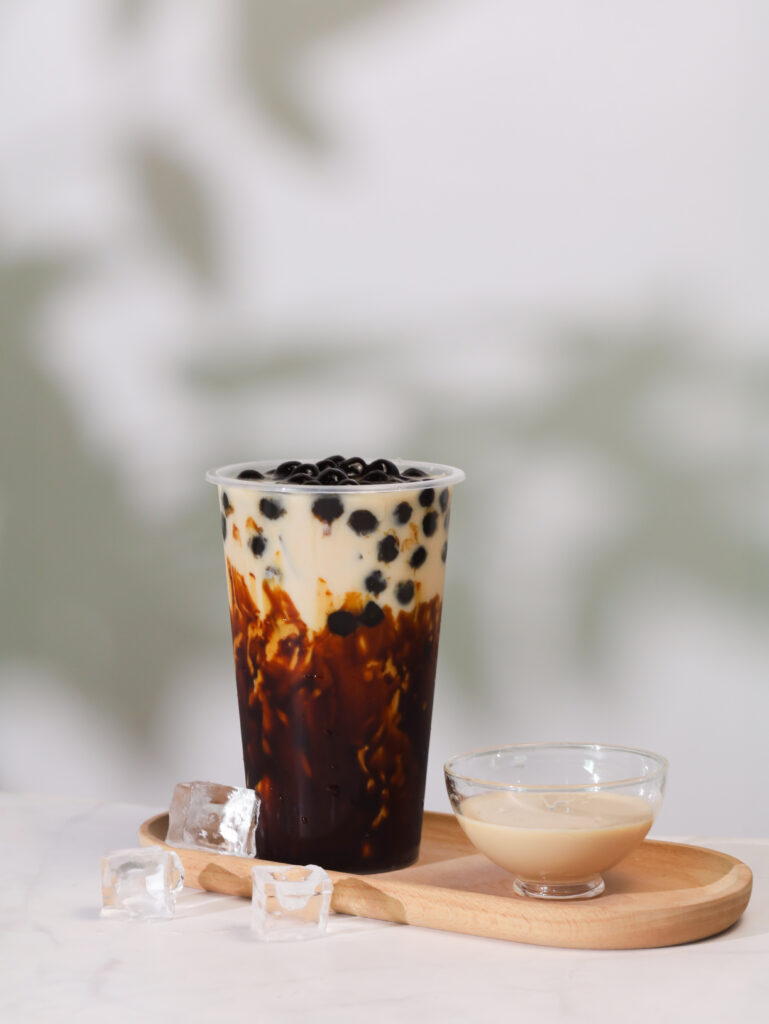
To make tapioca black pearls, you need more than just starch. Brown sugar or caramel coloring gets added when cooking. Cooking pearls in brown sugar syrup makes the sugar soak in. This gives black boba its dark color and sweet taste. The syrup keeps the pearls soft and chewy, even when cool. Some companies use black food coloring or caramel coloring to make them darker. Brown sugar pearls can have stripes, but caramel coloring makes them look solid black. Brown sugar gives a stronger flavor than caramel coloring.
Here’s a quick look at what goes into making black boba:
| Ingredient | Purpose |
| Tapioca starch | Main base for pearls |
| Brown sugar syrup | Adds color, flavor, and texture |
| Caramel coloring | Deepens the black color |
| Black food coloring | Used in some commercial pearls |
If you see black balls in boba drinks, they are made with this special process.
Popularity of Black Boba
Black boba is the most famous type of boba. You can find it in almost every bubble tea shop. The chewy black pearls make each sip fun. People like how the dark pearls look in creamy tea. The first bubble tea in Taiwan used black tea and black boba. This started the trend. As bubble tea spread, black boba became a symbol of the drink.
Many young people like to pick their own teas, toppings, and sweetness. Black boba is great for this. Social media helps too. Pictures of bubble tea with black boba get lots of likes. Shops use black boba in new flavors and team-ups with movies or games. This makes it even more popular. For many, drinking bubble tea with black boba is not just about taste. It is also a way to hang out with friends and share culture.
Tip: When you order bubble tea, try black boba and white boba. See which one you like best!
How Tapioca Pearls Are Made
Basic Ingredients and Process
When you start making boba at home, you use simple ingredients. Tapioca starch, which comes from the cassava root, forms the base of all tapioca pearls. You mix the starch with water until the dough feels smooth and stretchy. If you want to try making boba yourself, follow these steps:
- Mix tapioca starch and water to create a soft, elastic dough.
- Roll the dough into thin cylinders, about 1 cm thick.
- Slice the cylinders into small pieces and roll each piece into a ball. This gives you the classic round shape of homemade boba.
- Boil a large pot of water. Drop the pearls in and stir gently so they do not stick together.
- Boil the pearls for 15-20 minutes until they float and turn translucent.
- Cover the pot and simmer for another 10-15 minutes. This step makes the pearls chewy.
- Let the pearls rest off the heat for 10 minutes. They soak up moisture and finish cooking.
- Drain and rinse the pearls under cold water to stop the cooking process.
- Place the pearls in ice water for about 5 minutes. This keeps them from getting too soft or sticky.
- Drain again and coat the pearls with a little syrup or honey to prevent sticking.
Tip: If you want to store your homemade boba, keep them in an airtight container in the fridge for up to two days.
In commercial settings, shops use special machines to speed up making boba. Some machines can make up to 22 kilograms of pearls per hour. These machines help keep the pearls the same size and texture every time.
Ingredient Variations for Color
You can change the look and taste of homemade boba by using different ingredients. The most common way to make homemade black boba is to add brown sugar or dark muscovado sugar to the dough. This gives the pearls a deep color and a rich, sweet flavor. If you use honey or light brown sugar, your tapioca pearls will turn out golden and have a lighter taste.
For fun colors, try adding fruit juices or purees. Mango, strawberry, or even ube can give your homemade boba bright shades and new flavors. Some people use matcha powder for green pearls or blue pea powder for blue ones. If you want very bold colors, you can use artificial coloring, but many people prefer natural options.
| Coloring Agent Type | Examples / Sources |
| Natural Coloring Agents | Brown sugar, blueberry juice, ube powder, matcha, mango, strawberries, dragon fruit, passion fruit |
| Artificial Coloring | FD&C Red No. 40, FD&C Yellow No. 5, FD&C Blue No. 1 |
Changing the ingredients can also change the texture. Mixing coconut milk with water makes milky white pearls. Adding a little cornflour or potato starch makes the dough firmer and the pearls chewier. If you use fruit powders, you may need to add more water because they absorb more moisture.
Note: When making boba with fruit or natural coloring, you may need to adjust the acidity to keep the colors bright.
Making boba at home lets you experiment with flavors and colors. You can create homemade black boba, golden pearls, or even rainbow boba. Every batch can look and taste different, depending on what you add.
Colors of Tapioca Pearls and Boba
White and Clear Pearls
You might notice that not all boba pearls are black. White and clear boba pearls look translucent or crystal clear. These pearls come from tapioca starch, which is made from cassava root. When you add them to your drink, they do not have much flavor. Instead, they absorb the taste of the tea or milk. If you want a chewy texture without extra sweetness, clear boba pearls work best. Black pearls taste richer because they soak in brown sugar or caramel, but clear pearls let you enjoy the original flavor of your drink.
Tip: Try clear boba pearls if you like strong tea or fruit flavors. They will not change the taste of your drink.
Golden and Honey Pearls
Golden and honey boba pearls bring a warm, light color to your cup. You get golden pearls by using less brown sugar than black pearls. This gives them a lighter golden color and a milder taste. Honey boba pearls use honey or honey syrup instead of sugar syrup. This change gives them a unique flavor and a similar golden color. Both types still use tapioca starch, so you get the same chewy texture. The table below shows how these boba pearls differ:
| Type | Main Sweetener | Color | Flavor Profile |
| Golden boba pearls | Brown sugar (less) | Light golden | Mild, sweet |
| Honey boba pearls | Honey syrup | Golden | Floral, honey-sweet |
| Black boba pearls | Brown sugar (more) | Dark brown/black | Rich, caramel-like |
Green, Pink, and Blue Pearls
You can find boba pearls in bright colors like green, pink, and blue. Some shops use natural colorants, while others use artificial dyes. For blue pearls, butterfly pea flower gives a natural blue shade. Pink pearls often use artificial food coloring, such as FD&C Red No. 40. Green pearls may use matcha powder for a natural look, but many use artificial colorings. Naturally colored boba appeals to people who want safer and more natural options. Always check with your shop if you want to know what kind of coloring they use.
| Color | Natural Colorant | Artificial Colorant |
| Blue | Butterfly pea flower | FD&C Blue No. 1 |
| Pink | — | FD&C Red No. 40 |
| Green | Matcha (sometimes) | FD&C Yellow No. 5 + Red No. 40 |
Note: Food safety rules require shops to label artificial colors. Some people prefer natural colorants like beetroot for health reasons.
Unique and Seasonal Colors
Bubble tea shops love to surprise you with new boba colors and flavors. You might see pumpkin-spice pearls in the fall or matcha-kissed pearls in spring. Some brands offer fruit-flavored boba pearls, such as mango, passion fruit, or watermelon. These seasonal and limited-edition boba pearls make your drink look exciting and encourage you to try new flavors. Shops often use social media to show off these special colors, which makes more people want to visit and try them.
- Seasonal boba pearls create excitement and make each visit feel special.
- Limited-edition colors and flavors can make you want to come back before they disappear.
- Collaborations with popular brands or influencers bring in new fans and keep boba trends fresh.
You can always find new colors and flavors in the world of boba. Each season brings something different, so you never get bored with your drink.
Other Boba Varieties and Flavors
Bubble tea shops have more than just classic boba pearls. You can try many types of boba pearls. Each type has its own texture, flavor, and color. Two favorites are popping boba and jelly pearls. These toppings make bubble tea more fun.
Popping Boba Colors
Popping boba gives your drink a burst of flavor. It is not like regular boba pearls. Popping boba uses seaweed extract to make a thin skin. Inside, there is fruit juice. When you bite them, they pop and taste juicy. You do not have to cook popping boba. Just put them in your drink from the fridge.
Here is a table that shows how traditional boba pearls and popping boba are different:
| Aspect | Traditional Boba Pearls | Popping Boba |
| Ingredients | Tapioca starch from cassava root | Seaweed extract with fruit juice inside |
| Texture | Chewy, dense, and springy | Soft, pops with juicy burst |
| Preparation | Needs boiling and soaking in syrup | Ready to use, no cooking needed |
| Flavor | Mildly sweet, absorbs syrup | Intense, fruity flavors |
| Storage | Best fresh, can dry out overnight | Lasts up to a year in the fridge |
Popping boba comes in many bright colors and flavors. You can find yellow-orange mango, red strawberry, and purple blueberry. There are even white yogurt flavors. These colors make bubble tea look cool and taste fruity. Some shops have grape, passion fruit, or brown sugar popping boba. You can mix flavors to make your favorite drink.
Tip: Try two or three popping boba flavors for a colorful surprise.
Jelly Pearls and Fruit Flavors
Jelly pearls, also called crystal boba, give bubble tea a new feel. They are not made with tapioca starch. Jelly pearls use agar or gelatin. This makes them firmer and more jelly-like. Jelly pearls look clear or a little colored. They feel smooth when you chew them.
You can get jelly pearls in many fruit flavors. Coconut, lychee, and mango are the most common. These flavors make bubble tea taste sweet and tropical. Some shops have coffee, green tea, or passion fruit jelly pearls. Pick jelly pearls if you want a lighter topping with a fresh taste.
- Jelly pearls give your drink a bouncy texture.
- Fruit flavors like coconut and lychee make bubble tea special.
- You can mix jelly pearls with boba pearls or popping boba for more flavor.
With so many choices, you can try bubble tea in new ways each time. Try boba pearls, popping boba, and jelly pearls to find what you like best.
You now know that black boba gets its color from brown sugar or caramel coloring. Over the years, boba has grown from simple black boba in bubble tea to a world of colorful pearls and creative toppings. Shops offer everything from homemade boba to popping boba and jelly pearls. You can find boba in fruit smoothies, coffee, and even desserts.
- Try new flavors like ube, mango, or pandan for a fun twist.
- Mix homemade boba with popping boba for a unique drink.
Boba culture keeps changing. You can always find new colors and flavors to enjoy.
FAQ
What makes tapioca pearls chewy?
Tapioca starch gives pearls their chewy texture. When you cook the pearls, the starch absorbs water and forms a gel. This process creates the bouncy, chewy bite you enjoy in bubble tea.
Can you eat tapioca pearls by themselves?
You can eat tapioca pearls alone, but they taste best with syrup or in drinks. Plain pearls have little flavor. Most people enjoy them with sweeteners or in bubble tea for a better taste.
Are tapioca pearls gluten-free?
Yes, tapioca pearls are gluten-free. They come from cassava root, which does not contain gluten. If you have gluten allergies, you can safely enjoy most tapioca pearls.
How long do cooked tapioca pearls last?
Cooked tapioca pearls stay fresh for about 4 to 6 hours at room temperature. You can store them in syrup for up to two days in the fridge. After that, they turn hard and lose their chewy texture.
Do popping boba and tapioca pearls taste the same?
No, popping boba and tapioca pearls taste different. Popping boba bursts with fruity juice when you bite it. Tapioca pearls feel chewy and have a mild, sweet flavor. You can try both to see which you like more.