
Matcha jasmine tea offers you a refreshing blend with light, floral notes. You get vibrant matcha mixed with fragrant jasmine for a clean taste. If you want an easy way to try the fascinating world of matcha, this tea makes a great start. Explore a cup and enjoy something new.
Key Takeaways
- Matcha jasmine tea mixes the strong taste of matcha with the sweet smell of jasmine. This makes a fresh drink you can have hot or cold.
- This tea has lots of antioxidants. These help keep your body safe and may help stop some sicknesses. This makes it a good choice for health.
- To make matcha jasmine tea, use good matcha and jasmine tea. Sift the matcha powder first. Then whisk it with water that is less than 80°C for the best taste.
What Is Matcha Jasmine Tea
Origins
You might wonder where matcha jasmine tea comes from. This tea blends two special traditions. First, you have matcha, a finely powdered Japanese green tea. People make matcha by grinding tencha leaves into a bright green powder. This powder gives you a rich, earthy flavor and a boost of energy. Next, you have jasmine tea. Jasmine tea uses green tea leaves scented with fresh jasmine flowers. The flowers infuse the tea with a sweet, floral aroma. When you mix these two, you get a drink that feels both classic and new.
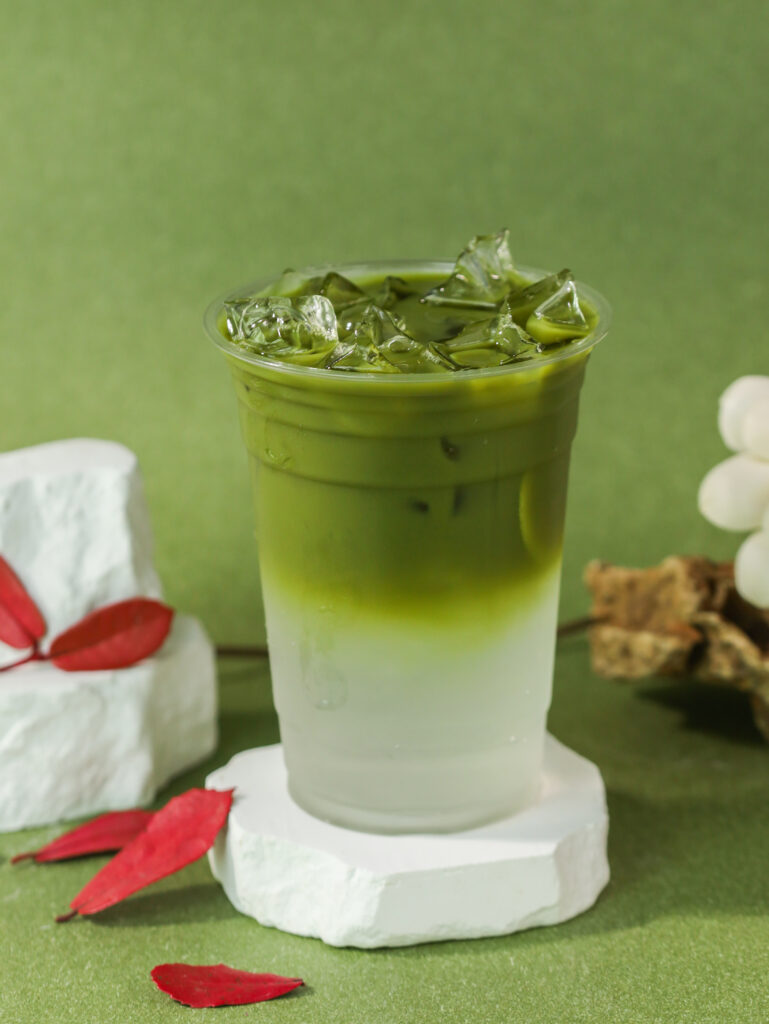
Matcha jasmine tea often shows up as an iced drink. You can enjoy it cold on a warm day. Many people love how easy it is to prepare. You do not need to follow a strict tradition of matcha to enjoy this blend. You just need a few simple steps and a little curiosity.
Unique Qualities
Matcha jasmine tea stands out from other green tea blends. You get the concentrated nutrients from matcha and the delicate floral notes of jasmine in every sip. The process of making matcha tea starts with tencha leaves. Farmers shade these leaves before harvest. This step gives matcha its bright color and smooth taste. After grinding, you get a fine powder that mixes well with water.
Jasmine tea brings its own magic. Tea makers layer green tea leaves with fresh jasmine blossoms. The leaves soak up the flower’s scent, sometimes through several rounds. Higher-quality jasmine green tea has a richer, more lasting jasmine flavor because of these extra infusions.
Tip: If you want the best flavor, look for matcha jasmine tea made with multiple jasmine infusions. You will notice a stronger floral taste.
Here are some things that make matcha jasmine tea unique:
- You enjoy a blend of earthy matcha and sweet jasmine.
- The jasmine flavor often stands out, supported by the smooth taste of matcha.
- You get a refreshing drink, especially when served iced.
- The tea contains special compounds that add to its flavor and aroma.
Some of the main compounds in matcha jasmine tea include:
- α-farnesene, which gives a floral and woody note.
- Linalool, which adds hints of lavender, lemon, and rose.
- Cis-3-hexenyl benzoate, which brings a fresh floral aroma.
- Acetic acid phenylmethyl ester, which gives a fruity scent.
- Methyl anthranilate, which adds honey and peach notes.
- Indole, which helps create the overall aroma.
You will notice that matcha jasmine tea smells and tastes different from regular Japanese green tea. The floral notes mix with the earthy matcha, making each sip feel special. This blend gives you a new way to enjoy the tradition of matcha while exploring new flavors.
Health Benefits of Matcha
Antioxidants
When you drink matcha jasmine tea, you get lots of antioxidants. These help protect your body from damage caused by free radicals. Matcha has more antioxidants than other teas. This is because you drink the whole leaf as a powder. Here’s why matcha is special:
- Matcha has lots of polyphenols and flavonoids.
- The powder form lets you get more antioxidants.
- Studies show matcha tea has the most antioxidants of all teas.
Catechins in matcha, especially EGCG, help your heart. They may lower your risk of some cancers. You also get anti-inflammatory effects that help keep you healthy. If you want good health and flavor, matcha jasmine tea is a great choice.
Mental Clarity
You may feel more energy and better focus after drinking matcha. L-theanine is an amino acid in matcha. It works with caffeine to help you concentrate. Here’s how matcha helps your mind:
| Benefit | Description |
| Wakeful Calmness | L-theanine helps your brain relax and focus. |
| Longer Attention | Matcha helps you pay attention for longer. |
| Fast Alertness | Many people feel alert soon after drinking matcha. |
| Lasting Focus | Mental energy can last for hours, longer than coffee. |
You get a calm and clear feeling without feeling shaky. This makes matcha tea good for studying, working, or staying focused.
Weight Support
Matcha can help with weight support if you live healthy. Research shows caffeine and catechins in matcha may help burn fat. They can also help control your appetite. Here are some facts:
- Matcha helped people burn more fat during exercise.
- Catechins may help your body burn more calories.
- Drinking matcha tea can help you feel full and eat less.
If you want health benefits and a tasty drink, matcha jasmine tea is a smart choice. You get wellness, mindfulness, and a delicious way to help your body.
Flavor and Aroma
Taste Notes
When you take your first sip of matcha jasmine tea, you notice a gentle, floral sweetness. The jasmine gives the tea a light and clean taste. You might also pick up a hint of earthiness from the matcha. This blend feels smooth and never too strong. If you like a drink that feels fresh, this tea is a great choice.
The flavor changes depending on how you prepare it. Here’s a quick look:
| Preparation | Flavor Profile Description |
| Hot | Emphasizes floral and delicate notes |
| Iced | Presents a smoother, more refreshing taste |
If you serve it hot, the floral notes stand out. When you serve it iced, the tea tastes even more refreshing and smooth. Many people enjoy iced matcha jasmine tea on warm days. You can try different brewing methods, like mixing matcha with hot water before adding milk and ice, or letting it sit in a pitcher with ice for a few hours.
Tip: Try both hot and iced to see which flavor you like best!
Texture
You will notice that matcha jasmine tea feels light and clean in your mouth. The texture is refreshing, not heavy. When you prepare it the right way, you get a frothy top that makes each sip feel special.
- Light
- Clean
- Refreshing
- Frothy consistency when prepared correctly
If you use a bamboo whisk, you create a smooth and frothy drink. This method also helps prevent any powder from settling at the bottom of your cup. Each sip feels silky and easy to drink.
How to Prepare Matcha Tea
Tools Needed
You don’t need a fancy kitchen to make matcha jasmine tea at home. A few simple tools help you get the best taste and texture. Here’s what you’ll want to have on hand:
- Chawan: This is a Japanese tea bowl. You use it for whisking and drinking your matcha.
- Chasen: A bamboo whisk. It helps you mix the matcha powder until it’s smooth and frothy.
- Chashaku: A bamboo scoop. You use it to measure the right amount of matcha powder.
- Furui: A tea strainer. It removes clumps from the powder so your tea feels silky.
- Chasen Kusenaoshi: This tool keeps your whisk in good shape.
If you don’t have all these tools, you can still make matcha tea. A small bowl, a regular whisk, and a fine mesh strainer work in a pinch. The right tools make your tea smoother and more enjoyable.
Preparation Steps
Making matcha jasmine tea is easy once you know the steps. You don’t need to rush. Take your time and enjoy the process. Here’s how to prepare matcha tea:
| Step | What You Do |
| 1 | Sift 1–2 grams of matcha powder into your bowl using a furui or fine mesh strainer. This removes lumps and helps your tea mix well. |
| 2 | Heat water to 70–80°C (158–176°F). Don’t use boiling water. Hotter water can make your tea taste bitter and lose nutrients. |
| 3 | Pour a small amount of hot water into the bowl. Use your chasen to whisk the matcha in a zigzag motion. You want a frothy, smooth texture. |
| 4 | Add jasmine tea or jasmine-infused water. Mix gently. |
| 5 | Taste your tea. If you want it sweeter, add a little honey or milk. You can serve it hot or pour it over ice for a cool drink. |
Tip: Sifting the matcha powder is important. It keeps your tea from getting clumpy and helps you get a creamy texture.
Tips for Beginners
Starting with matcha jasmine tea feels exciting. You might worry about making mistakes, but you can avoid most problems with a few simple tips for matcha beginners.
- Start with a small amount of matcha powder. Use 1–2 grams per cup. Too much powder makes your tea bitter. Too little makes it weak.
- Always use water below 80°C (176°F). Hotter water burns the tea and ruins the flavor.
- Don’t skip the sieve or whisk. Clumps make your tea gritty and uneven.
- Choose ceremonial-grade matcha from a trusted source. Cheap matcha tastes bitter and has fewer nutrients.
- Try sweeter versions first. If you expect matcha to taste like regular tea or lattes, you might feel disappointed. Jasmine matcha lattes are a good way to start.
- Store your matcha in a cool, dark place. Use it within two months for the freshest flavor.
Remember: Practice makes perfect. Each time you make matcha tea, you learn something new. Enjoy the process and don’t stress about getting it right every time.
Buying and Storing Matcha Jasmine Tea
Choosing Quality Matcha
When you buy matcha for your jasmine tea, look for fresh powder. The color should be bright green and the smell should be strong. Good matcha feels smooth and tastes sweet after you drink it. Use this table to help you find the best matcha:
| Quality Factor | Key Indicator |
| Color | Vibrant green |
| Aroma | Strong and fresh |
| Texture | Smooth and silky |
| Taste | Balanced with a sweet finish |
If the matcha looks dull or smells weak, do not buy it. Try to pick organic matcha without pesticides. Buy from shops you trust to get great flavor.
Selecting Jasmine Tea
Choosing the right jasmine tea helps your blend taste better. Look for green tea leaves with real jasmine petals. The smell should be soft and natural, not fake or too strong. Here is a guide to help you:
| Characteristic | Authentic Jasmine Green Tea | Inauthentic or Low-Quality Tea |
| Appearance | Whole leaves, visible petals | Broken leaves, no jasmine |
| Aroma | Subtle, natural jasmine scent | Overpowering or artificial smell |
| Taste | Balanced floral and green tea | Bitter or perfumed |
| Health | Keeps antioxidant benefits | May lose natural health benefits |
If the tea tastes bitter or smells like perfume, pick a different brand. Good jasmine tea should taste light and have a gentle floral flavor.
Storage Tips
You want your matcha jasmine tea to stay fresh for a long time. Here are some simple tips:
- Keep matcha in its own container to block air.
- Use containers that seal tightly. If you drink tea slowly, freezing works well.
- Always use a clean and dry spoon for scooping.
- Let cold containers warm up before opening. This stops water from getting inside.
- Store matcha in a dark place to keep its color bright.
Unopened matcha can stay good for two years. After you open it, try to finish it in 60 to 90 days for the best taste. If you store it well, opened matcha can last up to a year.
Tip: Use your matcha jasmine tea soon. Fresh tea always tastes better.
Enjoying Matcha Jasmine Tea
Traditional Ways
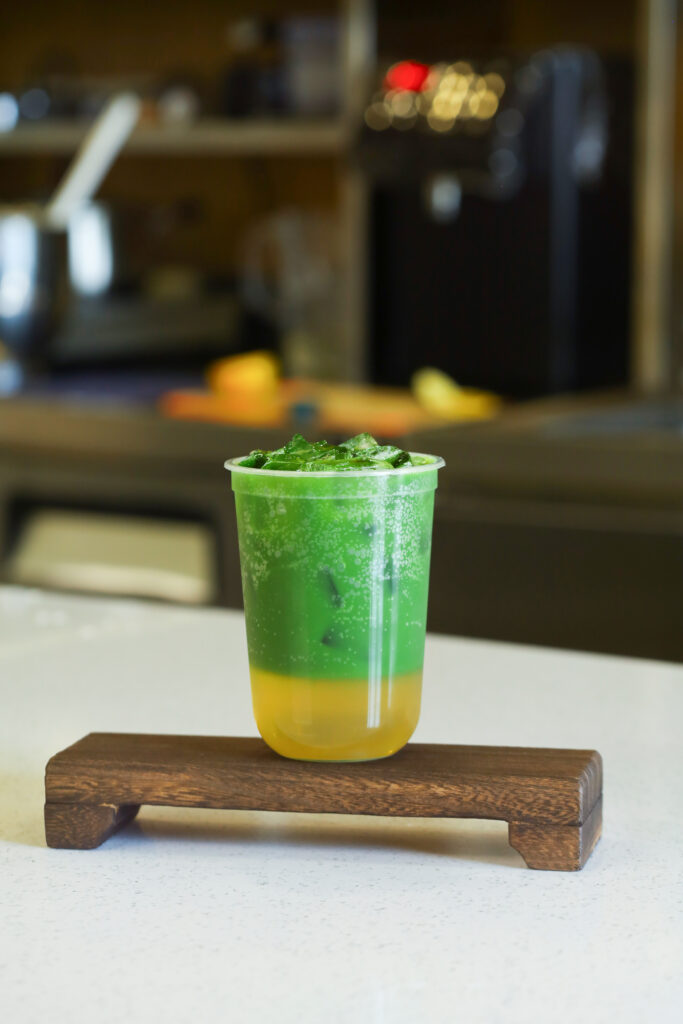
You can enjoy matcha jasmine tea in several simple ways. Many people love it served over ice, especially on a warm day. Iced matcha jasmine tea feels cool and refreshing. You can also drink it hot if you want a cozy moment. Try whisking your matcha with jasmine-infused water for a smooth, frothy cup. Some people add a touch of honey or a splash of milk for extra comfort. No matter how you serve it, this tea brings a gentle floral taste and a clean finish.
Tip: If you want a quick treat, pour your matcha jasmine tea over ice and add a little sweetener. It’s easy and delicious!
Jasmine Matcha Latte
A jasmine matcha latte gives you a creamy, floral twist on classic matcha. You get the earthy notes of matcha mixed with the sweet scent of jasmine and the smoothness of milk. Making one at home is simple. Here’s what you need:
| Ingredient | Description |
| jasmine green tea | tea bag or loose-leaf |
| hot water | for brewing the tea and matcha |
| matcha powder | use a high-quality matcha for the best flavor and color |
| jasmine syrup or sweetener | optional (e.g., honey, simple syrup) |
| milk | or non-dairy alternative |
| ice cubes | for serving cold |
Start by brewing jasmine tea, then whisk in your matcha powder. Add a little sweetener if you like. Pour in milk and serve over ice for a cool, creamy drink. This latte feels light, floral, and just a bit sweet.
Pairings
Matcha jasmine tea pairs well with many foods. You can enjoy it with sweet treats like shortbreads, cheesecake, or coconut desserts. It also tastes great with Asian desserts, such as mooncakes or wagashi. If you like savory snacks, try it with chicken dishes, dim sum, or even a bowl of pho. The floral and earthy flavors of the tea balance both sweet and savory foods.
- Coconut desserts
- Cheesecake or shortbread
- Mooncakes or wagashi
- Chicken or chicken broth
- Dim sum or Vietnamese pho
You can even try matcha tea with minty flavors or fruity yogurt bowls. These pairings make your tea time more fun and delicious.
Beginner’s Guide to Matcha
Getting Started
You want to try matcha but feel unsure where to begin. That’s normal for beginners. The beginner’s guide to matcha helps you take your first steps with confidence. Start by picking a good matcha powder. Look for bright green color and a fresh smell. Use a small bowl and a whisk. Measure one to two grams of powder for your first cup. Sift the powder to remove lumps. Pour hot water at about 80°C. Whisk until you see a frothy layer. Taste your tea. If you want a sweeter drink, add a little honey or milk. You can serve it hot or iced. Try both and see which you like best.
Tip: Practice makes you better. Each time you make matcha, you learn something new.
Common Mistakes
Many beginners make the same mistakes. You can avoid them with a few simple tips. Here’s a quick table to help you spot and fix common problems:
| Mistake | How to Avoid It |
| Using too much powder | Start with 1–2 grams |
| Water too hot | Keep water below 80°C |
| Skipping the sifting | Always sift matcha powder |
| Not whisking enough | Whisk until frothy |
| Storing matcha wrong | Keep in a cool, dark place |
Don’t worry if your first cup isn’t perfect. Beginners often need a few tries to get it right. The beginners guide makes the process easy and fun. Enjoy your matcha journey!
You now know what makes matcha jasmine tea special. You get health benefits, a unique flavor, and easy ways to prepare it.
- Try making matcha jasmine tea at home.
Keep practicing. You will enjoy each cup more. Ready to explore this tasty tea?
FAQ
How much caffeine does matcha jasmine tea have?
You get about 30–70 mg of caffeine per cup. This is less than coffee but more than regular green tea. It gives you gentle energy.
Can you make matcha jasmine tea without special tools?
Yes! You can use a small bowl, a regular whisk, and a fine mesh strainer. These work well if you do not have traditional tools.
Is matcha jasmine tea safe to drink every day?
Most people can enjoy a cup daily. If you feel sensitive to caffeine, start with a small amount and see how your body reacts.