
You often find yourself asking what are boba balls made of. Boba balls, also called boba pearls, use tapioca starch, sugar, and water as their main ingredients. You see many types in stores today, such as:
- Milk Tea Boba
- Crystal Boba
- Popping Boba
People enjoy boba balls in boba tea and desserts.
Key Takeaways
- Boba balls, also called boba pearls, are mostly made from tapioca starch, sugar, and water. They are chewy and are often found in drinks like boba tea.
- There are different kinds of boba. Some are traditional tapioca pearls. Some are popping boba that burst with juice. Some are crystal boba with a jelly-like feel. Each kind has its own taste and feel.
- Boba is usually gluten-free and vegan. This makes it good for many diets. Always look at the ingredient labels for allergens and diet needs.
Types of boba balls
You see many choices when you look for boba balls. Each type has its own ingredients and texture. You might wonder, what is boba made of? The answer depends on the kind you choose. Let’s explore the different types of boba and what makes each one unique.
What is boba made of
You often ask, what is boba made of? Most boba balls use tapioca starch, sugar, and water. Tapioca starch comes from the cassava root. Manufacturers mix it with water to form a dough. They roll the dough into small balls and boil them until they float. After cooking, they soak the pearls in sugar syrup. This process gives you chewy tapioca balls that you find in many drinks.
You also find other types of boba balls. Popping boba uses fruit juice, sodium alginate, and calcium chloride. Crystal boba uses konjac powder or agar powder, syrup, and sometimes fruit juice. Each type has a different texture and flavor.

Here is a table that shows what is boba made of for each type:
| Type of Boba | Main Ingredients |
| Traditional Tapioca Pearls | Tapioca starch, brown sugar, water, caramel (for coloring) |
| Popping Boba | Fruit juice, sodium alginate, calcium chloride, syrup |
| Crystal Boba | Konjac powder or agar powder, syrup, water, fruit juice or flavoring (optional) |
You see that tapioca pearls use simple ingredients. Popping boba and crystal boba use more modern methods and flavors.
Tapioca boba pearls: ingredients
Tapioca pearls are the most common boba balls. You make them with tapioca starch, water, and sugar. Sometimes, you add brown sugar or caramel for color and flavor. The process starts with mixing tapioca starch and water to form a dough. You roll the dough into small balls and dust them with tapioca starch to keep them from sticking. You boil the pearls until they float, then cook them for about 20 minutes. After cooking, you let them sit in hot water for 15 minutes. You drain and cool the pearls in cold water, then toss them with sugar syrup.
Tip: If you want to make tapioca pearls at home, use brown sugar for a richer taste.
Tapioca pearls have a chewy texture. You find them in milk tea, fruit tea, and desserts. They are popular because they absorb flavors well. You might see them called tapioca boba pearls or chewy tapioca balls.
Tapioca pearls contain mostly carbohydrates. Here is a table showing their nutrition:
| Nutrient | Amount per 10g Serving |
| Calories | 35 |
| Carbohydrates | 9g |
| Other Nutrients | Minimal |
A typical serving of tapioca pearls has about 83 to 87 calories. You should eat them soon after cooking because they lose their chewiness over time. You need to refrigerate them if you do not use them right away.
Popping boba and crystal boba
You might want to try different types of boba. Popping boba and crystal boba offer new textures and flavors. Popping boba has a thin skin and bursts with juice when you bite it. Crystal boba feels soft and jelly-like.
Popping boba uses fruit juice, sodium alginate, and calcium chloride. You drop flavored liquid into a sodium alginate bath. The liquid forms small balls with a thin membrane. You rinse and cure the pearls before serving. Here is a list of common ingredients for popping boba:
- Fruit juice
- Sodium alginate
- Calcium chloride
- Syrup
- Sugar (optional)
Crystal boba uses konjac powder or agar powder, syrup, and water. Sometimes, you add fruit juice or flavoring. You dissolve agar powder in water and heat it. You form pearls in a cooling bath and package them after they set. Here is a list of ingredients for crystal boba:
- Konjac powder or agar agar powder
- Syrup
- Water
- Fruit juice or flavoring (optional)
Here is a table comparing how popping boba and crystal boba are made:
| Type of Boba | Manufacturing Steps |
| Crystal Boba | 1. Dissolve agar powder in water (32°C to 40°C). 2. Heat to activate agar. 3. Form pearls in cooling bath. 4. Cool and package. |
| Popping Boba | 1. Prepare flavored liquid. 2. Create sodium alginate bath. 3. Drop flavored liquid into bath. 4. Rinse and cure pearls. |
Popping boba has fewer calories than tapioca pearls. A serving of popping boba contains about 64 to 70 calories. You can store popping boba at room temperature for up to 9 to 12 months if unopened. Crystal boba also lasts longer than cooked tapioca pearls.
Note: You find popping boba in fruit teas, frozen yogurt, and desserts. Crystal boba works well in drinks that need a lighter, jelly-like texture.
You see that what is boba made of changes with each type. Tapioca pearls use traditional ingredients. Popping boba and crystal boba use modern techniques and flavors. You can choose the type that fits your taste and needs.
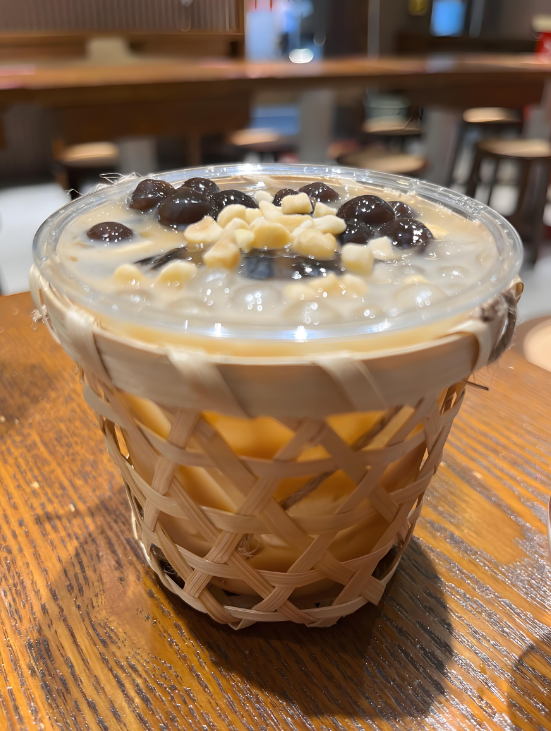
Boba texture, uses, and dietary info
Boba tea and desserts
Boba balls are in many drinks and desserts. When you get boba tea, you pick from different boba types. You can choose classic tapioca pearls, popping boba, or crystal boba. Boba balls are in bubble tea, iced coffee, and even cocktails. People also put boba pearls on froyo, ice cream, and parfaits. Popping boba is good in teas, smoothies, cakes, and waffles.
| Type of Boba Ball | Common Uses in Beverages | Common Uses in Desserts |
| Classic Tapioca Pearls | Iced coffee, creamy iced mocha, cocktails | Froyo, ice cream toppings, puddings, parfaits |
| Popping Boba | Teas, smoothies, mocktails, cocktails | Cakes, pastries, pancakes, waffles |
Texture and flavor of boba pearls
Boba tea has different textures. Tapioca pearls are chewy and thick, like gummy bears. Popping boba has a soft shell that pops with juice. Crystal boba is soft and jelly-like. Boba tea comes in many flavors. Popping boba is made with juice inside each ball. You can get strawberry, mango, or coffee juice. Some have yuzu juice for a citrus taste or lychee syrup for a sweet flavor.
- Tapioca pearls: chewy, dark, found in milk teas.
- Popping boba: pops with juice, special flavor.
- Crystal boba: see-through, a little sweet, good in light drinks.
Vegan and gluten-free options
Some people need special boba for their diet. Most boba balls use plants, not animal products. Tapioca pearls are from cassava root, so they have no gluten. Some brands are certified gluten-free. Always check the label for honey or animal products. Use plant milk if you want vegan boba tea. Watch out for dairy, nuts, or fake flavors in some shops. Kosher people should check every ingredient. If you worry about sugar or stomach problems, do not drink too much boba tea.
Boba balls are made with tapioca starch, sugar, and water. Popping boba and crystal boba taste and feel different. If you want to know about nutrition, look at this table:
| Nutrient | Amount per 100g |
| Calories | 100 kcal |
| Total Fat | 0 g |
| Sugars | 18 g |
Always check the ingredient list for things you might be allergic to. Ask workers if you worry about mixing with other foods. Try many kinds of boba and find new desserts you like.
FAQ
Can you eat boba balls if you have a gluten allergy?
You can eat most boba balls if you have a gluten allergy. Tapioca pearls use cassava root, which does not contain gluten.
How long do cooked boba pearls stay fresh?
Cooked boba pearls stay fresh for about four hours at room temperature. You should refrigerate them if you want to keep them longer.
Do boba balls contain animal products?
Most boba balls do not contain animal products. You should check the label for honey or dairy if you want a vegan option.