
Jasmine milk tea looks simple on the menu. In a shop, it’s a balancing act: you’re trying to protect a fragile floral aroma while still building enough body (and sweetness) to stand up to ice, milk, and a busy bar.
This ingredient guide is written for bubble tea operators who want a jasmine milk tea that tastes the same on Monday morning and Saturday night—and doesn’t swing between “perfume-y,” “watery,” and “bitter” depending on who brewed the tea.
Jasmine milk tea, quickly defined (so your staff is aligned)
Jasmine tea isn’t “jasmine-flavored tea.” It’s real tea leaves (often green tea) scented with jasmine blossoms through a traditional scenting process. That matters because the aroma compounds you’re trying to highlight are volatile—overheating and over-steeping can bury the floral character under bitterness.
If you want a deeper refresher on what jasmine tea is and how scenting works, Red Blossom Tea explains the traditional process in “Methods of Scenting Jasmine Tea” (2017)
.
Start with the goal: what “good” jasmine milk tea tastes like
Before you pick ingredients, define the target cup. A strong operator spec is simple and testable:
- Aroma: clear jasmine on the nose before you sip
- Taste: floral top notes, clean tea body, low bitterness
- Texture: creamy but not heavy; no chalky afterfeel
- Finish: slightly sweet, not cloying
Once you define that target, your ingredient choices become a set of tradeoffs you can standardize.
Ingredient system #1: The tea base (your aroma engine)
Most bubble tea shops lose jasmine character in one of two ways:
- brewing too hot/too long and extracting harshness, or
- brewing too weak and trying to “fix it” with more milk and sugar.
What to buy: jasmine tea that actually performs in milk tea
For most shops, jasmine green is the easiest base to keep floral. The tea provides structure; the jasmine provides fragrance.
When you’re evaluating a jasmine tea for milk tea service, test these factors:
- Leaf quality: loose leaf typically gives you better control than dust/fannings.
- Aroma strength at the dry leaf stage: if the dry leaf barely smells like jasmine, it won’t magically bloom in a milk tea build.
- Consistency across brews: the same grams should produce the same aroma and color.
Pro Tip: When sampling new jasmine tea, brew 2 cups back-to-back with the same parameters. If the second cup is noticeably flatter or harsher, the tea may be sensitive to small timing/temp changes—harder to run on a busy bar.
How to brew jasmine green tea strong without making it bitter
A practical baseline is:
- Water temp: ~175°F / 80°C (roughly 175–185°F window)
- Steep time: 2–3 minutes for many jasmine greens
- Strength adjustment rule: increase leaf dose, not steep time
Harney & Sons explicitly warns against overly hot water for jasmine and recommends cooler brewing in their guide to “Jasmine Milk Tea” (2020)
. CamelliaRD also uses a similar cooling-then-steep approach in “Jasmine Boba Milk Tea” (2021)
.
Why operators like this approach: you’re protecting floral aromatics and reducing tannin extraction that reads as “bitter” once dairy hits the cup.

A shop-friendly concentrate approach (so ice doesn’t water it down)
For iced jasmine milk tea, you want a tea base that tastes slightly too intense on its own. Ice and milk will soften it.
A simple pattern:
- Brew jasmine tea with locked temp/time.
- Strain immediately.
- Cool quickly (ice bath) before storage.
- Use it as a chilled base for builds.
If you want a reference for building “shop defaults” by tea family (including jasmine green brewed cooler/shorter), BubbleTeaSuppliers summarizes that approach in its consistency tips for boba shops.
Ingredient system #2: Milk, creamer, and the texture decision
This is where shops diverge. Your milk system determines whether jasmine feels “light and clean” or “dessert-like and creamy.”
Option A: Fresh milk (clean flavor, lighter body)
Best when: you want jasmine aroma to lead and you’re OK with a lighter mouthfeel.
- Whole milk is the default for body.
- Half-and-half can create a premium version, but it increases cost and can mute jasmine if overused.
BubbleTeaSuppliers lays out operator-friendly milk options in “What Kind of Milk Do You Use for Your Boba Tea Shop”
.
Failure mode: the drink tastes “watery” after ice melts.
Fix: strengthen tea base and/or increase total solids slightly (not just sugar).
Option B: Non-dairy creamer (classic richness and stability)
Non-dairy creamer (sometimes labeled “tea whitener”) is an engineered product designed to add body and opacity. Wikipedia’s overview of non-dairy creamer
is useful as a definition-level reference.
Best when: you need a consistent, rich mouthfeel and a stable workflow.
Failure mode: jasmine gets buried and the drink reads as “sweet creamy” rather than “floral.”
Fix: treat jasmine as the hero: keep brew parameters locked to preserve aroma, and avoid stacking too many heavy flavors.
Option C: Oat milk (best all-around dairy-free for jasmine)
If you offer dairy-free jasmine milk tea, oat milk (especially barista blends) tends to be the most neutral and creamy.
Failure mode: separation or cereal-like notes.
Fix: choose a barista blend, keep tea cold, and avoid extremely acidic add-ins.
A practical milk-system decision framework
Use this when you’re deciding what to stock as your “default” jasmine milk tea:
- If your brand wants light, tea-forward → fresh whole milk
- If your brand wants classic boba richness + speed → non-dairy creamer
- If your brand wants dairy-free default → oat milk
If you want to experiment with texture without rewriting your whole recipe, BubbleTeaSuppliers’ “Creamy Milk Tea Recipe: How to Get a Richer, Smoother Cup”
is a useful operator-oriented guide.
Ingredient system #3: Sweeteners (make it repeatable, not “to taste”)
Sweetness is where inconsistency hides, especially if staff free-pour.
Pick one sweetener system and standardize it
Common shop systems:
- Fructose machine (fast, consistent if calibrated)
- Simple syrup (cheap, controllable, needs labeled bottles)
- Flavored syrups (adds aroma but can compete with jasmine)
For jasmine milk tea, the safest path is a neutral sweetener (fructose or simple syrup) so jasmine stays the headline.
Standardize by grams (or by pump output), not by “percent” alone
You can still offer 0/25/50/75/100 on the menu, but behind the bar it should map to a measurable dose (grams, or a pump count you’ve calibrated).
Example mapping for a 16 oz cup (fill in based on your syrup strength):
- 0% = 0 g
- 25% = X g
- 50% = Y g
- 75% = Z g
- 100% = W g
Write those doses on the build card and don’t improvise.
For a bigger-picture view of milk tea ingredients as a system (tea base + creaminess base + sweetener system + ice), see BubbleTeaSuppliers’ shop-ready milk tea SOP.
Ingredient system #4: Ice, water, and dilution control
A jasmine milk tea that starts perfect can still fail if dilution is uncontrolled.
Best practice is to standardize ice by weight or a single scoop size that you don’t change mid-shift.
Two simple operator rules:
- If you change cup size, you must change ice weight (don’t eyeball it).
- If your tea base isn’t chilled before building, your ice melt will spike and the cup will drift.
How to standardize jasmine milk tea in a real shop
Most “recipe SOPs” fail because they’re only a recipe. A real standardization system has three parts.
1) Brew card (tea station)
This is taped at the tea station.
- Tea: jasmine green
- Dose: ____ g per ____ L
- Water temperature: ____°F
- Steep time: ____
- Strain method: ____
- Cooling method: ____
- Holding time (cold): ____
2) Build card (bar station)
This is what new staff should be able to follow without asking questions.
For 16 oz iced jasmine milk tea:
- Tea base: ____ mL
- Milk/creamer: ____ mL
- Sweetener: ____ g (or ____ pumps)
- Ice: ____ g (or ____ scoops)
- Shake: ____ seconds
3) QC checklist (shift lead)
Do this once per batch and once per shift.
- Aroma: jasmine present before sip
- Taste: no sharp bitterness
- Texture: consistent body
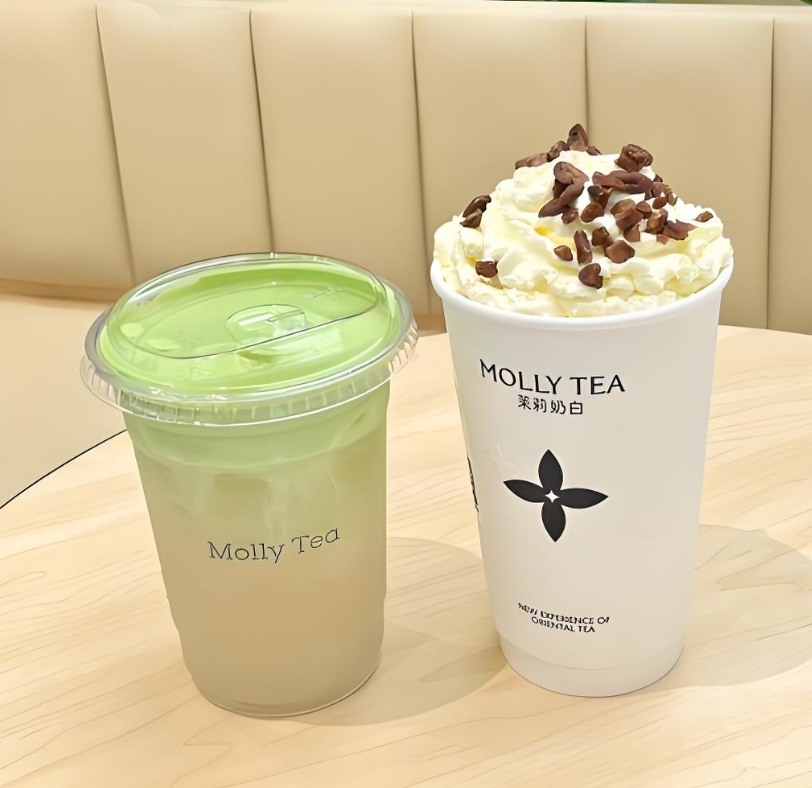
- Color: matches reference photo
- Sweetness: matches your target level
For a deeper “ingredient system” view that covers how tea base, creaminess base, sweetener system, and ice work together, BubbleTeaSuppliers’ shop-ready milk tea SOP is a solid companion read.
Common jasmine milk tea problems (and what to change first)
“It’s bitter”
Change first:
- lower water temperature
- shorten steep time
Do not “fix” bitterness with more sugar. You’ll just get sweet-bitter.
“It tastes watery”
Change first:
- strengthen the tea base (dose up)
- reduce ice melt (chill tea base; standardize ice)
“Jasmine aroma disappears”
Change first:
- ensure tea isn’t brewed too hot
- avoid overpowering flavored syrups
- reduce heavy creamer load if it’s masking aroma
Next steps
If you want to tighten consistency even further, use a locked-parameter approach by tea family (black vs oolong vs green/jasmine) and write your shop defaults down so staff isn’t guessing. BubbleTeaSuppliers outlines a clean starting point in “How to Make Milk Tea in a Boba Tea Shop: 3 Tips for Consistency”
.
If you’re building out a full menu of milk tea ingredients and want a system your staff can follow, use BubbleTeaSuppliers’ shop-ready milk tea SOP as a reference framework.
And if you’re building out a full milk tea menu (not just jasmine), BubbleTeaSuppliers has a growing library of operator-first recipes and ingredient guides at BubbleTeaSuppliers.