
Sticky rice as a topping can be a real differentiator—when it’s done well. It gives customers that chewy, dessert-like bite that most boba menus don’t offer.
But it’s also one of those “looks easy on TikTok, gets messy in a shop” ingredients.
This guide is built for US bubble tea shop owners who are in the consideration stage: you’re deciding whether sticky rice belongs on your menu, what to buy, and what to test before you commit.
Quick decision: is sticky rice a good topping for your shop?
Sticky rice is a good fit if you want:
- A premium, seasonal dessert-drink angle (think mango + coconut)
- A topping with a distinct chew (different from pearls, pudding, or jelly)
- A signature build you can price higher
It’s a poor fit if:
- Your team can’t reliably manage hot holding/cooling procedures
- You don’t have fridge space for labeled, shallow-pan cooling
- Your store is already overloaded with short-shelf-life prep
⚠️ Warning: Cooked rice is a time/temperature control food. If you can’t cool, store, and reheat it correctly, don’t add it as a topping. The U.S. FDA’s retail guidance is anchored in the FDA Food Code
.
What “sticky rice” actually means (so you buy the right thing)
For topping applications, “sticky rice” typically means glutinous rice (often labeled sweet rice). That’s the rice that delivers the chewy, cohesive texture people expect in mango sticky rice.
A useful reference point: the classic Thai dessert uses Thai sweet sticky rice with coconut milk, sugar, and salt—Serious Eats lays out the ingredient set and technique in their Thai coconut sticky rice with mango recipe
.
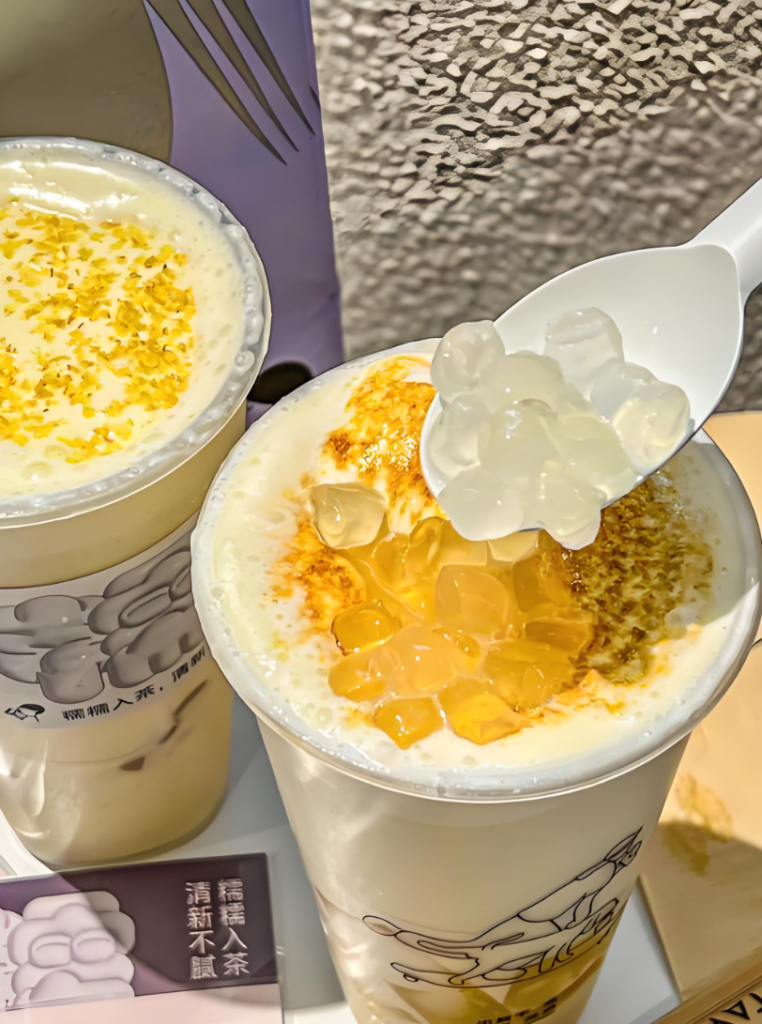
Must-have: glutinous (sweet) rice
Look for:
- “Glutinous rice” or “sweet rice” on the label
- Thai sweet rice (common for mango sticky rice flavor builds)
- Consistent grain size and minimal broken grains (helps texture consistency)
Avoid buying based on the word “sticky” alone—some short-grain rices are sticky-ish, but they won’t behave the same way in a drink.
The ingredient list you actually need (and what each item does)
You can build sticky rice milk tea a few different ways, but most shop versions that include actual rice as a topping rely on the same core ingredient set.
1) Sticky rice (the topping)
This is your chew, your “dessert bite,” and your operational headache if you don’t portion it.
Sourcing options (best to worst for control):
- Dry glutinous rice (best control, lowest ingredient cost, requires SOP)
- Frozen cooked sticky rice portions (faster, higher cost, still needs holding discipline)
- Shelf-stable ready-to-eat packs (convenient, but texture and ingredient list vary wildly)
2) Coconut component (the signature pairing)
Sticky rice tastes most “right” when it’s paired with coconut.
Options:
- Full-fat coconut milk: common, drinkable
- Coconut cream: richer mouthfeel, can overpower if you don’t balance sweetness
If you’ve ever had mango sticky rice, you already know the flavor logic: coconut + rice + fruit.
3) Sweetener
You need sweetness for two reasons:
- It makes rice feel like a topping, not a side dish
- It helps the overall drink read as “dessert,” not “tea with rice in it”
Use what you already use for milk tea (fructose/syrup/simple syrup), but plan to test sweetness in two layers:
- A lightly sweetened base drink
- A slightly sweetened rice portion (or coconut drizzle)
4) Salt (yes, salt)
A tiny amount of salt makes coconut flavors taste more “finished.” This is standard in mango sticky rice-style builds.
5) Optional add-ins (nice-to-have)
These are not required for a sticky rice topping program, but they can help you differentiate.
- Pandan (aroma)
- Toasted sesame (finish)
- Mung bean (dessert texture contrast)
Keep it simple at first. Every add-in is another SKU and another training point.
Food safety and holding: the part you can’t “wing”
Rice is a common food-safety risk when it’s cooled slowly or held at room temperature. A widely repeated food-safety warning is that Bacillus cereus can be a concern in cooked rice, and reheating may not remove toxins if they form during improper cooling—see Tilda’s explanation in tips on how to store and reheat cooked rice
.
The temperature targets to build into your SOP
If you’re running sticky rice as a topping, you need a clear procedure for either hot holding or rapid cooling + cold holding.
The FDA’s retail guidance includes these commonly cited targets:
- Hot holding: keep food at 135°F (57°C) or above
- Cold holding: keep food at 41°F (5°C) or below
- Cooling: 135°F → 70°F within 2 hours, then 70°F → 41°F within 4 hours
The FDA lists these temperature targets in their retail training materials, including the page on key temperatures for egg safety in food service operations
(the same holding and cooling targets are used across TCS foods).
Practical shop rule: don’t hold rice at room temp
If your “plan” is to cook sticky rice, leave it on the counter, and scoop it into drinks for 4 hours… skip this topping.
Either:
- Hot hold it properly (and accept texture drying as a quality tradeoff), or
- Cool it fast, portion it, refrigerate it, and reheat only what you need
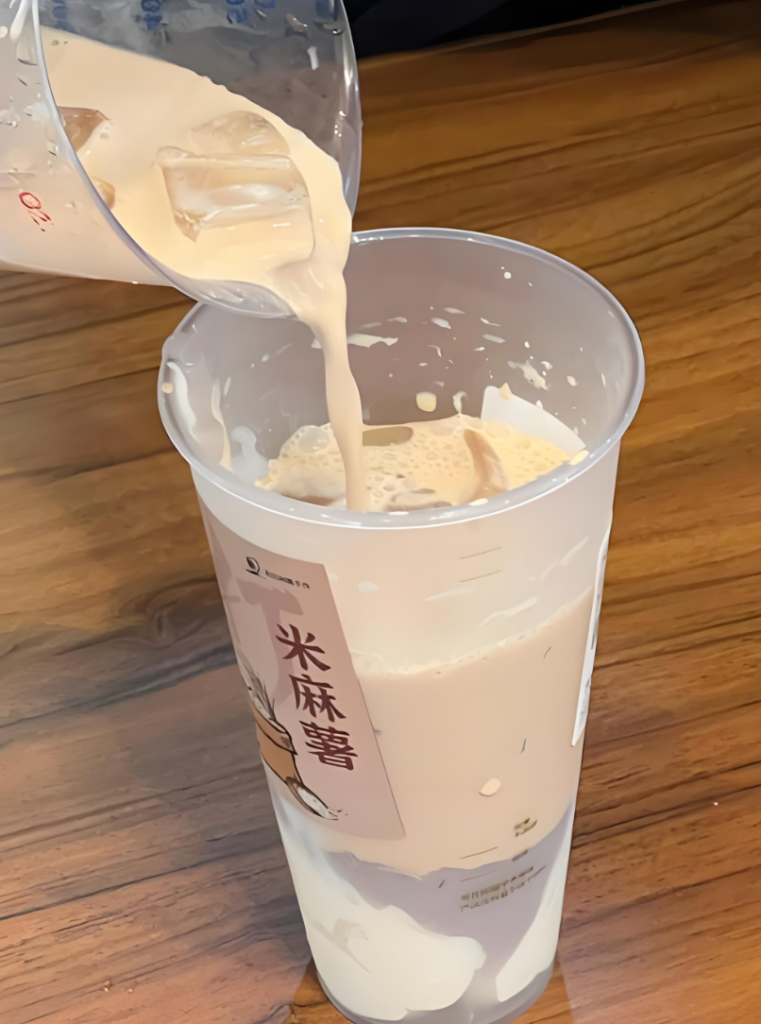
How to prep sticky rice for topping use (without turning your bar into a rice kitchen)
For consistency, sticky rice is usually soaked and steamed. Hot Thai Kitchen’s sticky rice guide emphasizes soaking (minimum hours) and steaming for the right chew—see their hot soak sticky rice method
.
Prep approach A: daily batch + portion cups
This is the most “operator-friendly” approach for most US shops.
- Cook/steam a batch in the back
- Portion into small cups (or weight-based portions)
- Refrigerate with clear labels
- Reheat small amounts during service
Why it works:
- Portion control protects food cost
- Smaller portions cool faster (safer)
- Staff can build drinks consistently
Prep approach B: frozen portions for speed
If you have the volume and you hate kitchen labor, frozen portions can be worth it.
What to evaluate:
- Ingredient list (avoid odd gums or flavors that clash with tea)
- Texture after reheating (does it stay chewy or become grainy?)
- Portion size consistency
How to portion sticky rice (so it’s not a margin killer)
Sticky rice is heavy. If you scoop it casually, your costs will creep.
Start with one of these portioning systems:
- A dedicated scoop (one level scoop = one serving)
- A gram weight target per cup
- Pre-portioned topping cups during prep
In your pilot, track:
- Average grams per drink
- Number of drinks per batch
- Waste at end of day
Choosing a drink build: what actually tastes good with sticky rice
A sticky rice topping works best in dessert-style milk tea builds.
Flavor pairings that tend to work
- Mango + coconut
- Thai tea + coconut
- Brown sugar + coconut (dessert vibe)
- Matcha + coconut (polarizing, but can work)
If you’re building a new milk tea base, use your existing base playbooks—here’s a useful refresher on milk tea base and topping basics
so your sticky rice doesn’t end up masking a weak base.
Texture management: don’t fight physics
Sticky rice doesn’t behave like pearls.
- It’s denser
- It can clump
- It can get unpleasant when it’s too cold
So choose formats that make sense:
- Layered, served with a wide straw
- Slightly blended “dessert shake” texture
If your menu is mostly light, clean teas, sticky rice may feel off-brand.
To capture search intent without keyword stuffing, here are a few common ways operators and customers describe this item:
- Some searches use “sticky rice topping for milk tea” when they’re looking for mix-ins beyond boba.
- Dessert-style builds are often framed as “mango sticky rice milk tea” even when the drink is your own twist.
- You may also see terms like “glutinous rice topping boba” in long-tail queries.
- Food-safety related queries often start with “how to store cooked sticky rice” because holding is the make-or-break detail.
Supplier checklist: what to ask before you buy
When you’re evaluating suppliers (or even just deciding between two grocery distributors), use a simple checklist.
For dry glutinous rice
Must-haves:
- Consistent grain quality (few broken grains)
- Reliable case pack and lot consistency
- Clear labeling (glutinous/sweet rice)
Nice-to-haves:
- Strong turnover at the distributor (fresher stock)
- Easy reorder cadence
For coconut milk/cream
Must-haves:
- Full-fat option that tastes clean (not metallic)
- Consistent fat separation behavior (you can blend/stir back in)
Nice-to-haves:
- Multiple pack sizes (for pilot vs rollout)
For frozen cooked sticky rice portions
Must-haves:
- Portion consistency
- Texture holds after reheating
- Ingredient list you’re comfortable serving
Deal-breakers:
- Weird aftertaste
- Rapid staling/hardening even when handled correctly
Red flags that usually mean “don’t launch this yet”
- Your team can’t describe your rice cooling/holding method clearly
- The rice texture varies wildly by shift
- You can’t portion consistently
- Customers need a spoon to enjoy the drink (unless you’re deliberately selling it as a spoonable dessert)
A simple 7-day pilot plan (so you don’t commit blindly)
This is the fastest way to learn if sticky rice topping will work in your store.
Days 1–2: ingredient selection and bench test
- Pick 1 dry glutinous rice option
- Pick 1 coconut milk option
- Run a small batch
- Test 2 serving temperatures (warm vs chilled)
Days 3–4: workflow test during real service
- Train staff on one portion method
- Track build time impact per drink
- Note clumping complaints and straw issues
Days 5–7: customer response + cost check
Track:
- Attach rate (how many orders add the topping)
- Waste (end-of-day leftover portions)
Go/no-go criteria:
- You can portion consistently
- You can keep rice safe and within your SOP
- You can charge enough to protect margin
If you want help choosing a base that feels premium enough to justify a higher price, this guide on how to build a richer milk tea base
is a good starting point.
FAQ: sticky rice milk tea for bubble tea shops
Can I keep sticky rice at room temperature during service?
No. Cooked rice should not be left at room temperature for extended periods. Use hot holding or rapid cooling + cold holding, and build an SOP around FDA guidance for TCS foods.
Does sticky rice need coconut to taste good in milk tea?
It doesn’t need coconut, but coconut is the pairing that makes sticky rice read as “dessert” for most customers. It’s also the canonical flavor frame in mango sticky rice-style builds.
What straw works best?
If you serve actual sticky rice, plan for a wide straw and a build that won’t clog immediately (layered with enough liquid flow, or slightly blended).
What tea base works best?
Thai tea and black tea tend to be the easiest fits for dessert-style builds. If you want to explore tea base options and how milk choices change texture, start with tea bases and milk options for milk tea
.
Next steps
If sticky rice fits your menu, treat it like a controlled pilot—not a casual topping. Start simple (rice + coconut + one fruit pairing), portion it, and prove you can run it safely and consistently.
For more topping and menu strategy ideas, review BubbleTeaSuppliers’ guides on boba toppings and add-on strategy
and core milk tea toppings for menus
.