
“Sweet milk tea” sells because it hits two cravings at once: comfort and dessert. But in a shop setting, the word sweet is also where things go sideways:
- Customers expect different sweetness levels.
- Staff members free-pour and your “signature” drink changes by shift.
- Weak tea + too much sugar turns into “sweet milk,” not milk tea.
Here’s what makes sweet milk tea profitable and repeatable: you standardize bubble tea sugar levels into a staff-run system (not vibes), then build a menu that nudges customers toward higher-margin upgrades.
Define what “sweet” means in your shop (so staff can execute)
Your first job is translating “sweet” into milk tea sweetness levels your team can execute consistently.
If you don’t define sweetness, your customers will.
Most bubble tea shops handle this with percentage-based sugar levels (0/25/50/75/100). The important operational truth is: those percentages aren’t universal sugar grams—they’re a percentage of your recipe’s default sweetener amount.
A consumer-facing breakdown from Wanpo Tea Shop describes 100% sugar for a ~500 ml drink as roughly 50–60g, then scaling down to 75/50/25% (and noting toppings can still add sugar even when the drink is ordered at 0%)How Much Sugar Is in Boba? (Wanpo Tea Shop)
.
You don’t need to run your menu around grams. But you do need a system staff can repeat.
The fastest standard: a “sweetness ladder” + a pump map
Pick your default sweetener for milk tea (fructose, cane syrup, brown sugar syrup, etc.). Then define 3–5 levels.
A practical mapping many shops use is pump-based: for example, 100% might equal two pumps and 50% equals one pump (exact pump volume varies by shop)Someone please explain bubble tea sugar levels (Reddit)
.
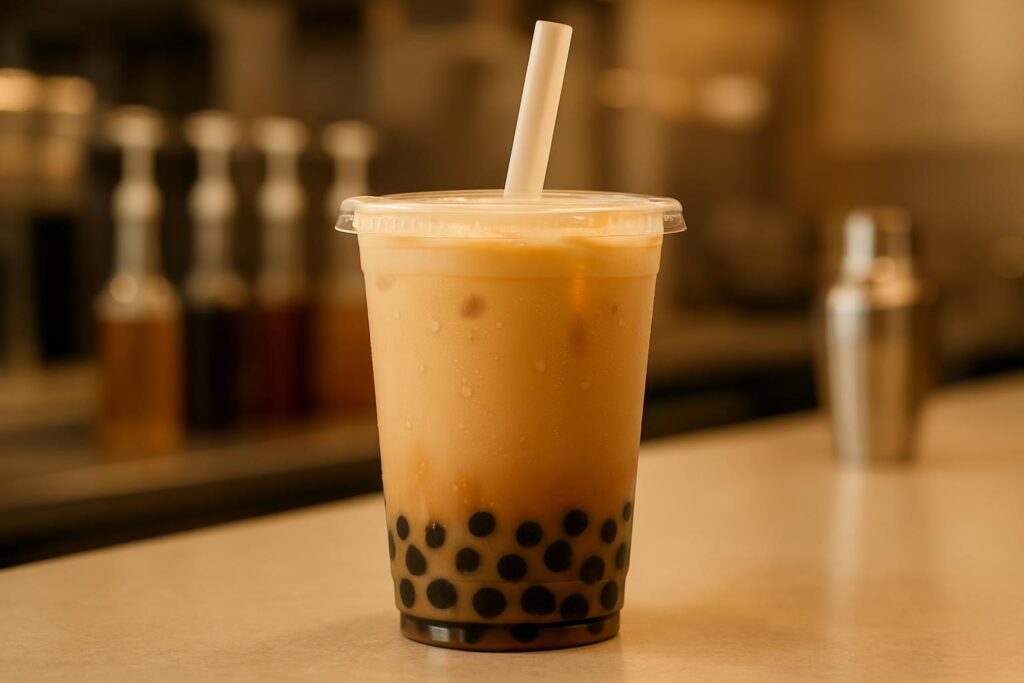
Here’s a shop-friendly ladder that keeps the menu simple:
- Light Sweet (about 25–30%)
- Classic Sweet (about 50%)
- Dessert Sweet (about 75–100%)
Then train staff on a single pump chart (post it at the station):
- Light Sweet = 1 pump
- Classic Sweet = 2 pumps
- Dessert Sweet = 3 pumps
Pro Tip: Don’t let “0% sugar” become a promise you can’t keep. Customers can still get sugar from toppings (pearls soaked in syrup, pudding, etc.). Train staff to say: “No added syrup in the tea, but toppings may still be sweet—want lighter toppings?”
Choose the right syrup concentration for speed and consistency
If your “sweet milk tea” program uses syrup, the syrup itself needs to behave consistently.
For boba-style syrups (especially brown sugar), many recipes use a 2:1 sugar-to-water ratio for a thicker syrup rather than 1:1 simple syrup, and recommend minimizing stirring and keeping containers clean to reduce crystallization issuesBrown Sugar Syrup for Boba: Homemade thick Syrup! (The Flavor Bells)
.
Operationally, that means:
- You get a syrup that doesn’t water down the drink as easily.
- Pumps behave more consistently across the day.
- Your “Dessert Sweet” level doesn’t require dumping extra liquid in the cup.
Build a 3-tier sweet milk tea lineup (core / premium / dessert)
This playbook is built for operators, but the customer-facing part still matters. Below are practical milk tea menu ideas you can deploy without turning your bar into a science project.
Tier 1: Core sweet milk tea (your volume seller)
This is the drink you want staff to execute perfectly at speed.
Use a simple, repeatable build and keep choices limited. For a shop-ready build order and training ratios, link your team to BubbleTeaSuppliers’ internal SOP hub (the “shop-friendly milk tea SOP cards” page).
What this tier needs:
- A tea base that still tastes like tea after milk + ice.
- A default sweetness that works for most customers.
- One default topping recommendation (so every order has an upsell path).
Tier 2: Premium sweet milk tea (where margin lives)
Premium doesn’t mean complicated. It means a better reason to charge more.
Choose one premium lever and build around it:
- Milk upgrade (whole milk vs oat milk vs a richer option)
- Texture upgrade (cream top / foam / pudding)
- Tea upgrade (a more aromatic black tea or a distinct green tea)
If you want operator-friendly guidance on milk choices and pairings, reference What kind of milk do you use for your boba tea shop
.
Tier 3: Dessert sweet milk tea (your “treat” signature)
This tier is intentionally sweeter and heavier. It should feel like a dessert experience.
BubbleTeaSuppliers notes that brown sugar milk tea doesn’t necessarily contain tea (it can be fresh milk + brown sugar syrup), which gives you a caffeine-free option in the “sweet” familyMilk Tea Showdown: Comparing Classic vs. Brown Sugar vs. Thai Tea
.
Design rule:
- Keep the drink count small.
- Make the visual obvious (striping, layered look, branded topping).
- Price it like a treat, not like your core milk tea.
Upsells that actually attach (without slowing service)
This section is your boba shop upsells playbook: upsells that increase AOV without adding chaos.
Upsells fail when they add decision fatigue or slow the line.
The best “sweet milk tea” upsells are pre-packaged as defaults:
- “Classic Sweet Milk Tea — comes with pearls (swap topping if you want)”
- “Premium Sweet Milk Tea — includes cream top”
- “Dessert Sweet Milk Tea — brown sugar + extra pearls”
Operator-focused menu advice commonly recommends training staff to suggest add-ons like pearls, jellies, and extra toppings, because it raises ticket size while improving the experienceHow Boba Tea Can Boost Your Bottom Line (Restaurantware)
.
The upsell stack that works for most shops
Use one primary upsell and one secondary upsell (don’t offer five options at the register).
- Primary: topping (pearls, pudding, jelly)
- Secondary: premium milk (oat/almond/soy) or cream top
Script your staff with a single sentence:
- “Do you want that Classic Sweet or Dessert Sweet?”
- “Want to make it richer with oat milk or a cream top?”
⚠️ Warning: If your tea base is weak, your “premium” drink will taste like expensive sweet milk. Before adding more sugar, fix the tea strength and ratio discipline. BubbleTeaSuppliers’ creaminess guide calls out this exact failure mode and the operator fixesCreamy Milk Tea Recipe: How to Get a Richer, Smoother Cup With Any Ingredients
.
LTO system: one base, three limited drinks
Run LTOs like a controlled pilot (so they don’t wreck your ops)
Before you print posters, run a 7-day pilot and track three numbers:
- Attach rate: what % of orders add the featured topping/upgrade?
- Waste: how much prep is left at end of day?
- Remake rate: how many drinks get remade due to confusion or inconsistency?
A simple go/no-go rule:
- If attach rate is strong and remake rate stays low, keep it.
- If remakes spike, simplify the build (one less option, one less step) before you blame demand.
This keeps LTOs profitable — and keeps your team from hating them.
Limited-time offers work best when they don’t require reinventing your prep.
Start with one “sweet milk tea base” and vary one dimension:
- flavor (syrup/powder)
- topping
- finish (foam/cream top)
Here’s a simple LTO trio you can run off one base:
LTO 1: “Honey Oat Sweet Milk Tea” (premium, cozy)
- Same tea base
- Oat milk upgrade
- Honey-style sweetness
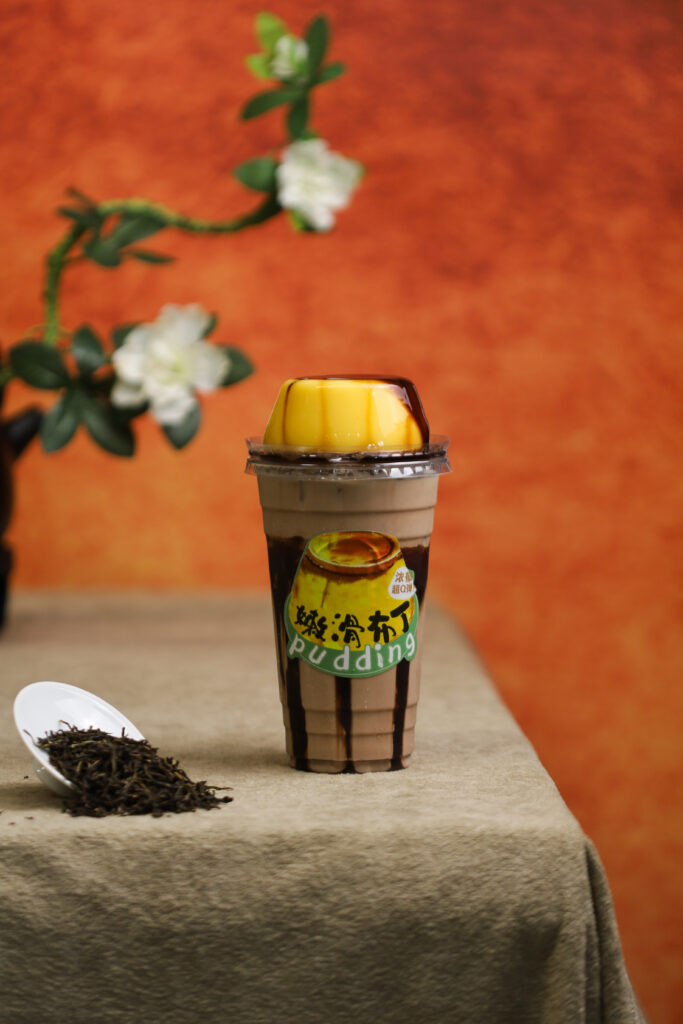
LTO 2: “Brown Sugar Brûlée Sweet Milk Tea” (dessert, photogenic)
- Brown sugar sweetness lane
- Extra pearls
- Brûlée-style finish (if your shop runs this program)
LTO 3: “Jasmine Vanilla Sweet Milk Tea” (aromatic, lighter)
- Jasmine tea base
- Vanilla sweetness
- Light Sweet default
If you’re choosing tea bases, BubbleTeaSuppliers’ breakdown of black tea vs green tea for bubble tea
is a useful internal reference for pairing and strength expectations.
Pricing + positioning: how to charge for “sweet” without apologizing
A simple example price ladder (16oz)
You don’t need a complicated spreadsheet to price a sweetness-forward lineup. You need clear tiers + a reason for each jump.
Here’s a simple, shop-friendly ladder you can adapt (adjust based on your market and ingredient costs):
- Core milk tea: base price (your traffic driver)
- Premium: +$0.75 to +$1.50 (milk upgrade or cream top or a premium topping)
- Dessert: +$1.50 to +$2.50 (visual signature + extra topping + richer sweetness lane)
What you’re selling is not “more sugar.” You’re selling a more specific experience:
- Premium = richer mouthfeel or a higher-quality build
- Dessert = treat-level indulgence + photogenic look
If customers push back on price, you’ll usually win with one sentence that names the upgrade:
- “That one includes oat milk and a cream top.”
- “That one comes with extra pearls and the brown sugar lane.”
Pricing becomes easy when your tiers are real.
A simple positioning framework:
- Core: the price customers expect
- Premium: +$0.75 to +$1.50 for a clear upgrade (milk or cream top)
- Dessert: +$1.50 to +$2.50 for a treat experience (visual + extra topping + richer sweetness)
The key is to name the upgrade in the menu line so it doesn’t feel like a fee:
- “Sweet Milk Tea (Classic Sweet) — includes pearls”
- “Sweet Milk Tea (Oat Milk + Cream Top)”
- “Brown Sugar Dessert Milk Tea (Extra Pearls)”
Execution checklist: keep sweet milk tea consistent across shifts
If you want your sweet milk tea lineup to sell, it has to taste the same on Monday morning and Saturday night.
1) Lock the build order
Use one build order for the whole team. A practical shop build sequence and shake timing are outlined in BubbleTeaSuppliers’ shop-friendly milk tea SOP cards.
2) Standardize ice and cup size
Most “it tastes different today” complaints are really ice variance.
3) Train staff on the sweetness ladder, not “to taste”
Sweetness is a system. Free-pouring is not.
4) Add one daily QA taste check
Pick one drink (usually the top seller) and taste it at opening and mid-shift. If it drifts, you’ll catch it before reviews do.
Staff training one-pager: what to say, what to do
If you want consistency, give staff scripts + defaults (not vague instructions).
What to ask every customer
- “Sweetness level: Light, Classic, or Dessert?”
- “Ice: regular or less?”
- “Do you want pearls on that?” (default = yes on the core drink)
What not to do
- Don’t free-pour sweetener.
- Don’t change the build order because the line is long.
- Don’t promise “sugar-free” unless your toppings and bases actually support it.
Two quick saves when a drink tastes “off”
- Too sweet / flat: verify the pump count first, then check ice weight.
- Tastes like sweet milk: your tea base is probably weak — fix tea strength before adding more syrup.
FAQ
What’s the best sweetness level for sweet milk tea?
For most shops, Classic Sweet (around 50%) is the safest default, then let customers choose Light or Dessert Sweet depending on preference.
Should we offer 0% sugar?
You can, but train staff to clarify “0% added syrup” vs “sugar-free,” since toppings can still add sweetness.
How do we stop sweet milk tea from tasting like sweet milk?
Strengthen and standardize the tea base first, then control your tea-to-milk ratio and ice. BubbleTeaSuppliers’ creaminess guide explains why weak tea is the root cause and how to fix it.
Next steps
If you want to turn these ideas into a staff-trainable station setup, start with BubbleTeaSuppliers’ SOP cards page: BubbleTeaSuppliers
. Then adapt the sweetness ladder + pump chart to your syrup and cup sizes.