
Introduction: The Rising Popularity of Fruit Tea Slushes
The beverage landscape has witnessed a remarkable transformation in recent years, with fruit tea slushes emerging as one of the most sought-after categories for tea shops, cafes, and restaurants worldwide. Combining the refreshing qualities of iced tea with the vibrant flavors of fresh fruits and the delightful texture of a slush, these beverages offer customers an experience that transcends ordinary drinks. For businesses in the tea industry, mastering fruit tea slush recipes represents not just a trend but a significant revenue opportunity that caters to growing consumer demand for innovative, Instagram-worthy beverages.
This comprehensive guide will explore everything from the fundamentals of crafting perfect fruit tea slushes to advanced techniques for differentiation in a competitive market. Whether you’re a tea wholesaler looking to expand your product offerings or a bubble tea shop owner seeking to refresh your menu, these insights will help you capitalize on the fruit tea slush phenomenon.
The Science Behind the Perfect Fruit Tea Slush
Understanding Texture and Consistency
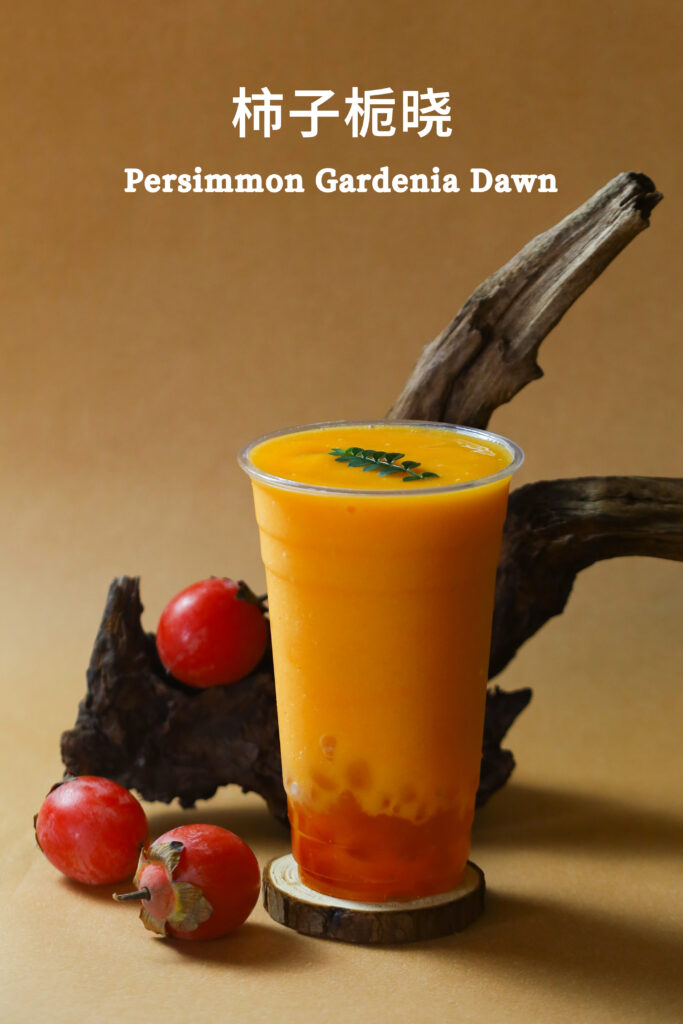
The hallmark of an exceptional fruit tea slush lies in its texture—a finely granulated ice that’s smooth enough to drink through a straw yet substantial enough to provide that distinctive slushy mouthfeel. Achieving this perfect consistency requires understanding the science of freezing points and crystal formation.
When creating slush beverages, the sugar content (Brix level) plays a crucial role in determining freezing point. Higher sugar concentrations lower the freezing temperature, preventing the mixture from becoming a solid block of ice. The ideal Brix level for fruit tea slushes typically falls between 14-18°, creating a scoopable yet drinkable texture.
Professional slush machines achieve this through continuous agitation during the freezing process, preventing large ice crystals from forming. For businesses without specialized equipment, alternative methods using blenders can produce satisfactory results, though consistency may vary slightly between batches.
Flavor Balance Principles
A successful fruit tea slush achieves harmony between several elements:
Tea base intensity: Should be noticeable but not overpowering
Fruit flavor prominence: Should taste authentic, not artificial
Sweetness level: Must balance the natural tartness of fruits and tea tannins
Acidity: Often needs adjustment with citric acid or lemon juice to make flavors “pop”
The flavor profile changes slightly when frozen, as cold temperatures mute certain taste perceptions. This is why slush recipes often require slightly more intense flavoring than their liquid counterparts.
Essential Equipment for Commercial Fruit Tea Slush Production
Commercial Slush Machines
For businesses planning to offer fruit tea slushes consistently, investing in a commercial slush machine is essential. These units come in various configurations:
Countertop models (1-2 flavors): Ideal for smaller establishments
Floor-standing machines (3-6 flavors): Suitable for high-volume operations
Granita machines: Create a coarser, more Italian-style texture
Key features to consider include storage capacity, freezing speed, consistency controls, and ease of cleaning. Many modern machines offer programmable settings for different beverage types, ensuring consistent quality across shifts and staff members.
Alternative Preparation Methods
For businesses testing the market or operating on a smaller scale, high-powered commercial blenders can produce acceptable slush textures. The technique involves using a combination of ice, frozen fruit, and a concentrated tea base, blended to the perfect consistency. While this method requires more labor and yields less consistency between batches, it offers greater flexibility for seasonal or limited-time offerings.
Building Your Foundation: Tea Base Selection
Choosing the Right Tea Varieties
The tea base forms the foundation of any fruit tea slush, and selecting the appropriate variety is crucial:
Green Teas:
Jasmine Green Tea: Floral notes complement tropical fruits like mango and passionfruit
Sencha: Grassy, vegetal flavors pair well with melon, citrus, and berry fruits
Matcha: Provides vibrant color and earthy notes that work with sweeter fruits like peach
Black Teas:
Assam: Malty, robust character stands up to stronger fruits like blackberry and plum
Ceylon: Bright, citrusy notes enhance lemon, orange, and berry combinations
Earl Grey: Bergamot adds complexity to stone fruits like apricot and peach
Herbal Infusions:
Hibiscus: Naturally tart and vividly colored, excellent as a base or color enhancer
Rooibos: Naturally sweet, caffeine-free base for all fruit combinations
At Bubble Tea Suppliers, we offer a curated selection of tea bases specifically optimized for cold beverage applications, ensuring maximum flavor extraction and clarity in finished drinks.
Brewing Techniques for Slush Applications
Traditional hot brewing methods often require adaptation for slush applications:
Increased concentration: Brew tea at 1.5-2x normal strength to compensate for ice dilution
Rapid chilling: Use an ice bath or blast chiller to bring tea temperature down quickly, preserving freshness
Cold brewing: Steep tea in cold water for 12-24 hours for smoother, less astringent flavors
Proper storage of tea bases is equally important. Concentrates should be refrigerated and used within 3-4 days for optimal flavor, though some varieties with higher acid content (like hibiscus) may have longer shelf lives.
Fruit Components: Fresh, Frozen, and Pureed
Evaluating Fruit Options
The fruit component determines the dominant flavor profile of your slush. Each form offers distinct advantages:
Fresh Fruits:
Pros: Peak flavor, natural texture, marketing appeal
Cons: Seasonal availability, preparation time, consistency variables
Best uses: Signature drinks, seasonal specials, establishments emphasizing freshness
Frozen Fruits:
Pros: Year-round availability, consistent quality, portion control, adds to slush texture
Cons: Possible texture changes after thawing, potential flavor degradation
Best uses: Core menu items, consistent flavor profiles
Fruit Purees and Concentrates:
Pros: Maximum consistency, concentrated flavor, easy storage and portioning
Cons: Possible artificial perceptions, less textural interest
Best uses: High-volume operations, flavor consistency priorities
Preparation Techniques
Fresh Fruit Preparation:
Wash thoroughly and remove any pits, seeds, or stems
Chop into uniform pieces for even blending
Macerate with a small amount of sugar to draw out juices
Consider light cooking for harder fruits (apples, pears) to soften and release flavors
Frozen Fruit Handling:
Partial thawing before use ensures even blending
Reserve some frozen pieces to help chill the mixture without over-diluting
Account for added water content from ice crystals
Signature Fruit Tea Slush Recipes for Your Menu
Tropical Sunset Slush
*Yield: 1 gallon concentrate (makes approximately 16-20 servings)*
Ingredients:
8 cups strongly brewed jasmine green tea, chilled
3 cups mango puree
2 cups pineapple juice
1 cup passionfruit puree
1/2 cup simple syrup (adjust to taste)
2 tablespoons freshly squeezed lime juice
Pinch of salt (enhances fruit flavors)
Instructions:
Combine all ingredients in a food-safe container and whisk until fully incorporated
Taste and adjust sweetness/tartness balance
Transfer to slush machine or freeze in shallow pans for blender method
Serve garnished with a pineapple wedge and edible flower
Business Tip: This vibrant, tropical option performs exceptionally well in summer months and can be marketed as a “vacation in a cup.”
Berry Medley Antioxidant Blast
Yield: 1 gallon concentrate
Ingredients:
8 cups cold-brewed hibiscus tea
2 cups mixed berry puree (strawberry, blueberry, raspberry)
1 cup acai puree
1/2 cup pomegranate juice
3/4 cup honey or agave syrup
1 tablespoon lemon juice
Instructions:
Blend hibiscus tea with berry puree until smooth
Whisk in remaining ingredients
Strain through fine mesh to remove any seeds
Process in slush machine or freezer method
Business Tip: Market the health benefits of antioxidant-rich ingredients. Consider offering add-ins like chia seeds or vitamin boosts for premium pricing.
Citrus Green Tea Revitalizer
Yield: 1 gallon concentrate
Ingredients:
8 cups strong sencha green tea, chilled
2 cups fresh orange juice
1 cup grapefruit juice
1/2 cup yuzu juice (or additional lemon juice)
Zest of 2 oranges and 1 lemon
3/4 cup simple syrup
1 teaspoon grated ginger (optional)
Instructions:
Combine teas and juices in large container
Add citrus zest and allow to infuse for 1 hour before straining
Add sweetener and ginger if using
Process according to preferred slush method
Serve with a citrus wheel garnish
Business Tip: Position as an energy-boosting alternative to coffee drinks. The citrus notes naturally highlight green tea’s antioxidant properties.
Advanced Techniques for Differentiation
Layered Slush Creations
Visual appeal significantly enhances perceived value. Master these layering techniques:
Density-Based Layering:
Prepare two complementary slush flavors with different sugar concentrations
The higher Brix (sweeter) mixture will be denser
Carefully pour denser mixture first, then float lighter mixture on top
Use the back of a spoon to control pouring and minimize mixing
Example: Mango slush (high Brix) layered with lime slush (lower Brix) creates a striking sunset effect.
Flavor-Infused Ice Cubes
Enhance flavor without dilution:
Brew tea or fruit juice at standard strength
Pour into ice cube trays with small fruit pieces or herbs
Use these specialty cubes when blending slushes
As they melt, they release additional flavor rather than watering down the drink
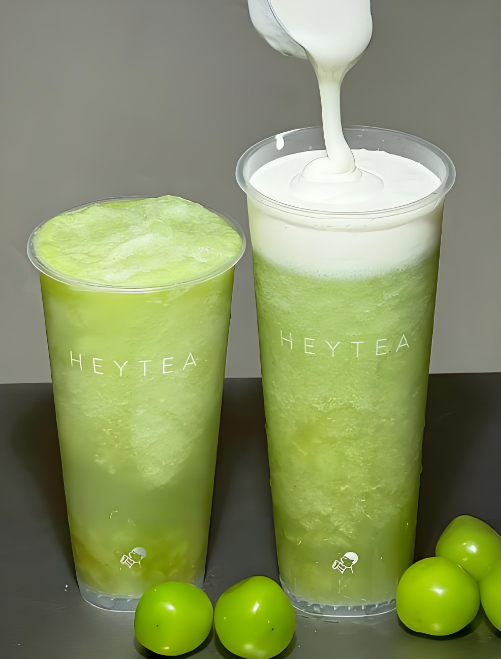
Toppings and Enhancements
Increase check averages with premium add-ons:
Fruit pearls: Popping boba filled with complementary fruit juices
Herb garnishes: Mint, basil, or rosemary sprigs
Texture additions: Coconut flakes, chia seeds, or aloe vera chunks
Rim treatments: Tajín for spicy-sweet combinations, colored sugar for visual appeal
Operational Considerations for Commercial Success
Consistency Controls
Maintain product quality across all locations and shifts:
Standardized Recipes: Use weight measurements rather than volume for accuracy
Regular Calibration: Check Brix levels daily with a refractometer
Staff Training: Implement clear procedures for brewing, mixing, and machine operation
Batch Tracking: Label all preparations with date, time, and expiration
Cost Analysis and Pricing Strategy
Ingredient Cost Breakdown Example (Tropical Sunset Slush):
Tea base: $0.35
Fruit components: $1.20
Sweeteners and additives: $0.25
Cup/lid/straw: $0.18
Labor/overhead: $0.75
Total Cost: Approximately $2.73
Recommended Pricing: 3.5x cost = $9.55 (round to $9.50-$9.95 range)
Premium presentations (special garnishes, larger sizes, add-ins) can support higher price points. Consider tiered pricing based on size and complexity.
Seasonal Menu Rotation
Keep your offerings fresh and encourage repeat visits:
Spring: Strawberry-rhubarb, honey-lemon, floral infusions (lavender, rose)
Summer: Watermelon-mint, coconut-pineapple, tropical blends
Fall: Apple-cinnamon, pear-ginger, spiced berry
Winter: Clementine-pomegranate, cranberry-orange, spiced citrus
Limited-time offerings create urgency and can be tested for potential addition to the permanent menu.
Marketing Your Fruit Tea Slush Creations
Visual Storytelling
Fruit tea slushes are inherently photogenic. Capitalize on this:
Professional Photography: Invest in high-quality images for menus and marketing materials
Instagram Strategy: Create branded hashtags, encourage user-generated content
Behind-the-Scenes Content: Share preparation videos highlighting fresh ingredients
Health-Conscious Positioning
Address growing consumer interest in healthier options:
Highlight natural ingredients and antioxidant properties
Offer sugar-level customization (25%, 50%, 75%, 100% sweet)
Create “boost” add-ons (vitamin C, energy blends, immunity support)
Develop low-calorie options using stevia or monk fruit sweeteners
Collaboration Opportunities
Expand your reach through strategic partnerships:
Local Influencers: Invite food bloggers for tasting events
Complementary Businesses: Cross-promote with juice bars, gyms, or health food stores
Community Events: Offer samples at farmers markets or local festivals
Sourcing Quality Ingredients
The quality of your fruit tea slushes directly correlates with ingredient quality. Establishing relationships with reliable suppliers ensures consistency and often provides cost advantages through volume purchasing.
For businesses seeking premium tea bases specifically formulated for cold beverage applications, Bubble Tea Suppliers offers an extensive selection of wholesale teas, flavors, and equipment. Our expertise in the bubble tea industry translates directly to fruit tea slush applications, with products tested for optimal performance in cold, sweetened formats.
Troubleshooting Common Issues
Problem: Slush is too watery
Solution: Increase sugar content slightly, check machine temperature settings, ensure proper freezing time
Problem: Ice crystals are too large/grainy
Solution: Improve agitation during freezing, consider adding a small amount of stabilizer (xanthan gum), ensure mixture is completely chilled before freezing
Problem: Flavors taste muted
Solution: Increase flavor concentration, add acid component (citric acid, lemon juice), ensure proper brewing/extraction techniques
Problem: Colors appear dull
Solution: Use vibrant fruit bases, consider natural color enhancers (hibiscus, butterfly pea flower), protect from light exposure during storage
Sustainability Considerations
Modern consumers increasingly value environmentally responsible businesses:
Source Responsibly: Choose fruits from sustainable farms, consider organic options
Reduce Waste: Implement inventory systems to minimize spoilage, repurpose fruit scraps (zests, trimmings) for other menu items
Eco-friendly Packaging: Offer discounts for reusable cups, choose compostable serving materials
Energy Efficiency: Maintain equipment properly, choose Energy Star rated appliances when upgrading
Conclusion: Building Your Fruit Tea Slush Business
The fruit tea slush category represents a dynamic opportunity for tea businesses to expand their offerings and attract new customer segments. By mastering both the art and science of these beverages—from selecting the perfect tea base to balancing flavors and textures—you can create a profitable menu segment that stands out in today’s competitive market.
Remember that success lies not just in the recipes themselves, but in the entire experience: visual appeal, consistent quality, creative marketing, and exceptional customer service. As you develop your fruit tea slush program, continually seek customer feedback, monitor sales data, and stay attuned to emerging flavor trends.
For businesses looking to source premium ingredients or expand their beverage capabilities, Bubble Tea Suppliers provides comprehensive wholesale solutions tailored to the needs of modern tea establishments. From traditional bubble tea components to specialty items for slush applications, our product range supports innovation and quality in every glass.
The journey to fruit tea slush mastery begins with that first perfect batch—refreshing, flavorful, and memorable. Here’s to creating moments of refreshment that keep customers returning through every season.