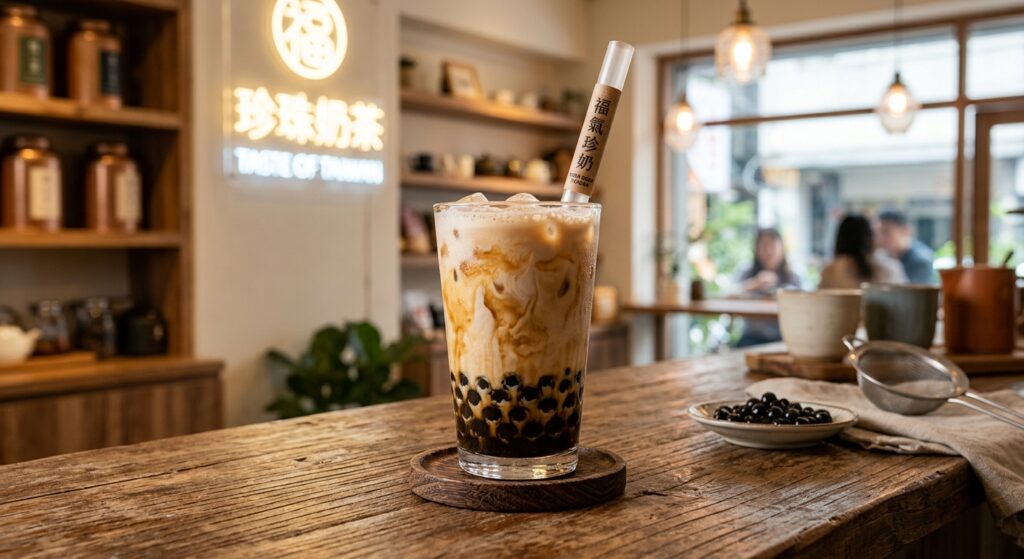
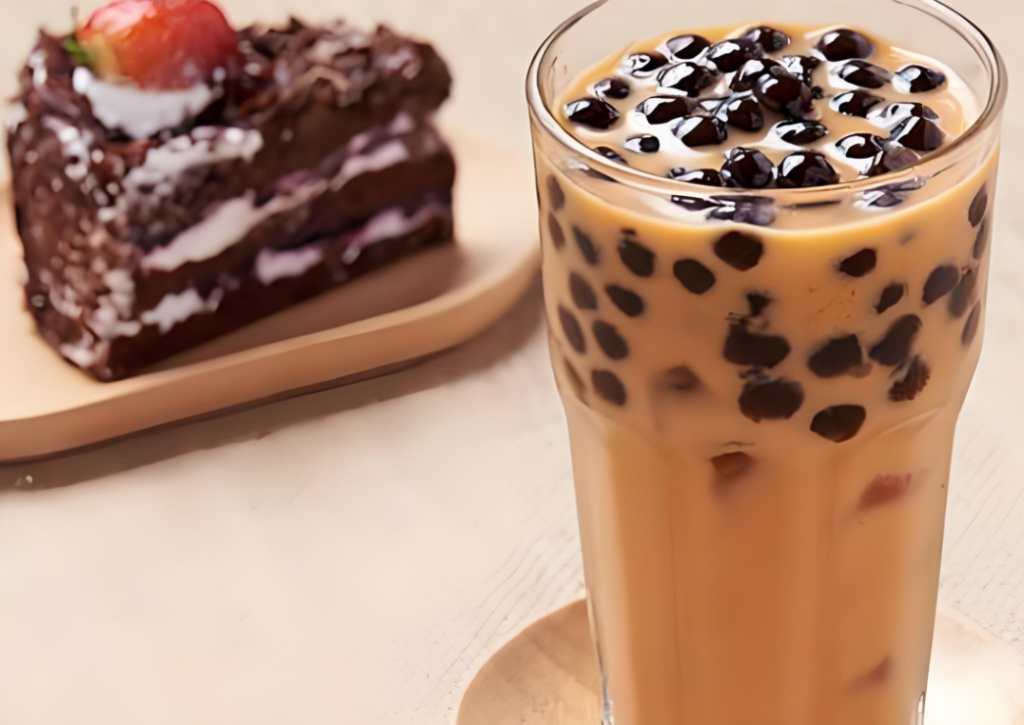
The single most famous milk tea in the world is Classic Taiwanese Pearl Milk Tea, universally known as Boba Milk Tea or Bubble Milk Tea. Originated in Taiwan during the 1980s, this iconic beverage combines deeply brewed black tea, silky non-dairy creamer or fresh milk, cane sugar syrup, and warm, chewy dark brown sugar tapioca pearls.
Today, bubble tea has transformed from a beloved Taiwanese street stall treat into a multi-billion-dollar global industry spanning North America, Europe, Southeast Asia, and beyond. While hundreds of inventive flavor variations line modern café menus, classic pearl milk tea remains the undisputed king of sales, representing over 70% of initial customer orders at boba shops worldwide.
Whether you are a lifelong boba enthusiast seeking to understand tea history or a beverage shop operator building a high-margin drink menu, this comprehensive guide explores the most famous milk tea varieties, their unique flavor profiles, essential ingredient standards, and standardized preparation techniques.
Why Classic Taiwanese Pearl Milk Tea Rules the World
To understand why classic pearl milk tea earned the global top spot, one must examine the harmony of its four foundational components. Unlike traditional hot British milk tea or iced sweet tea, Taiwanese boba milk tea is designed as a sensory experience that balances temperature, sweetness, tea astringency, and chewiness.
The Golden Four-Component Balance
The Tea Base: Authentic classic milk tea relies on a robust black tea base—typically a blend of Assam and Ceylon tea leaves. Assam provides a malty, full-bodied structure that punches through dairy, while Ceylon contributes bright floral notes and clean astringency.
The Dairy or Creamer System: Traditional Taiwanese boba shops rely on specially formulated non-dairy creamer powders. Creamer dissolves smoothly into hot brewed tea without watering down the beverage, delivering a velvety texture and enhancing tea aromatics.
The Sweetener: Liquid cane sugar or fructose syrup provides clean sweetness without masking subtle tea tannins.
The Tapioca Pearls (Boba): Slow-cooked cassava starch spheres infused with dark brown sugar syrup. The pearls sit warm at the bottom of the cold cup, creating a playful contrast in temperature and texture known in Taiwan as “Q” or “QQ” (the ideal bouncy, springy chewiness).
Key Takeaway: Classic Taiwanese Pearl Milk Tea is the world’s most famous milk tea because it satisfies both beverage and snack cravings simultaneously through its signature texture contrast.
According to historical records detailing Taiwanese bubble tea origin and history
, the addition of tapioca pearls to cold milk tea in Taichung and Tainan revolutionized Asian beverage culture, creating a template that modern beverage franchises continue to emulate.
The Top 8 Most Famous Milk Tea Varieties Ranked
While classic black pearl milk tea holds the crown, several regional and flavor variations have achieved massive international fame. Below is the definitive ranking of the top eight most popular milk tea drinks found on modern boba shop menus.
+-------------------------------------------------------------------------------+| TOP 8 FAMOUS MILK TEAS WORLDWIDE |+-------------------------------------------------------------------------------+| 1. Classic Taiwanese Pearl Milk Tea --> Bold Black Tea + Boba (The Original)|| 2. Brown Sugar Boba Milk Tea --> Tiger Stripes + Fresh Milk || 3. Taro Milk Tea --> Nutty Vanilla-Biscuit + Lilac Hue || 4. Thai Milk Tea (Cha Yen) --> Spiced Amber Tea + Condensed Milk || 5. Hong Kong Silk Stocking Milk Tea --> Heavy Ceylon Pull + Evaporated Milk || 6. Japanese Matcha Milk Tea --> Earthy Umami + Creamy Sweetness || 7. Jasmine Green Milk Tea --> Refreshing Floral Blossom || 8. Okinawa / Hokkaido Milk Tea --> Kokuto Dark Sugar & Roasted Malt |+-------------------------------------------------------------------------------+
1. Classic Black Pearl Milk Tea (The Original Icon)
Flavor Profile: Malty, rich, balanced sweetness with a lingering black tea finish.
Why It’s Famous: It is the foundation of the entire boba industry. Every boba shop’s reputation is judged first by the quality of its classic milk tea.
2. Brown Sugar Boba Milk Tea (Tiger Milk Tea)
Flavor Profile: Deep caramel, toasted molasses, rich creaminess with zero tea bitterness.
Key Ingredients: Brown sugar tapioca pearls, dark brown sugar syrup walling, cold fresh whole milk (often caffeine-free).
Why It’s Famous: Viral social media appeal. The warm, thick brown sugar syrup swirled against cold white milk creates dramatic “tiger stripes” down the sides of the cup.
3. Taro Milk Tea (Sweet, Nutty & Lilac-Hued)
Flavor Profile: Sweet, creamy, reminiscent of vanilla, toasted butter, and butterscotch biscuit.
Key Ingredients: Premium taro powder or real taro root puree, green or black tea base, creamer.
Why It’s Famous: The striking pastel purple/lilac color makes it instantly recognizable, making it one of the top three best-selling boba flavors in Western markets.
4. Thai Milk Tea (Cha Yen)
Flavor Profile: Strongly spiced, intensely sweet, creamy, with hints of star anise, orange blossom, and cardamom.
Why It’s Famous: Its vibrant bright orange color and rich dessert-like flavor profile have made it a staple across Southeast Asian restaurants and boba cafes worldwide.
5. Hong Kong-Style Silk Stocking Milk Tea
Flavor Profile: Extremely strong, astringent, velvety smooth with a rich milk fat mouthfeel.
Key Ingredients: Blended Ceylon tea dust and broken orange pekoe, pulled through a fine sack filter (“silk stocking”), mixed with unsweetened evaporated milk and sugar.
Why It’s Famous: Recognized as part of Hong Kong’s Intangible Cultural Heritage. It represents the pinnacle of traditional tea-pulling craftsmanship.
Key Ingredients: Ceremonial or culinary grade Japanese matcha powder, hot water whisk, fresh milk or oat milk, simple syrup.
Why It’s Famous: Appeals to health-conscious consumers looking for antioxidants and smooth, jitter-free energy from natural L-theanine.
7. Jasmine Green Milk Tea
Flavor Profile: Light, crisp, intensely floral with a clean, delicate finish.
Key Ingredients: Jasmine-scented green tea leaves, light creamer or fresh milk, fructose syrup.
Why It’s Famous: Offers a lighter, refreshing alternative to heavy black teas, serving as the perfect base for fruit-milk tea hybrids.
8. Okinawa & Hokkaido Brown Sugar Milk Teas
Flavor Profile: Okinawa features roasted, smoky Kokuto dark brown sugar; Hokkaido emphasizes rich, buttery dairy notes.
Key Ingredients: Roasted black tea, authentic Okinawa Kokuto sugar or Hokkaido milk powder system.
Why It’s Famous: Celebrated for their regional Japanese ingredient provenance and luxurious, comforting depth.
Essential Ingredients Behind the World’s Best Milk Teas
Creating high-performing milk teas requires a clear understanding of raw ingredient performance. Whether operating an independent shop or refining recipes at home, selecting the correct building blocks directly impacts taste consistency, shelf life, and profitability.
Pro Tip: Non-dairy creamer remains the preferred choice for commercial boba franchises because it dissolves at high temperatures, maintains stable flavor profiles across varying water hardness, and extends ambient hold times during busy shop hours.
Boba Shop Operator Guide: How to Monetize Famous Milk Tea Flavors
Offering the world’s most famous milk teas on your menu is only half the battle—the real secret to long-term success lies in standardized Standard Operating Procedures (SOPs), fast prep speed, and controlled cost-per-cup margins.
Standardized Tea Brewing Parameters (SOP)
To maintain flavor consistency across different employee shifts, establish precise steeping parameters:
Classic Black Tea Base:
Water-to-Tea Ratio: 1:30 (e.g., 100g loose black tea to 3,000ml water at 95°C / 203°F).
Steep Time: 10 minutes covered.
Post-Steep Handling: Strain tea leaves, add non-dairy creamer while hot (stirring until fully dissolved), then chill rapidly in an ice bath.
Jasmine Green Tea Base:
Water-to-Tea Ratio: 1:35 or 1:40 (water cooled to 80°C–85°C / 176°F–185°F to prevent bitterness).
Steep Time: 7–8 minutes covered.
For complete step-by-step beverage builds, shop owners can leverage proven top milk tea boba recipes
to train kitchen staff and optimize station workflows.
+-------------------------------------------------------------------------------+| CLASSIC BOBA MILK TEA PREP WORKFLOW (SOP) |+-------------------------------------------------------------------------------+| [STEP 1] Steep Black Tea at 95°C for 10 min --> Strain Leaves || [STEP 2] Whisk Non-Dairy Creamer into hot tea until smooth || [STEP 3] Chill tea base in ice bath to preserve aroma || [STEP 4] Scoop warm brown sugar boba (1.5–2 oz) into cup bottom || [STEP 5] Add fructose syrup + chilled milk tea base + ice in shaker cup || [STEP 6] Shake vigorously for 5 seconds to create signature froth & seal |+-------------------------------------------------------------------------------+
High-Margin Topping Pairings
Toppings are the primary engine for boosting Average Order Value (AOV). While tapioca pearls are standard, offering complementary toppings encourages customers to customize their drinks:
Chewy Tapioca Pearls: The mandatory default topping (+15–20% margin boost).
Egg Pudding: Silky, custard-like texture that pairs exceptionally well with Taro and Black Milk Tea.
Salted Cheese Foam: A savory, whipped cream cheese layer floated on top of green or oolong milk teas.
To explore additional international drink variations and regional operational notes, review our complete overview of global milk tea varieties and flavor profiles
.
Frequently Asked Questions (FAQ)
What is the difference between boba tea, bubble tea, and milk tea?
Milk tea refers broadly to any beverage combining brewed tea with milk or creamer. Bubble tea and boba tea are interchangeable terms for milk teas served cold with chewy toppings like tapioca pearls. “Bubble” originally referred to the frothy air bubbles created after shaking the drink in a cocktail shaker, though it is now synonymous with tapioca boba.
Which milk tea flavor is best for first-time drinkers?
Classic Black Pearl Milk Tea or Brown Sugar Boba Milk Tea are the best entry choices. Both offer approachable, dessert-like sweetness without overpowering herbal notes. For a lighter, floral option, Jasmine Green Milk Tea is ideal.
Does milk tea contain caffeine?
Yes, authentic milk teas prepared with real tea leaves (black, green, oolong, or Thai tea) contain caffeine—typically 30mg to 70mg per 16 oz serving. For customers seeking caffeine-free options, Brown Sugar Boba with fresh milk or herbal taro drinks provide delicious alternatives.
Should boba shops use fresh milk or non-dairy creamer?
Most successful commercial shops offer both. Non-dairy creamer provides the classic, rich Taiwanese boba texture and lower ingredient cost, while fresh milk or oat milk caters to health-conscious and dairy-free preferences as a premium upgrade (+ $0.50–$1.00).
Next Steps for Boba Shop Operators & Menu Developers
Mastering the world’s most famous milk tea requires high-quality, standardized raw materials that deliver consistent taste in every cup.
If you are opening a new boba concept, expanding a café menu, or refining existing recipes, sourcing reliable tea bases, tapioca pearls, and creamer systems is critical. Explore wholesale catalog solutions, request custom ingredient samples, or download standardized kitchen SOP guides directly through BubbleTeaSuppliers to elevate your beverage program today.