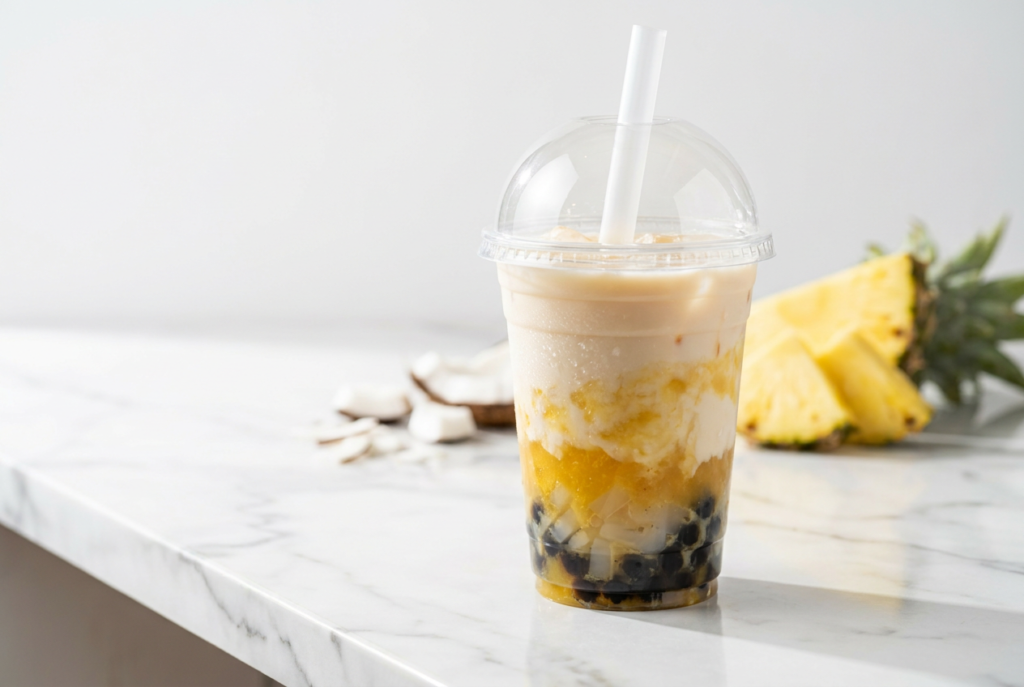
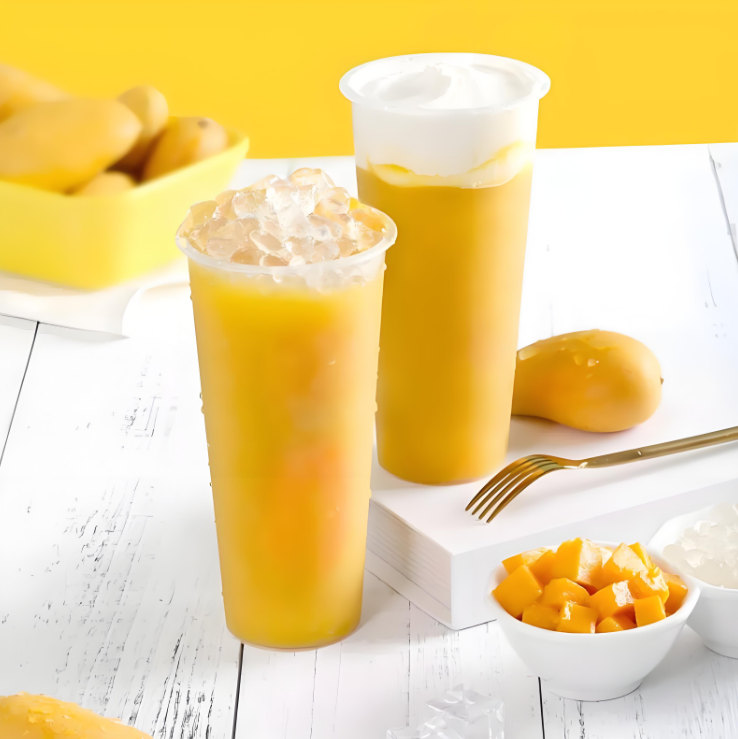
Summer menu expansion in commercial bubble tea shops relies heavily on high-margin, high-demand tropical flavor profiles. Among seasonal Limited Time Offers (LTOs), the Piña Colada profile—combining bright, acidic pineapple with rich, creamy coconut—consistently ranks as a top seller across US cafes and boba stores.
However, translating a traditional tropical cocktail into a fast-casual boba menu requires careful ingredient selection and standardized operational SOPs. Hand-crushing fresh fruit or using unstandardized syrups leads to slow ticket times, curdled dairy, and inconsistent drink quality across shifts.
This commercial guide provides complete Standard Operating Procedures (SOPs), 16 oz and 22 oz cup spec sheets, food chemistry insights, and cost-of-goods-sold (COGS) models for implementing a high-profit pina colada boba recipe (and piña colada boba tea series) in your shop.
Building the Tropical Base: Tea Chemistry & Ingredient Selection
Creating a successful commercial Piña Colada bubble tea line begins with understanding how tea tannins, fruit acidity, and fat emulsions interact in a cocktail shaker.
1. Tea Base Selection: Jasmine Green Tea vs. Oolong
While black tea can overpower delicate fruit notes, a light floral tea base elevates the tropical aroma:
Jasmine Green Tea (Recommended): Offers delicate floral top notes that cut through rich coconut cream without hiding the bright pineapple acidity. Steep at 75°C–80°C (167°F–176°F) for 7 minutes to prevent excessive tannin extraction.
Four Seasons Oolong: Provides a smooth, buttery finish with mild floral undertones, ideal for premium cream-topped variations.
2. Flavoring System: Pineapple Syrup vs. Jam
For consistent sweetness and rapid dispensing during peak rush hours:
Pineapple Fruit Syrup: Ideal for shaken milk teas and iced fruit teas. Ensures instant solubility, uniform color, and exact fructose pump dosing. Learn more about selecting optimal flavor systems in our guide to commercial fruit tea syrups.
Pineapple Jam / Crushed Fruit: Essential for slushies and layered drinks. Adds real fruit pulp and visual appeal against clear cup walls.
3. Coconut Fat Emulsion: Powder vs. Cream
Coconut is notorious for separation in cold drinks if not properly emulsified:
Non-Dairy Coconut Cream Powder: The gold standard for commercial boba shops. It dissolves rapidly in hot tea base, providing a silky texture and high shelf stability without requiring refrigeration before opening.
Cream of Coconut / Coconut Puree: Provides intense flavor but requires warm dissolving and thorough shaking to prevent oil droplets from floating to the surface. Review the differences in texture and operational handling in our fruit syrup vs. powder comparison.
Pro Tip: Always dissolve coconut powder in warm tea base (approx. 50°C–60°C) before adding ice. Adding cold ice directly to raw coconut powder creates unblended white clumps that clog wide boba straws.
The classic pina colada boba tea (or pina colada milk tea) balances a creamy coconut body with a vibrant tropical pineapple finish and traditional chewy tapioca pearls. Below is the standardized pina colada boba recipe for high-volume shop assembly.
Assembly Workflow
Add Topping (Tapioca Pearls) to Cup Bottom
Dissolve Coconut Powder in Hot Jasmine Green Tea
Add Pineapple Syrup & Liquid Fructose to Shaker
Fill Shaker with Ice, Shake 10–12 Seconds, Pour
Ingredient Specification Sheet (Shaken Milk Tea)
Ingredient / Step
16 oz Cup Spec
22 oz Cup Spec
Operational Notes
Bottom Topping
50g Cooked Tapioca Pearls
70g Cooked Tapioca Pearls
Hold pearls in warm brown sugar syrup
Jasmine Tea Base
150 ml (Warm, ~50°C)
200 ml (Warm, ~50°C)
7-minute steep batch
Coconut Powder
25g (1.5 scoops)
35g (2 scoops)
Whisk completely into warm tea
Pineapple Syrup
35 ml (1.5 pumps)
50 ml (2 pumps)
Standard commercial syrup pump
Liquid Fructose
10 ml (100% Sweet)
15 ml (100% Sweet)
Adjust for 50%/70% sweetness orders
Ice Cube Fill
180g (Fill line)
250g (Fill line)
Standard cubed ice
Step-by-Step Preparation SOP
Prep Cup: Scoop cooked tapioca pearls into the bottom of a clear cup.
Dissolve Base: In a 700 ml cocktail shaker, combine warm Jasmine Green Tea base and non-dairy coconut powder. Stir with a mini whisk for 5 seconds until smooth.
Flavor & Sweeten: Add pineapple syrup and liquid fructose according to customer sweetness level.
Chill & Shake: Fill shaker with ice to the 500 ml / 700 ml mark. Cap tightly and shake vigorously for 10–12 seconds until cold and frothy.
Pour & Seal: Pour contents over tapioca pearls in the cup. Seal with cup sealer machine or dome lid. Serve with a 12 mm wide straw.
Commercial SOP #2: Blended Piña Colada Boba Slush
A blended pina colada boba slush offers a thick, icy texture that commands a premium menu price during hot summer months.
Blender Workflow
Add Coconut Jelly to Serving Cup
Dose Liquids (Water, Syrup, Fructose) into Jar
Add Coconut Powder, Pineapple Jam, and Ice
Blend Cycle 2 target texture (Smooth 20s), Pour
Ingredient Specification Sheet (Blended Slush)
Ingredient / Step
16 oz Cup Spec
22 oz Cup Spec
Operational Notes
Bottom Topping
60g Coconut Jelly
80g Coconut Jelly
Drain excess syrup before scooping
Filtered Water / Light Tea
100 ml Cold Water
140 ml Cold Water
Keeps flavor clean and bright
Coconut Powder
30g (2 scoops)
42g (2.5 scoops)
High-fat content for smooth blend
Pineapple Jam / Syrup
45g Jam + 15 ml Syrup
60g Jam + 20 ml Syrup
Real fruit pieces create visual swirl
Liquid Fructose
15 ml
20 ml
Adjust to sweet preference
Solid Ice
220g
310g
Full ice scoop
Step-by-Step Preparation SOP
Prep Cup: Place translucent coconut jelly in the bottom of the cup.
Load Blender Jar: Measure cold water, coconut powder, pineapple jam, pineapple syrup, and liquid fructose directly into a commercial blender jar.
Add Ice: Add solid ice. Secure blender lid.
High-Speed Cycle: Run on Auto-Blend Cycle #2 (High speed, 20–22 seconds) until ice is completely micro-crushed into a velvety slush.
Layer & Pour: Pour blended slush directly over coconut jelly, creating a distinct visual layer. Garnish with a small spoonful of pineapple jam on top if serving with a dome lid.
For customers seeking a lighter, dairy-free alternative to traditional milk teas, this layered coconut pineapple boba fruit tea combines jasmine green tea, fruit syrup, and dual toppings for an eye-catching visual presentation.
Layered Workflow
Bottom Layer: Crystal Boba + Pineapple Jam
Middle Layer: Chilled Pineapple Jasmine Green Tea
Top Layer: Cream Cheese Foam / Coconut Milk Float
Ingredient Specification Sheet (Layered Fruit Tea)
Ingredient / Step
16 oz Cup Spec
22 oz Cup Spec
Operational Notes
Bottom Toppings
40g Crystal Boba + 20g Pineapple Jam
50g Crystal Boba + 30g Pineapple Jam
Layer at cup bottom
Chilled Jasmine Green Tea
200 ml
280 ml
Chilled to < 5°C
Pineapple Syrup
30 ml (1 pump)
45 ml (1.5 pumps)
Shaken with tea and ice
Liquid Fructose
10 ml
15 ml
Sweetness balance
Optional Top Layer
40 ml Salted Cheese Foam or Coconut Cream Float
60 ml Salted Cheese Foam or Coconut Cream Float
Slow float over ice using back of bar spoon
Step-by-Step Preparation SOP
Build Base: Layer crystal boba and crushed pineapple jam at the bottom of the cup.
Mix Fruit Tea: In a cocktail shaker, mix chilled Jasmine Green Tea base, pineapple syrup, fructose, and ice. Shake briefly (6 seconds) to chill and combine.
Pour & Float: Strain chilled fruit tea into serving cup over ice. Gently float cheese foam or coconut cream float over top for a dual-tone visual effect. For additional seasonal inspiration, review our commercial pineapple fruit tea SOP.
Pro Tip: Crystal boba (agar-based) retains its crisp, snappy bite in cold, acidic fruit teas, whereas tapioca pearls can harden if left in cold acidic fruit tea for extended periods.
Profit Margin Analysis & COGS Breakdown
A primary advantage of adding a tropical boba tea menu item like Piña Colada is its exceptional gross margin profile. Below is a representative cost breakdown for a 16 oz cup served in a US commercial boba store:
Cost-of-Goods-Sold (COGS) Model (16 oz Shaken Milk Tea)
Item / Ingredient
Usage Quantity
Cost per Unit ($)
Total Item Cost ($)
Jasmine Green Tea Base
150 ml
$0.0006 / ml
$0.09
Non-Dairy Coconut Powder
25g
$0.008 / g
$0.20
Pineapple Fruit Syrup
35 ml
$0.007 / ml
$0.25
Liquid Fructose
10 ml
$0.003 / ml
$0.03
Tapioca Pearls (Cooked)
50g
$0.003 / g
$0.15
Custom Clear Cup + Sealer Film + Straw
1 set
$0.22 / set
$0.22
Ice & Filtered Water
–
–
$0.02
Total Drink COGS
–
–
$0.96
Average Retail Price: $5.75 – $6.50
Gross Profit per Cup: $4.79 – $5.54
Gross Profit Margin: 83.3% – 85.2%
Adding premium add-ons—such as coconut jelly ($0.18 COGS, $0.75 retail upsell) or crystal boba ($0.22 COGS, $1.00 retail upsell)—further increases Average Order Value (AOV) while maintaining drink assembly speed.
1-Gallon Batch Prep SOP for Peak Rush Hours
To handle high-volume weekend rushes without slowing down the bar line, pre-batching the liquid Piña Colada base allows baristas to pour, shake, and serve in under 30 seconds.
1-Gallon Batch Formula (Yields approx. 22–24 servings of 16 oz drinks)
1-Gallon Batch Formula • 2,400 ml Hot Jasmine Green Tea Base (80°C) • 450g Non-Dairy Coconut Cream Powder • 600 ml Commercial Pineapple Syrup • 180 ml Liquid Fructose
Batch Mixing Instructions
Brew 2,400 ml of fresh Jasmine Green Tea base.
While hot, gradually add 450g of Coconut Cream Powder while stirring with a stainless steel wire whisk until completely dissolved.
Pour in 600 ml of Pineapple Syrup and 180 ml Liquid Fructose. Stir thoroughly.
Transfer container to an ice bath until chilled below 10°C (50°F), then store in commercial refrigeration (2°C–4°C).
Shelf Life: 24 hours under refrigeration. Whisk briefly before dispensing during service.
Quick Barista Pouring SOP (16 oz Cup using Pre-Batch)
Scoop 50g tapioca pearls into cup.
Pour 180 ml chilled Pre-Batch base into cocktail shaker.
Add 180g ice, shake 8 seconds, pour into cup, and seal. Total ticket assembly time: 25 seconds.
How do I prevent coconut milk or powder from separating in cold drinks?
Separation occurs when fat globules cool down too quickly without proper emulsion. Always dissolve coconut powder in warm liquid (50°C–60°C) before adding ice. If using coconut milk liquid, ensure it is thoroughly shaken with tea base in a high-speed cocktail shaker to create a stable suspension.
What is the best topping pairing for Piña Colada drinks?
For Milk Teas: Traditional brown sugar tapioca pearls or coconut jelly.
For Slushies: Coconut jelly or pineapple popping boba.
For Fruit Teas: Crystal boba (agar boba) or aloe vera cubes.
How do I adjust sweetness for customer sweet-level requests?
Train baristas using standardized fructose dispenser settings:
100% Sweet: Full fructose dose (10 ml for 16 oz / 15 ml for 22 oz).
70% Sweet (Less Sweet): 7 ml for 16 oz / 10 ml for 22 oz.
50% Sweet (Half Sweet): 5 ml for 16 oz / 7 ml for 22 oz.
30% Sweet (Light Sweet): 3 ml for 16 oz / 4 ml for 22 oz.
Streamline Your Summer Menu with Wholesale B2B Ingredient Kits
Launching a seasonal LTO should be seamless, consistent, and highly profitable for your store. At BubbleTeaSuppliers, we supply premium, barista-grade wholesale boba ingredients engineered specifically for high-volume commercial shop operations.
From high-solubility coconut powders and concentrated pineapple fruit syrups to premium jasmine tea bases and ready-to-serve crystal boba, our wholesale catalog helps you achieve exact cup consistency and maximum profit margins.
Ready to launch your tropical summer menu?
Request wholesale sample kits for your store.
Download full recipe spec sheets and barista training cards.
Explore bulk pricing on tea powders, syrups, and toppings.
Visit BubbleTeaSuppliers.com today to connect with a commercial beverage specialist and request your wholesale sample pack.